Key takeaways
- Nasal CPAP should run at PEEP 5-8 cmH2O with gas temperature 37°C and 100% relative humidity (44 mg H2O/L), and prongs or mask should be alternated every 4-12 hours to prevent nasal septal trauma.
- NIPPV settings are PIP 14-25 cmH2O, PEEP 5-7 cmH2O, rate 20-40 bpm, and Ti 0.3-0.5 sec, and it reduces extubation failure rate compared to nCPAP.
- Endotracheal suctioning should not use routine saline instillation, should use shallow depth (ETT length + 1 cm), pressures of 80-100 mmHg (60-80 mmHg in ELBW), and passes limited to 5-10 seconds with a closed suctioning system preferred.
- Poractant alfa (Curosurf) is dosed at 200 mg/kg (2.5 mL/kg) initially with repeat doses of 100 mg/kg (1.25 mL/kg) every 12 hours up to 2 repeat doses, and endotracheal suctioning should be withheld for 1 to 6 hours after surfactant instillation.
- Extubation readiness requires pH >7.25, PaCO2 <55-60 mmHg, PaO2 >50-70 mmHg on FiO2 ≤0.30-0.35, MAP ≤7-8 cmH2O, PIP ≤16-18 cmH2O, and rate ≤15-20 bpm, with caffeine citrate 20 mg/kg IV loading dose given prior to extubation in infants <1,250 g.
References
- [1]
- [2]
- [3]
- [4]
- [5]
- [6]
- [7]
- From Kattwinkel J, ed: Neonatal Resuscitation Textbook. 5th ed. Elk Grove Village, IL, American Academy of Pediatrics and the American Heart Association, 2006. Used with permission of the American Academy of Pediatrics.
- [1] DiBlasi RM. Respiratory Care of the Newborn: Positive-Pressure Ventilation and Manual Resuscitators. In: Restrepo RD, ed. Bedside Care, Nutritional and Pharmacologic Support. Chapter 29; 363-365.
- [2] American Academy of Pediatrics & American Heart Association. Endotracheal Intubation Equipment and Tube Selection Criteria. In: Textbook of Neonatal Resuscitation (NRP), 8th Edition. Elk Grove Village, IL; 366-368.
- [3] Keszler M. Noninvasive Ventilation and Continuous Positive Airway Pressure Support in the Newborn. Pediatr Pulmonol. 2019; Chapter 29; 369-372.
- [4] Cosselman M, et al. Humidification and Warming During Respiratory Support in Neonatal Intensive Care. Respir Care. 2020; Chapter 29; 372-374.
- [5] Hodge D, Ragedale R, Fletcher J, MacDonald H. Endotracheal Suctioning Protocols and Chest Physiotherapy Contraindications in Newborns. Neonatal Netw / J Pediatr Nurs; Chapter 29; 374-378.
- [6] Cloherty JP, Eichenwald EC, Hansen AR, Stark AR. Surfactant Replacement Therapy Preparations, Dosage, and LISA Protocols. In: Manual of Neonatal Care, 8th Edition. Lippincott Williams & Wilkins; Chapter 29; 378-380.
- [7] DiBlasi RM. Neonatal Aerosol Therapy and Comparison of Aerosol Generators in Mechanical Ventilation. Respir Care. 2021;66(6):958-975; Chapter 29; 380-383.
- (From Chatburn RL: Principles and practice of neonatal and pediatric mechanical ventilation. Respir Care 36:560, 1991.)
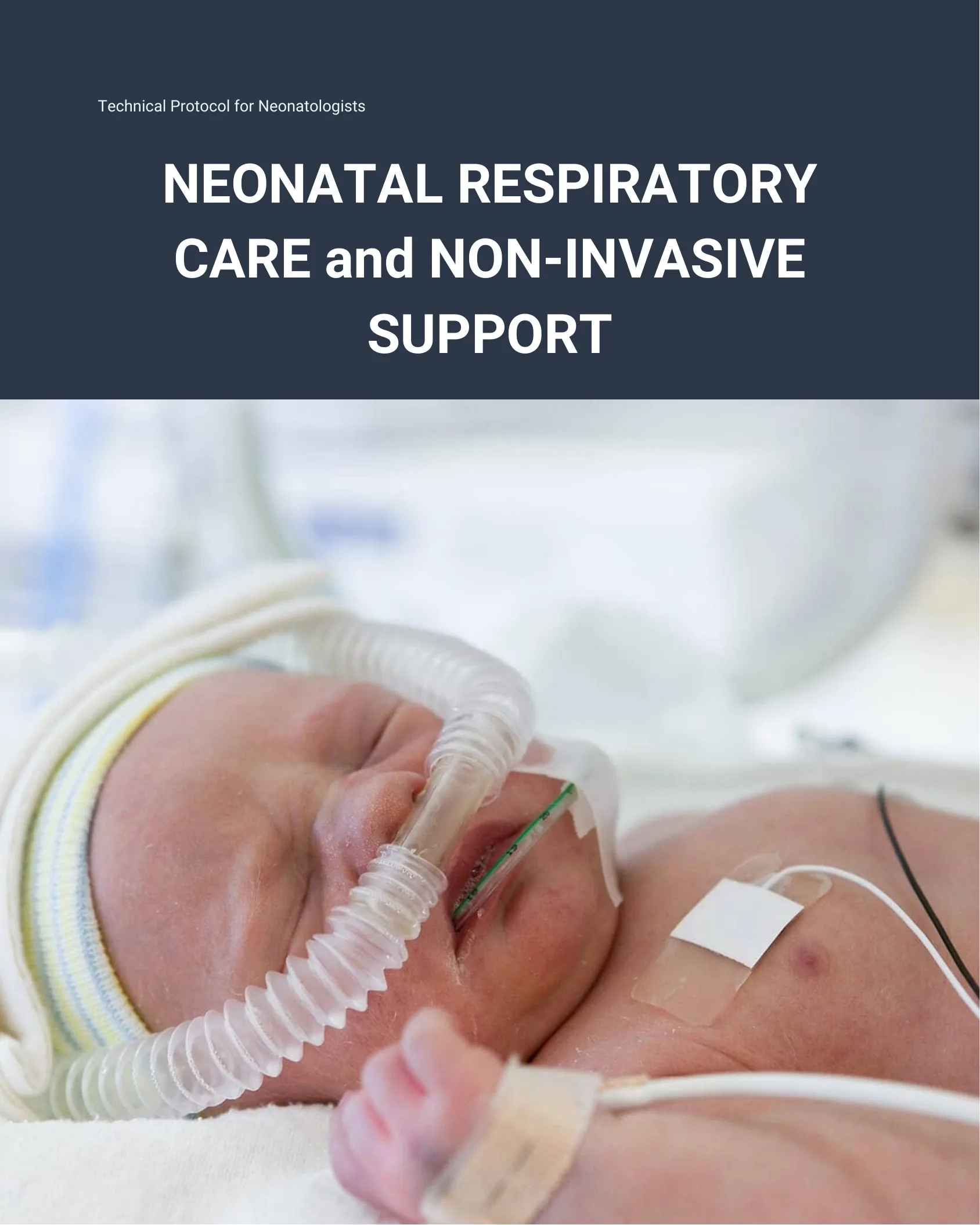
Technical Protocol for Neonatologists
NEONATAL RESPIRATORY CARE and NON-INVASIVE SUPPORT
1. Non-Invasive Respiratory Support Interfaces & Indications
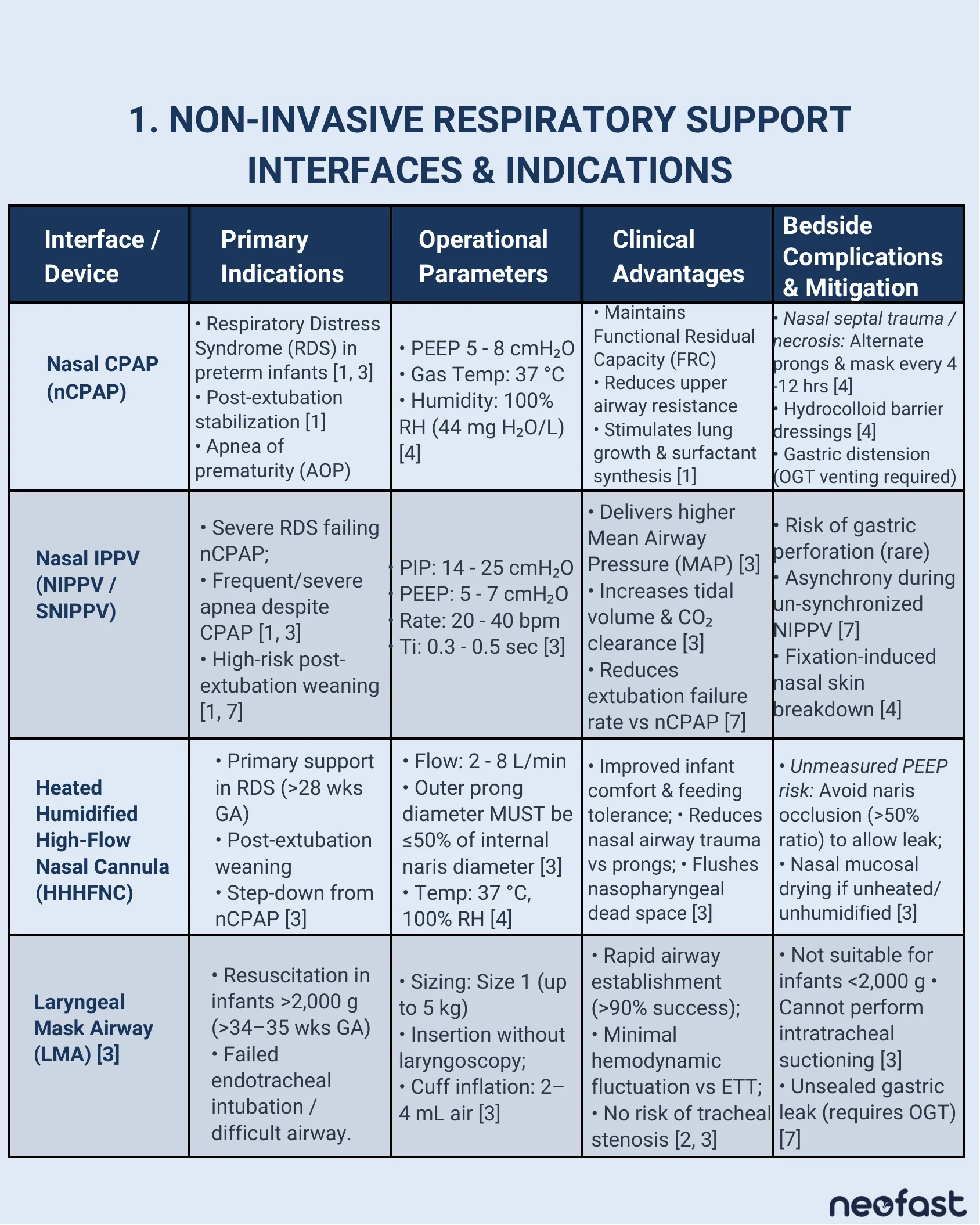
1. Non-Invasive Respiratory Support Interfaces & Indications
| Interface / Device | Primary Indications | Operational Parameters | Clinical Advantages | Bedside Complications & Mitigation |
|---|---|---|---|---|
| Nasal CPAP (nCPAP) | • Respiratory Distress Syndrome (RDS) in preterm infants [1, 3] • Post-extubation stabilization [1] • Apnea of prematurity (AOP) | • PEEP 5 – 8 cmH₂O • Gas Temp: 37 °C • Humidity: 100% RH (44 mg H₂O/L) [4] | • Maintains Functional Residual Capacity (FRC) • Reduces upper airway resistance • Stimulates lung growth & surfactant synthesis [1] | Nasal septal trauma / necrosis: Alternate prongs & mask every 4-12 hrs [4] • Hydrocolloid barrier dressings [4] • Gastric distension (OGT venting required) |
| Nasal IPPV (NIPPV / SNIPPV) | • Severe RDS failing nCPAP; • Frequent/severe apnea despite CPAP [1, 3] • High-risk post-extubation weaning [1, 7] | • PIP: 14 – 25 cmH₂O • PEEP: 5 – 7 cmH₂O • Rate: 20 – 40 bpm • Ti: 0.3 – 0.5 sec [3] | • Delivers higher Mean Airway Pressure (MAP) [3] • Increases tidal volume & CO₂ clearance [3] • Reduces extubation failure rate vs nCPAP [7] | • Risk of gastric perforation (rare) • Asynchrony during un-synchronized NIPPV [7] • Fixation-induced nasal skin breakdown [4] |
| Heated Humidified High-Flow Nasal Cannula (HHHFNC) | • Primary support in RDS (>28 wks GA) • Post-extubation weaning • Step-down from nCPAP [3] | • Flow: 2 – 8 L/min • Outer prong diameter MUST be ≤50% of internal naris diameter [3] • Temp: 37 °C, 100% RH [4] | • Improved infant comfort & feeding tolerance; • Reduces nasal airway trauma vs prongs; • Flushes nasopharyngeal dead space [3] | Unmeasured PEEP risk: Avoid naris occlusion (>50% ratio) to allow leak; • Nasal mucosal drying if unheated/unhumidified [3] |
| Laryngeal Mask Airway (LMA) [3] | • Resuscitation in infants >2,000 g (>34–35 wks GA) • Failed endotracheal intubation / difficult airway. | • Sizing: Size 1 (up to 5 kg) • Insertion without laryngoscopy; • Cuff inflation: 2–4 mL air [3] | • Rapid airway establishment (>90% success); • Minimal hemodynamic fluctuation vs ETT; • No risk of tracheal stenosis [2, 3] | • Not suitable for infants <2,000 g • Cannot perform intratracheal suctioning [3] • Unsealed gastric leak (requires OGT) [7] |
2. Airway Equipment Selection & Intubation Sizing Protocols
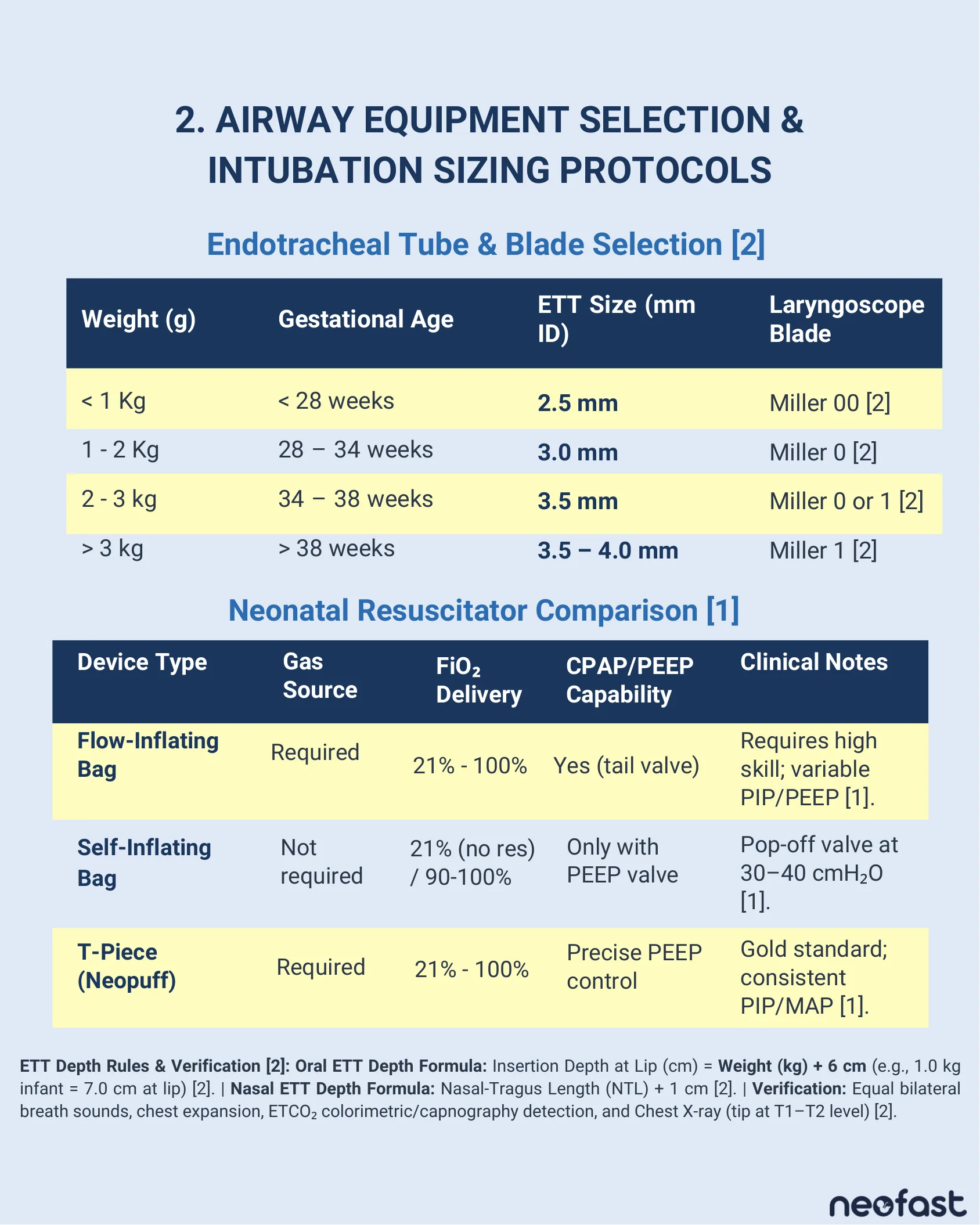
2. Airway Equipment Selection & Intubation Sizing Protocols
Endotracheal Tube & Blade Selection [2]
| Weight (g) | Gestational Age | ETT Size (mm ID) | Laryngoscope Blade |
|---|---|---|---|
| < 1 Kg | < 28 weeks | 2.5 mm | Miller 00 [2] |
| 1 – 2 Kg | 28 – 34 weeks | 3.0 mm | Miller 0 [2] |
| 2 – 3 kg | 34 – 38 weeks | 3.5 mm | Miller 0 or 1 [2] |
| > 3 kg | > 38 weeks | 3.5 – 4.0 mm | Miller 1 [2] |
Neonatal Resuscitator Comparison [1]
| Device Type | Gas Source | FiO₂ Delivery | CPAP/PEEP Capability | Clinical Notes |
|---|---|---|---|---|
| Flow-Inflating Bag | Required | 21% – 100% | Yes (tail valve) | Requires high skill; variable PIP/PEEP [1]. |
| Self-Inflating Bag | Not required | 21% (no res) / 90-100% | Only with PEEP valve | Pop-off valve at 30–40 cmH₂O [1]. |
| T-Piece (Neopuff) | Required | 21% – 100% | Precise PEEP control | Gold standard; consistent PIP/MAP [1]. |
ETT Depth Rules & Verification [2]: Oral ETT Depth Formula: Insertion Depth at Lip (cm) = Weight (kg) + 6 cm (e.g., 1.0 kg infant = 7.0 cm at lip) [2]. | Nasal ETT Depth Formula: Nasal-Tragus Length (NTL) + 1 cm [2]. | Verification: Equal bilateral breath sounds, chest expansion, ETCO₂ colorimetric/capnography detection, and Chest X-ray (tip at T1–T2 level) [2].
Endotracheal Tube Anatomy & Suction Catheter Sizing
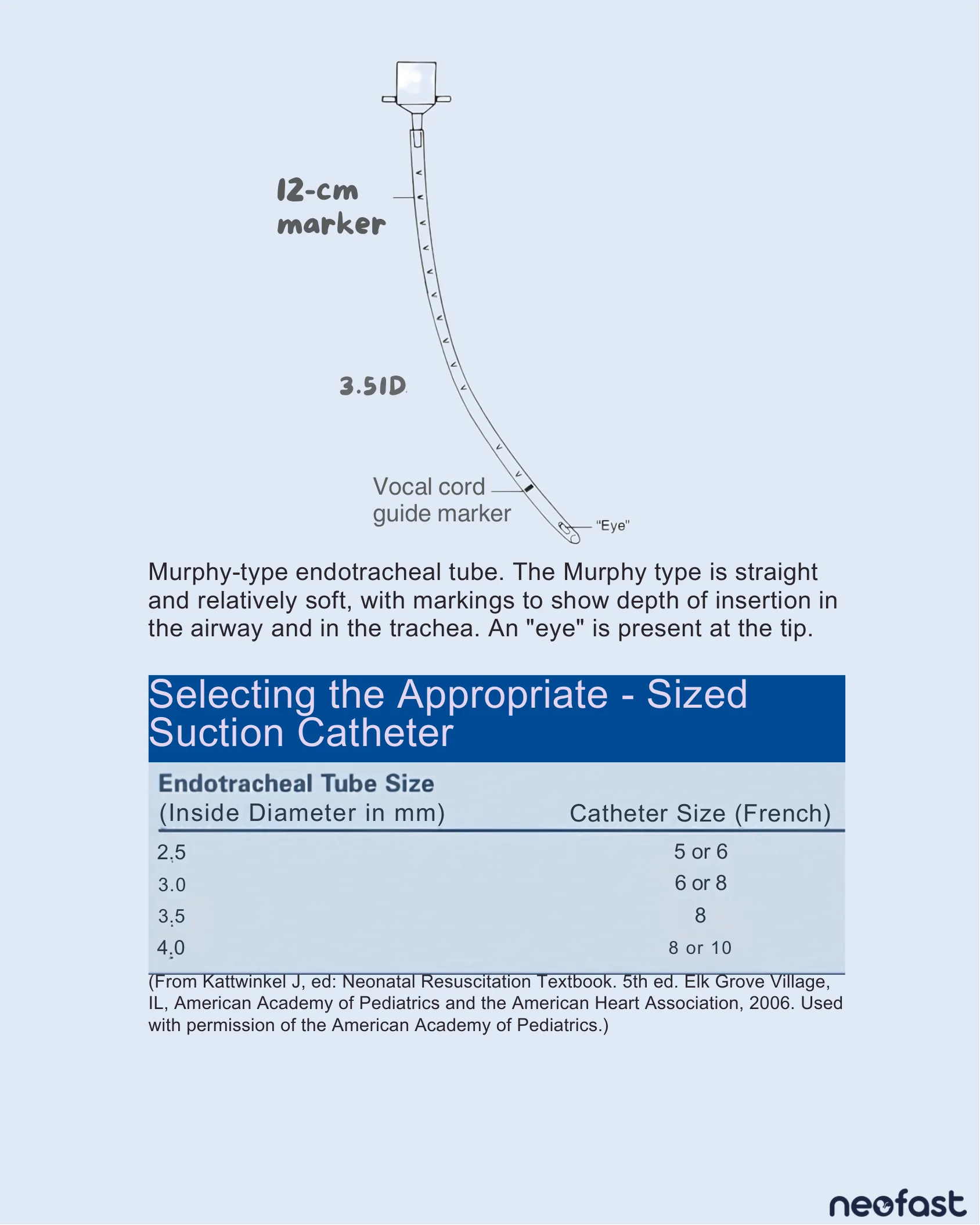
Endotracheal Tube Anatomy & Suction Catheter Sizing
Murphy-type endotracheal tube. The Murphy type is straight and relatively soft, with markings to show depth of insertion in the airway and in the trachea. An “eye” is present at the tip.
- 12-cm marker
- 3.5 ID
- Vocal cord guide marker
- “Eye” at tip
Selecting the Appropriate-Sized Suction Catheter
| Endotracheal Tube Size (Inside Diameter in mm) | Catheter Size (French) |
|---|---|
| 2.5 | 5 or 6 |
| 3.0 | 6 or 8 |
| 3.5 | 8 |
| 4.0 | 8 or 10 |
(From Kattwinkel J, ed: Neonatal Resuscitation Textbook. 5th ed. Elk Grove Village, IL, American Academy of Pediatrics and the American Heart Association, 2006. Used with permission of the American Academy of Pediatrics.)
3. Endotracheal Suctioning Protocols & Closed Systems
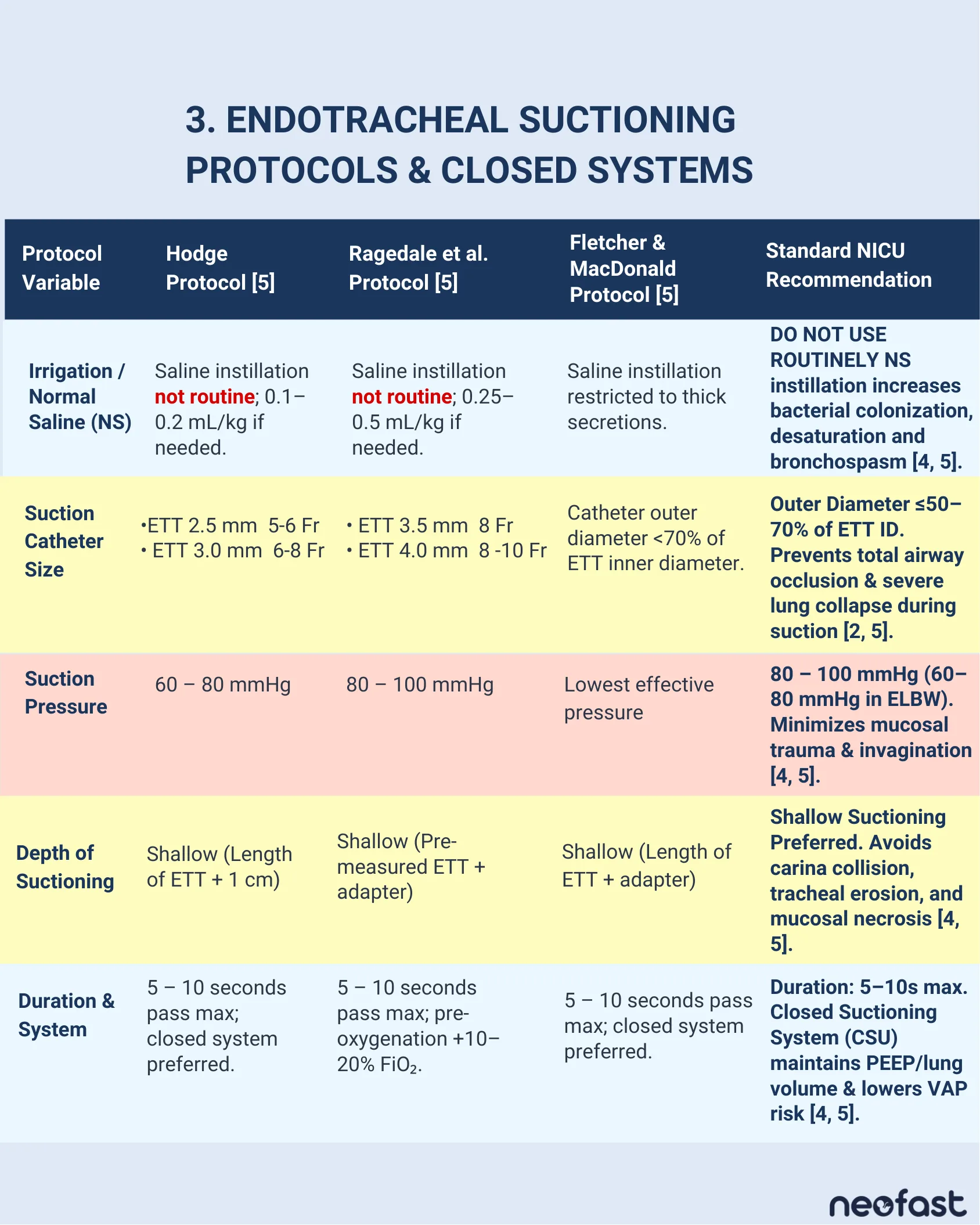
3. Endotracheal Suctioning Protocols & Closed Systems
| Protocol Variable | Hodge Protocol [5] | Ragedale et al. Protocol [5] | Fletcher & MacDonald Protocol [5] | Standard NICU Recommendation |
|---|---|---|---|---|
| Irrigation / Normal Saline (NS) | Saline instillation not routine; 0.1–0.2 mL/kg if needed. | Saline instillation not routine; 0.25–0.5 mL/kg if needed. | Saline instillation restricted to thick secretions. | DO NOT USE ROUTINELY NS instillation increases bacterial colonization, desaturation and bronchospasm [4, 5]. |
| Suction Catheter Size | • ETT 2.5 mm → 5-6 Fr • ETT 3.0 mm → 6-8 Fr | • ETT 3.5 mm → 8 Fr • ETT 4.0 mm → 8-10 Fr | Catheter outer diameter <70% of ETT inner diameter. | Outer Diameter ≤50–70% of ETT ID. Prevents total airway occlusion & severe lung collapse during suction [2, 5]. |
| Suction Pressure | 60 – 80 mmHg | 80 – 100 mmHg | Lowest effective pressure | 80 – 100 mmHg (60–80 mmHg in ELBW). Minimizes mucosal trauma & invagination [4, 5]. |
| Depth of Suctioning | Shallow (Length of ETT + 1 cm) | Shallow (Pre-measured ETT + adapter) | Shallow (Length of ETT + adapter) | Shallow Suctioning Preferred. Avoids carina collision, tracheal erosion, and mucosal necrosis [4, 5]. |
| Duration & System | 5 – 10 seconds pass max; closed system preferred. | 5 – 10 seconds pass max; pre-oxygenation +10–20% FiO₂. | 5 – 10 seconds pass max; closed system preferred. | Duration: 5–10s max. Closed Suctioning System (CSU) maintains PEEP/lung volume & lowers VAP risk [4, 5]. |
4. Surfactant Replacement Therapy & Administration Protocols
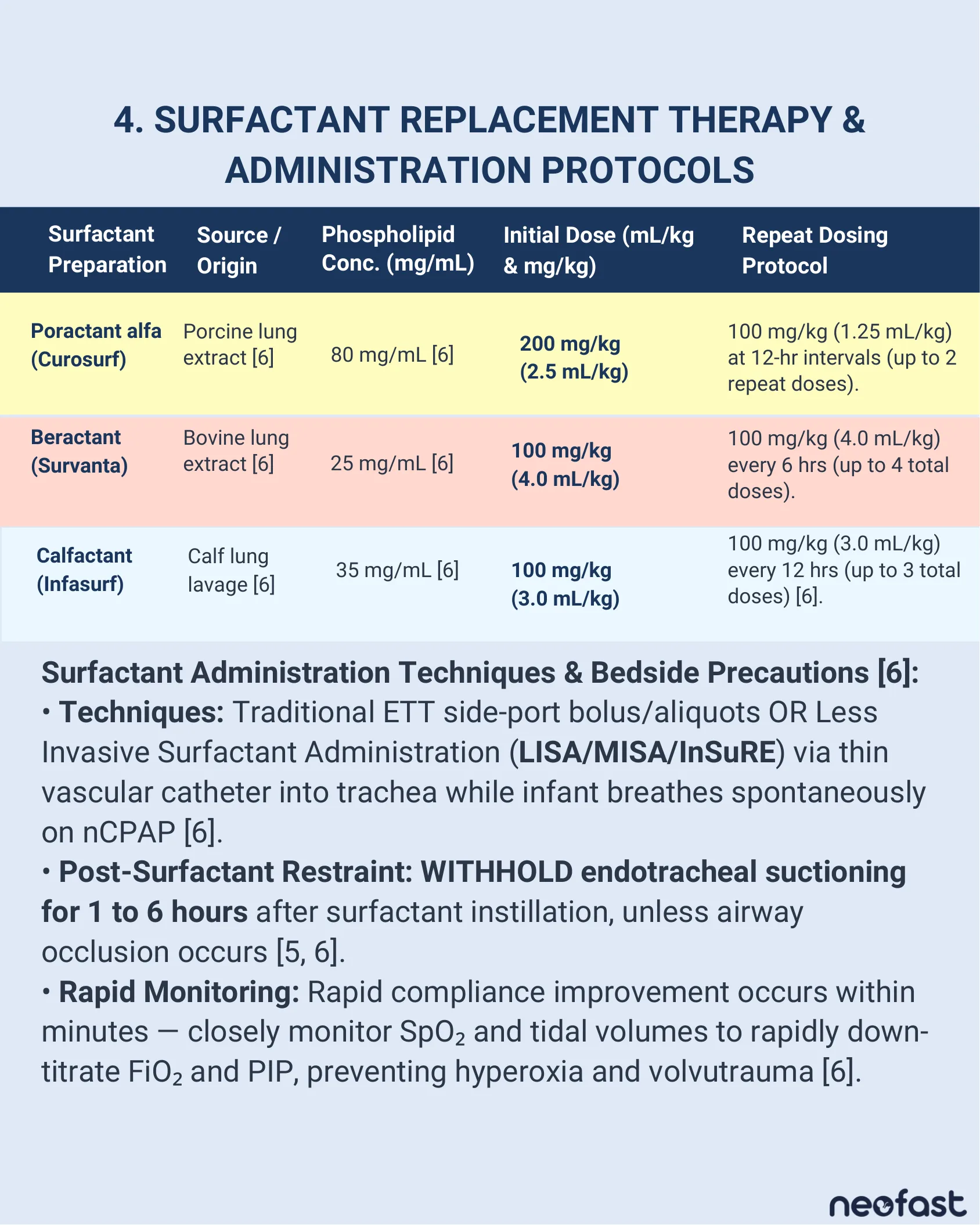
4. Surfactant Replacement Therapy & Administration Protocols
| Surfactant Preparation | Source / Origin | Phospholipid Conc. (mg/mL) | Initial Dose (mL/kg & mg/kg) | Repeat Dosing Protocol |
|---|---|---|---|---|
| Poractant alfa (Curosurf) | Porcine lung extract [6] | 80 mg/mL [6] | 200 mg/kg (2.5 mL/kg) | 100 mg/kg (1.25 mL/kg) at 12-hr intervals (up to 2 repeat doses). |
| Beractant (Survanta) | Bovine lung extract [6] | 25 mg/mL [6] | 100 mg/kg (4.0 mL/kg) | 100 mg/kg (4.0 mL/kg) every 6 hrs (up to 4 total doses). |
| Calfactant (Infasurf) | Calf lung lavage [6] | 35 mg/mL [6] | 100 mg/kg (3.0 mL/kg) | 100 mg/kg (3.0 mL/kg) every 12 hrs (up to 3 total doses) [6]. |
Surfactant Administration Techniques & Bedside Precautions [6]:
- Techniques: Traditional ETT side-port bolus/aliquots OR Less Invasive Surfactant Administration (LISA/MISA/InSuRE) via thin vascular catheter into trachea while infant breathes spontaneously on nCPAP [6].
- Post-Surfactant Restraint: WITHHOLD endotracheal suctioning for 1 to 6 hours after surfactant instillation, unless airway occlusion occurs [5, 6].
- Rapid Monitoring: Rapid compliance improvement occurs within minutes — closely monitor SpO₂ and tidal volumes to rapidly down-titrate FiO₂ and PIP, preventing hyperoxia and volvutrauma [6].
Surfactant Dose Calculator App Interface
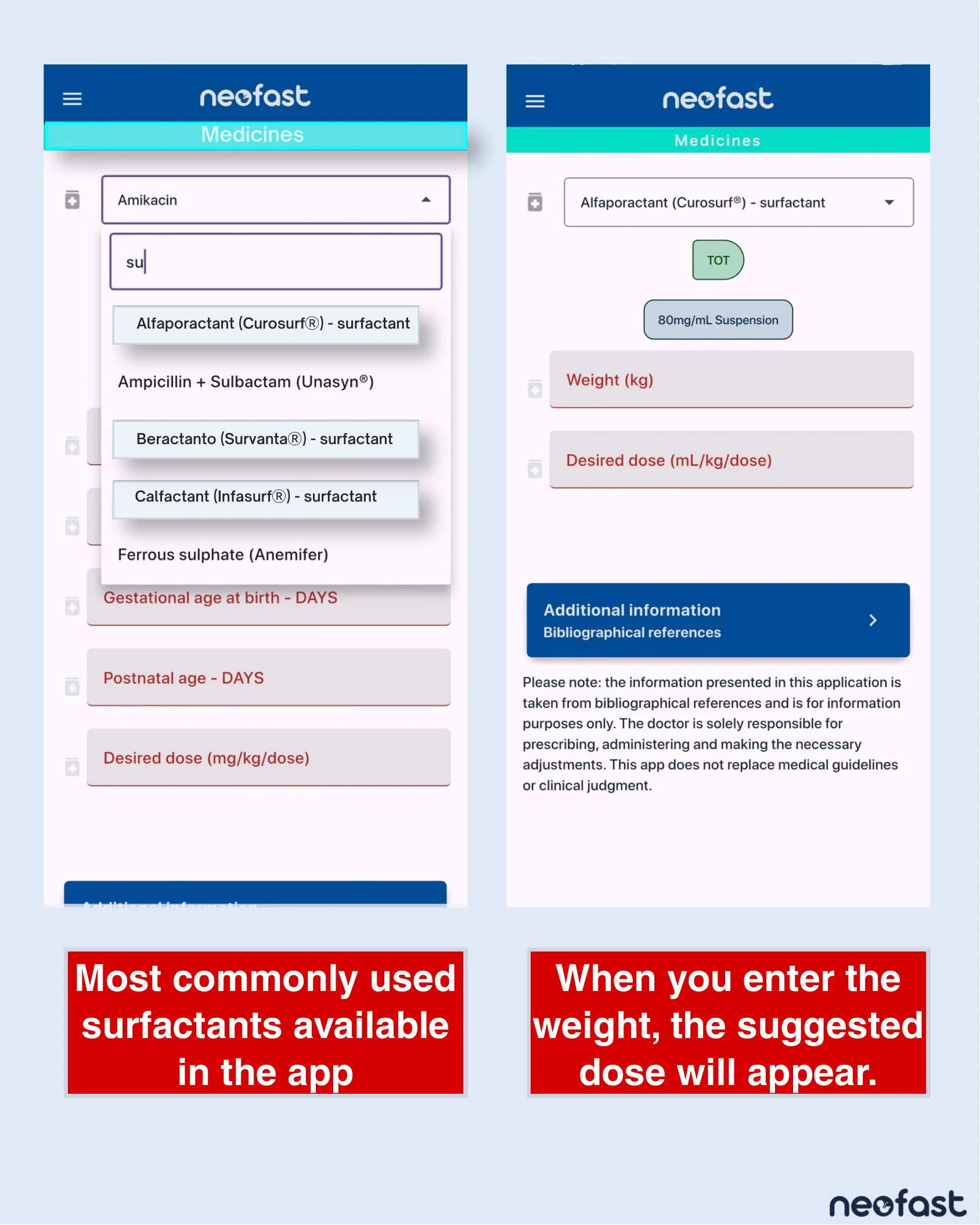
Surfactant Dose Calculator App Interface
Most commonly used surfactants available in the app
- Amikacin (search field showing “su”)
- Alfaporactant (Curosurf®) – surfactant
- Ampicillin + Sulbactam (Unasyn®)
- Beractanto (Survanta®) – surfactant
- Calfactant (Infasurf®) – surfactant
- Ferrous sulphate (Anemifer)
- Gestational age at birth – DAYS
- Postnatal age – DAYS
- Desired dose (mg/kg/dose)
- Additional information / Bibliographical references
When you enter the weight, the suggested dose will appear.
- Alfaporactant (Curosurf®) – surfactant
- TOT — 80mg/mL Suspension
- Weight (kg)
- Desired dose (mL/kg/dose)
- Additional information / Bibliographical references
Please note: the information presented in this application is taken from bibliographical references and is for information purposes only. The doctor is solely responsible for prescribing, administering and making the necessary adjustments. This app does not replace medical guidelines or clinical judgment.
Surfactant Dose Calculator: Beractant & Calfactant Examples
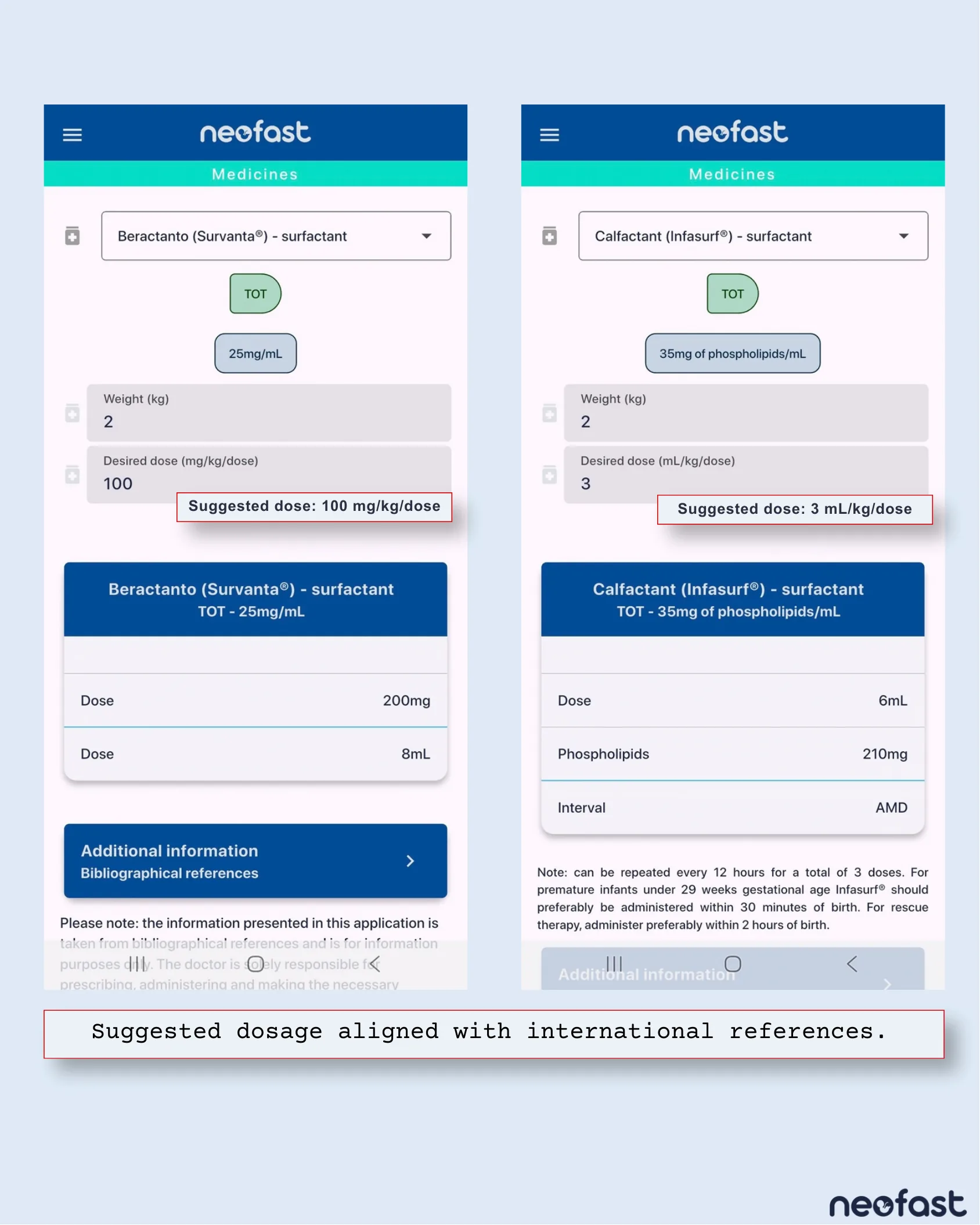
Surfactant Dose Calculator: Beractant & Calfactant Examples
- Beractanto (Survanta®) – surfactant
- TOT — 25mg/mL
- Weight (kg): 2
- Desired dose (mg/kg/dose): 100
- Suggested dose: 100 mg/kg/dose
- Dose: 200mg
- Dose: 8mL
- Calfactant (Infasurf®) – surfactant
- TOT — 35mg of phospholipids/mL
- Weight (kg): 2
- Desired dose (mL/kg/dose): 3
- Suggested dose: 3 mL/kg/dose
- Dose: 6mL
- Phospholipids: 210mg
- Interval: AMD
Note: can be repeated every 12 hours for a total of 3 doses. For premature infants under 29 weeks gestational age Infasurf® should preferably be administered within 30 minutes of birth. For rescue therapy, administer preferably within 2 hours of birth.
Suggested dosage aligned with international references.
Medicines – Surfactant Dose Calculator
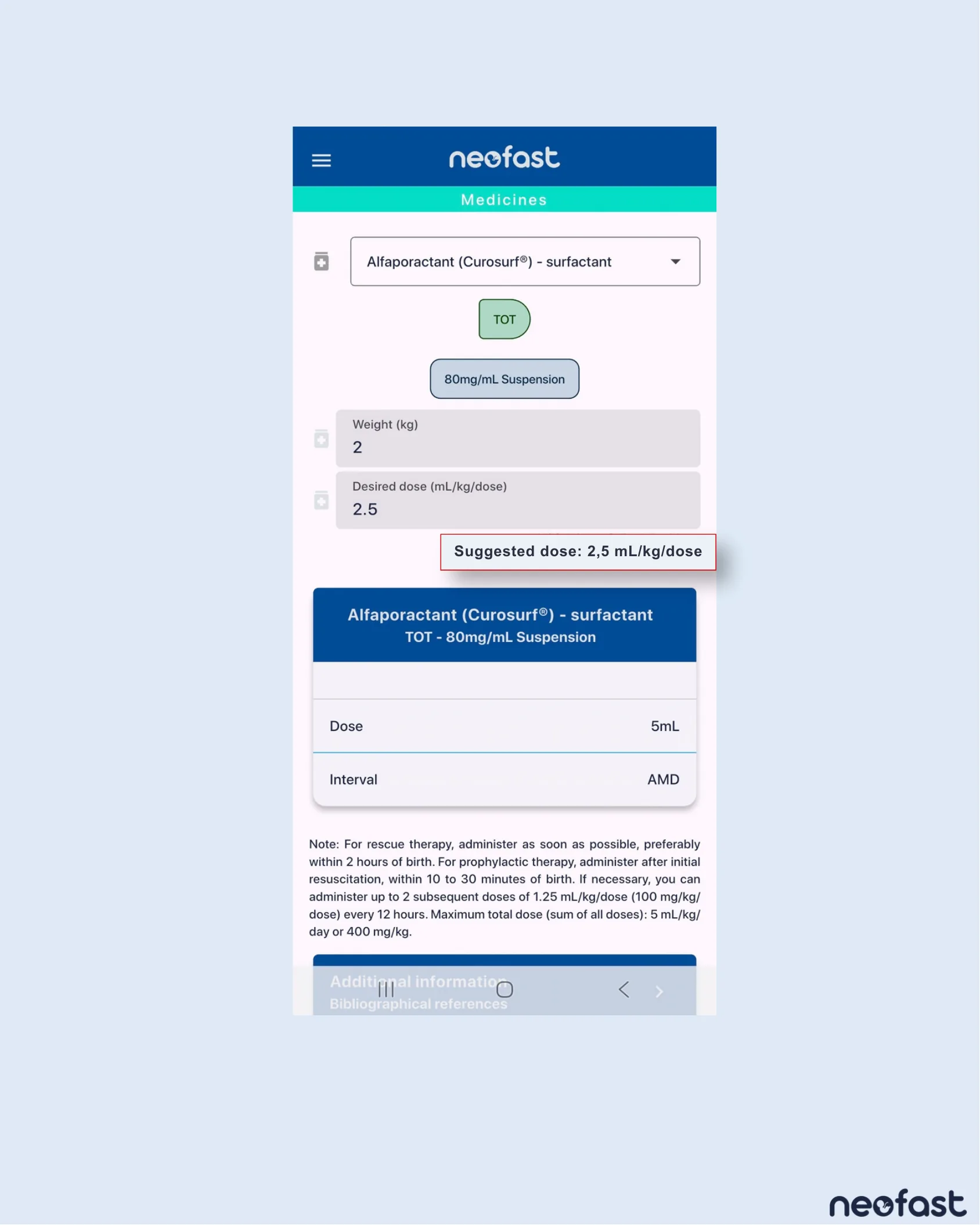
Medicines
Alfaporactant (Curosurf®) – surfactant
- Route: TOT
- Concentration: 80mg/mL Suspension
| Parameter | Value |
|---|---|
| Weight (kg) | 2 |
| Desired dose (mL/kg/dose) | 2.5 |
Suggested dose: 2,5 mL/kg/dose
Alfaporactant (Curosurf®) – surfactant
TOT – 80mg/mL Suspension
| Dose | 5mL |
|---|---|
| Interval | AMD |
Note: For rescue therapy, administer as soon as possible, preferably within 2 hours of birth. For prophylactic therapy, administer after initial resuscitation, within 10 to 30 minutes of birth. If necessary, you can administer up to 2 subsequent doses of 1.25 mL/kg/dose (100 mg/kg/dose) every 12 hours. Maximum total dose (sum of all doses): 5 mL/kg/day or 400 mg/kg.
- Additional information
- Bibliographical references
5. Aerosol Drug Delivery Systems in Neonatal Ventilation
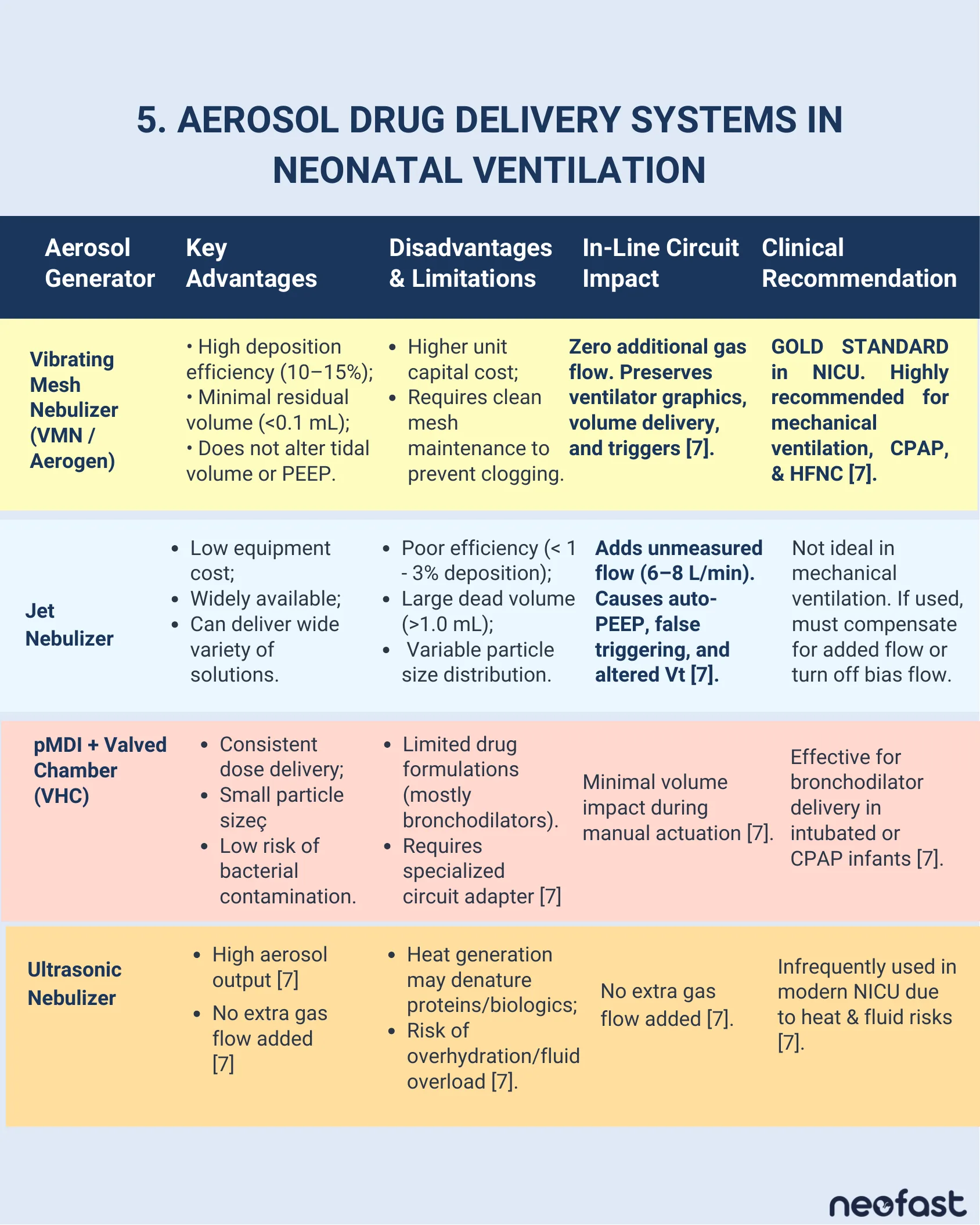
5. Aerosol Drug Delivery Systems in Neonatal Ventilation
| Aerosol Generator | Key Advantages | Disadvantages & Limitations | In-Line Circuit Impact | Clinical Recommendation |
|---|---|---|---|---|
| Vibrating Mesh Nebulizer (VMN / Aerogen) |
|
| Zero additional gas flow. Preserves ventilator graphics, volume delivery, and triggers [7]. | GOLD STANDARD in NICU. Highly recommended for mechanical ventilation, CPAP, & HFNC [7]. |
| Jet Nebulizer |
|
| Adds unmeasured flow (6–8 L/min). Causes auto-PEEP, false triggering, and altered Vt [7]. | Not ideal in mechanical ventilation. If used, must compensate for added flow or turn off bias flow. |
| pMDI + Valved Chamber (VHC) |
|
| Minimal volume impact during manual actuation [7]. | Effective for bronchodilator delivery in intubated or CPAP infants [7]. |
| Ultrasonic Nebulizer |
|
| No extra gas flow added [7]. | Infrequently used in modern NICU due to heat & fluid risks [7]. |
Vibrating Mesh Nebulizer (VMN / Aerogen) – Setup
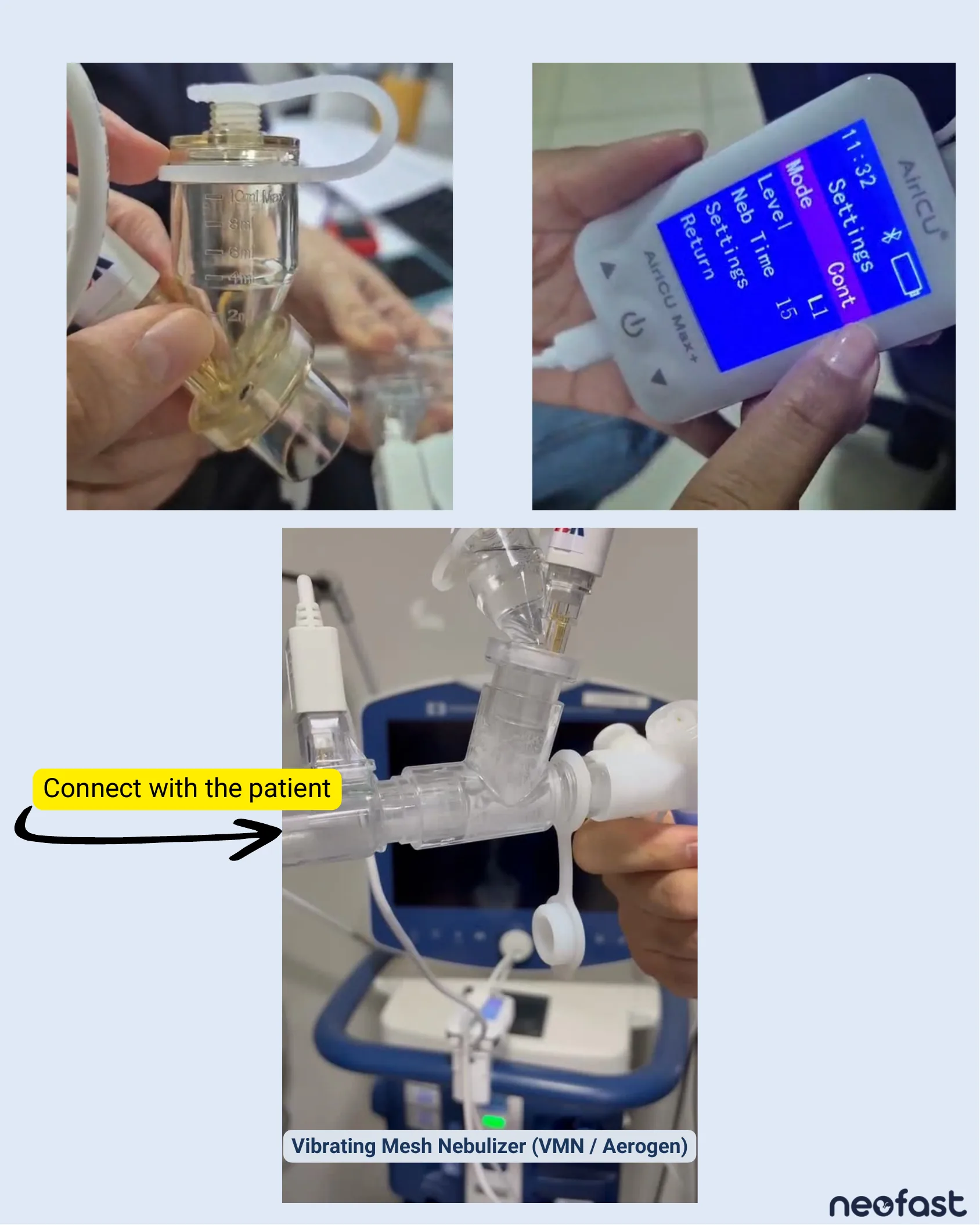
Vibrating Mesh Nebulizer (VMN / Aerogen)
- Medication chamber with graduated markings (2mL, 4mL, 6mL, 8mL, 10mL Max) connected to the ventilator circuit
- AiriCU Max+ device control panel showing Settings menu with options: Mode, Neb Time, Level, Settings, Return; display shows Cont, L1, 15, time 11:32
- Nebulizer assembly integrated into the ventilator circuit, with callout: Connect with the patient
6. Airway Humidification & Chest Physiotherapy Protocols
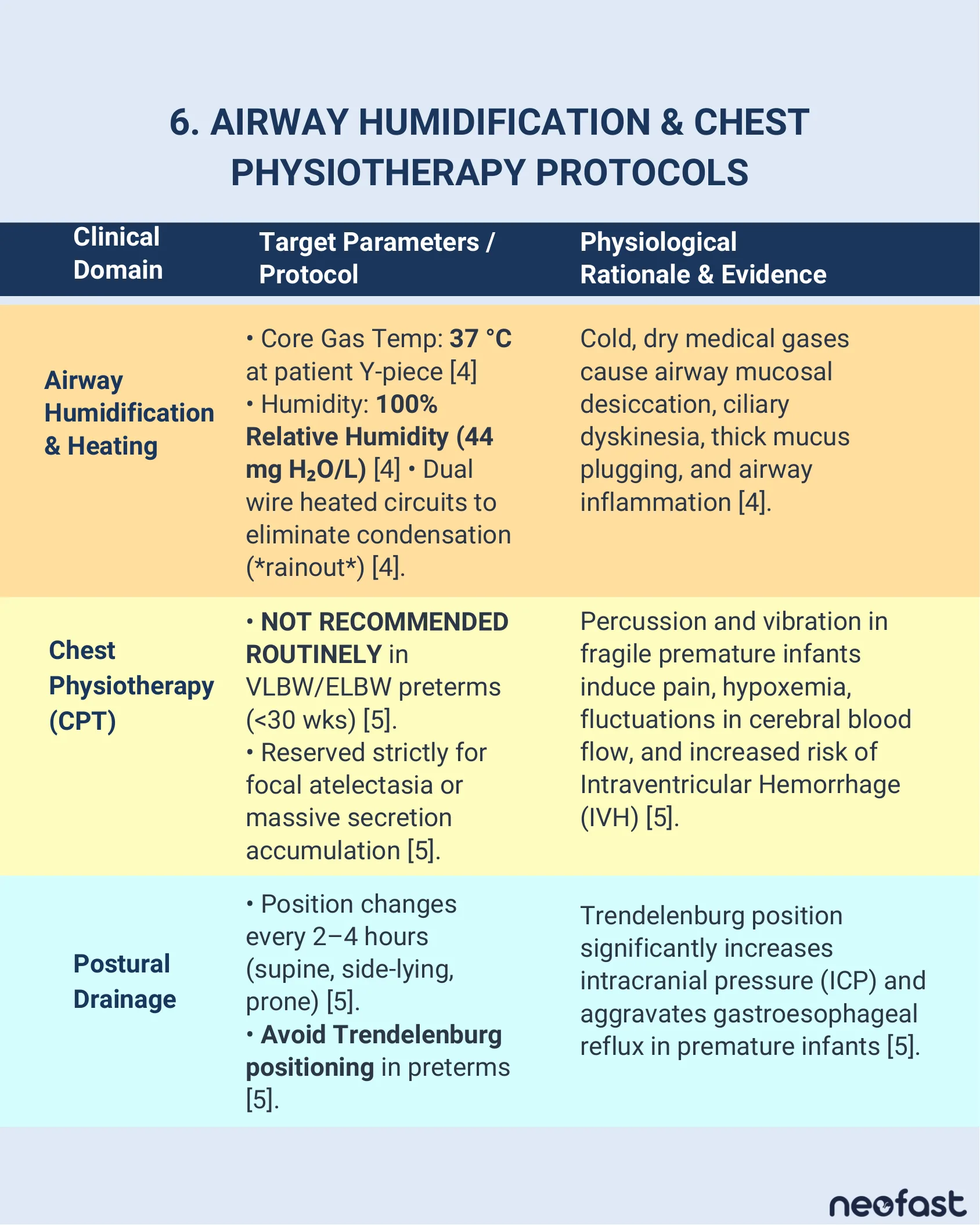
6. Airway Humidification & Chest Physiotherapy Protocols
| Clinical Domain | Target Parameters / Protocol | Physiological Rationale & Evidence |
|---|---|---|
| Airway Humidification & Heating |
| Cold, dry medical gases cause airway mucosal desiccation, ciliary dyskinesia, thick mucus plugging, and airway inflammation [4]. |
| Chest Physiotherapy (CPT) |
| Percussion and vibration in fragile premature infants induce pain, hypoxemia, fluctuations in cerebral blood flow, and increased risk of Intraventricular Hemorrhage (IVH) [5]. |
| Postural Drainage |
| Trendelenburg position significantly increases intracranial pressure (ICP) and aggravates gastroesophageal reflux in premature infants [5]. |
Temperature Probe Placement in Heated Humidification Circuits
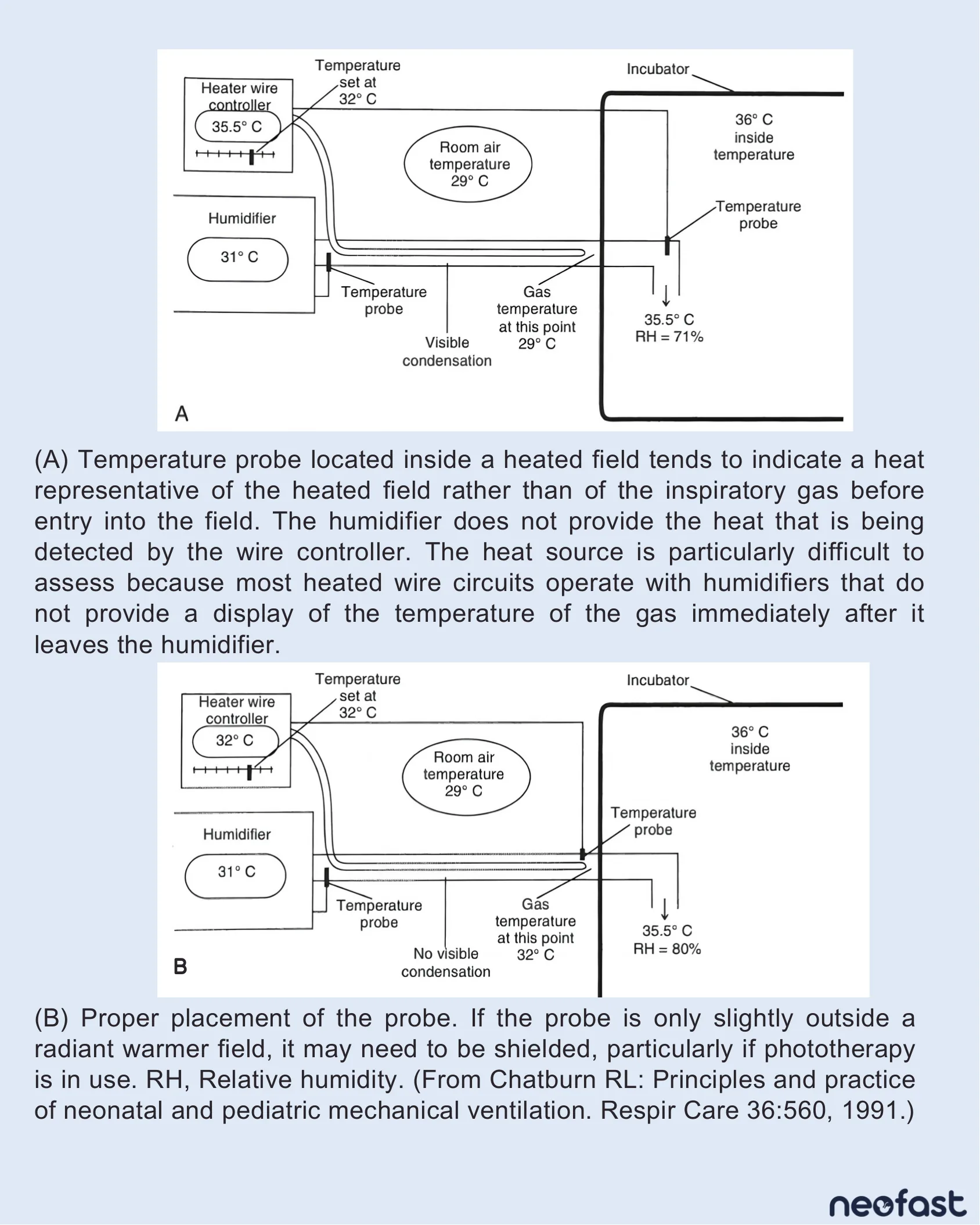
A
- Heater wire controller set at 32° C, displaying 35.5° C
- Humidifier: 31° C
- Room air temperature: 29° C
- Gas temperature at probe point: 29° C
- Visible condensation in tubing
- Incubator inside temperature: 36° C
- Temperature probe reading: 35.5° C, RH = 71%
(A) Temperature probe located inside a heated field tends to indicate a heat representative of the heated field rather than of the inspiratory gas before entry into the field. The humidifier does not provide the heat that is being detected by the wire controller. The heat source is particularly difficult to assess because most heated wire circuits operate with humidifiers that do not provide a display of the temperature of the gas immediately after it leaves the humidifier.
B
- Heater wire controller set at 32° C, displaying 32° C
- Humidifier: 31° C
- Room air temperature: 29° C
- Gas temperature at probe point: 32° C
- No visible condensation in tubing
- Incubator inside temperature: 36° C
- Temperature probe reading: 35.5° C, RH = 80%
(B) Proper placement of the probe. If the probe is only slightly outside a radiant warmer field, it may need to be shielded, particularly if phototherapy is in use. RH, Relative humidity. (From Chatburn RL: Principles and practice of neonatal and pediatric mechanical ventilation. Respir Care 36:560, 1991.)
7. Bedside Troubleshooting & Extubation Readiness Protocols
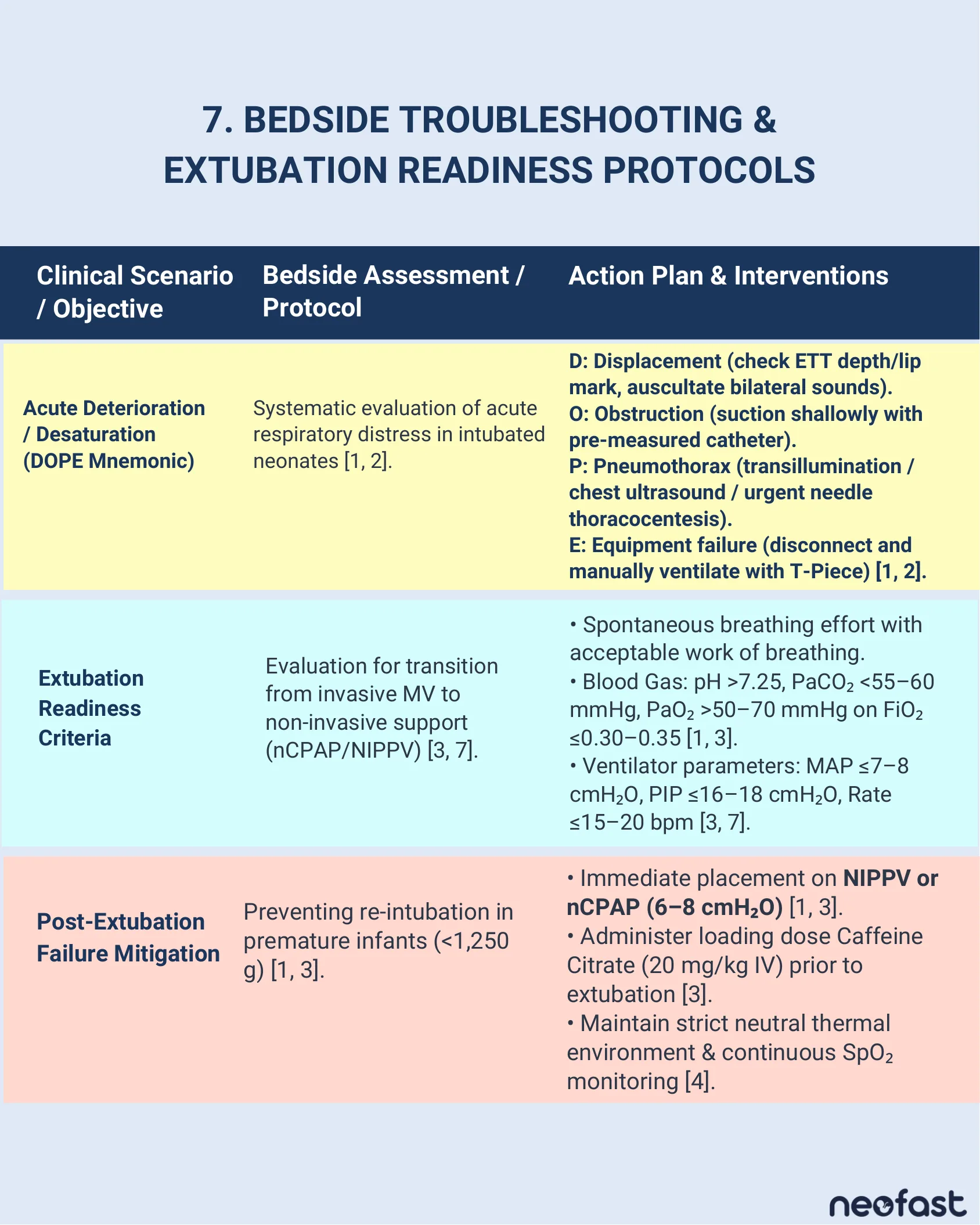
7. Bedside Troubleshooting & Extubation Readiness Protocols
| Clinical Scenario / Objective | Bedside Assessment / Protocol | Action Plan & Interventions |
|---|---|---|
| Acute Deterioration / Desaturation (DOPE Mnemonic) | Systematic evaluation of acute respiratory distress in intubated neonates [1, 2]. | D: Displacement (check ETT depth/lip mark, auscultate bilateral sounds). O: Obstruction (suction shallowly with pre-measured catheter). P: Pneumothorax (transillumination / chest ultrasound / urgent needle thoracocentesis). E: Equipment failure (disconnect and manually ventilate with T-Piece) [1, 2]. |
| Extubation Readiness Criteria | Evaluation for transition from invasive MV to non-invasive support (nCPAP/NIPPV) [3, 7]. |
|
| Post-Extubation Failure Mitigation | Preventing re-intubation in premature infants (<1,250 g) [1, 3]. |
|
8. Bibliographic References & Evidence Base
8. Bibliographic References & Evidence Base
- [1] DiBlasi RM. Respiratory Care of the Newborn: Positive-Pressure Ventilation and Manual Resuscitators. In: Restrepo RD, ed. Bedside Care, Nutritional and Pharmacologic Support. Chapter 29; 363-365.
- [2] American Academy of Pediatrics & American Heart Association. Endotracheal Intubation Equipment and Tube Selection Criteria. In: Textbook of Neonatal Resuscitation (NRP), 8th Edition. Elk Grove Village, IL; 366-368.
- [3] Keszler M. Noninvasive Ventilation and Continuous Positive Airway Pressure Support in the Newborn. Pediatr Pulmonol. 2019; Chapter 29; 369-372.
- [4] Cosselman M, et al. Humidification and Warming During Respiratory Support in Neonatal Intensive Care. Respir Care. 2020; Chapter 29; 372-374.
- [5] Hodge D, Ragedale R, Fletcher J, MacDonald H. Endotracheal Suctioning Protocols and Chest Physiotherapy Contraindications in Newborns. Neonatal Netw / J Pediatr Nurs; Chapter 29; 374-378.
- [6] Cloherty JP, Eichenwald EC, Hansen AR, Stark AR. Surfactant Replacement Therapy Preparations, Dosage, and LISA Protocols. In: Manual of Neonatal Care, 8th Edition. Lippincott Williams & Wilkins; Chapter 29; 378-380.
- [7] DiBlasi RM. Neonatal Aerosol Therapy and Comparison of Aerosol Generators in Mechanical Ventilation. Respir Care. 2021;66(6):958-975; Chapter 29; 380-383.
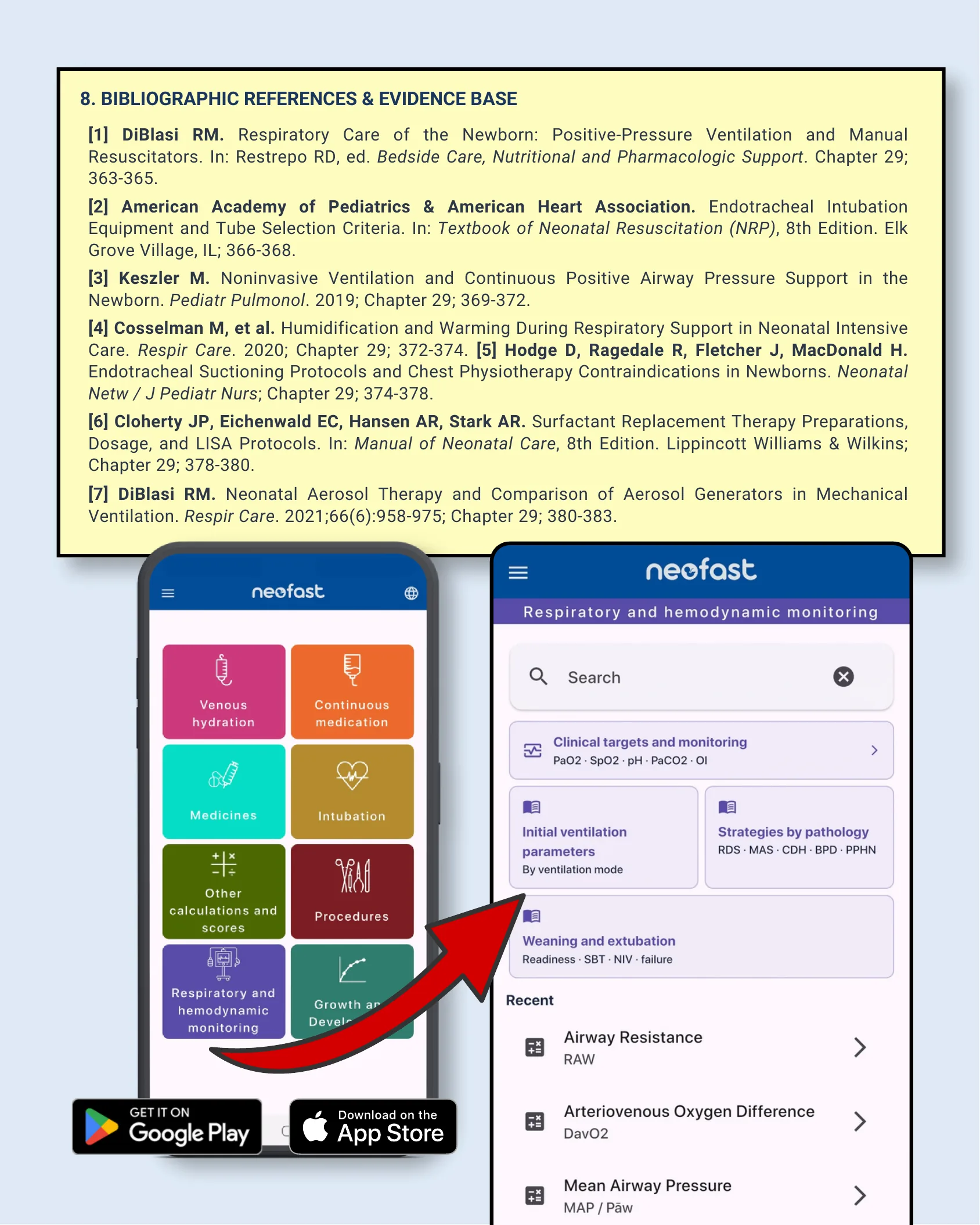
Neofast app main menu with modules: Venous hydration, Continuous medication, Medicines, Intubation, Other calculations and scores, Procedures, Respiratory and hemodynamic monitoring, Growth and Development.
Respiratory and hemodynamic monitoring section with: Clinical targets and monitoring (PaO2 · SpO2 · pH · PaCO2 · OI); Initial ventilation parameters (By ventilation mode); Strategies by pathology (RDS · MAS · CDH · BPD · PPHN); Weaning and extubation (Readiness · SBT · NIV · failure).
Recent: Airway Resistance (RAW); Arteriovenous Oxygen Difference (DavO2); Mean Airway Pressure (MAP / Paw).
Get it on Google Play / Download on the App Store.
Frequently asked questions
What are the initial nCPAP settings for neonatal RDS?
PEEP 5-8 cmH2O with gas temperature 37°C and 100% relative humidity (44 mg H2O/L). Prongs and mask should be alternated every 4-12 hours with hydrocolloid barrier dressings to prevent nasal septal trauma, and an OGT is required for gastric venting.
What is the correct suction catheter size for a 3.5 mm ETT?
An 8 French suction catheter is appropriate for a 3.5 mm ID endotracheal tube; for 2.5 mm use 5-6 Fr, for 3.0 mm use 6 or 8 Fr, and for 4.0 mm use 8 or 10 Fr.
What is the poractant alfa (Curosurf) dosing protocol?
Initial dose is 200 mg/kg (2.5 mL/kg); repeat doses are 100 mg/kg (1.25 mL/kg) at 12-hour intervals, up to 2 repeat doses. Maximum total dose is 5 mL/kg/day or 400 mg/kg. Prophylactic therapy should be given within 10-30 minutes of birth; rescue therapy as soon as possible, preferably within 2 hours of birth.
How long should endotracheal suctioning be withheld after surfactant administration?
Endotracheal suctioning should be withheld for 1 to 6 hours after surfactant instillation, unless airway occlusion occurs, since rapid compliance improvement requires close SpO2 and tidal volume monitoring to down-titrate FiO2 and PIP.
What are the blood gas and ventilator criteria for extubation readiness?
pH >7.25, PaCO2 <55-60 mmHg, PaO2 >50-70 mmHg on FiO2 ≤0.30-0.35, with ventilator parameters MAP ≤7-8 cmH2O, PIP ≤16-18 cmH2O, and rate ≤15-20 bpm. For infants <1,250 g, immediate NIPPV or nCPAP (6-8 cmH2O) and a caffeine citrate loading dose of 20 mg/kg IV prior to extubation help prevent post-extubation failure.