References
- Toronto Resident’s Handbook of Neonatology
Key takeaways
- NAS (or NOWS for opioid-specific withdrawal) results from in-utero substance exposure; 30–75% of opioid-exposed infants require pharmacologic treatment.
- Withdrawal onset depends on the opioid: short-acting (e.g., fentanyl) often <24 h; long-acting (methadone, buprenorphine) is delayed 5–7 days, with acute symptoms persisting 10–30 days.
- The Modified Finnegan score guides management — started 1–2 h after birth and repeated every 3–4 h; monitor at least 72 h, or at least 120 h for long-acting opioid or polysubstance exposure.
- Non-pharmacologic care (skin-to-skin, rooming-in, swaddling, low stimulation, breastfeeding) is first-line; oral morphine is first-line pharmacotherapy, with phenobarbital or clonidine for escalation.
Neonatal Abstinence Syndrome (NAS)
A Clinical Pathway for Assessment and Management
Didactic Reference Guide for Neonatology Residents
Based on the Toronto Resident’s Handbook of Neonatology
Terminology & Systemic Impact
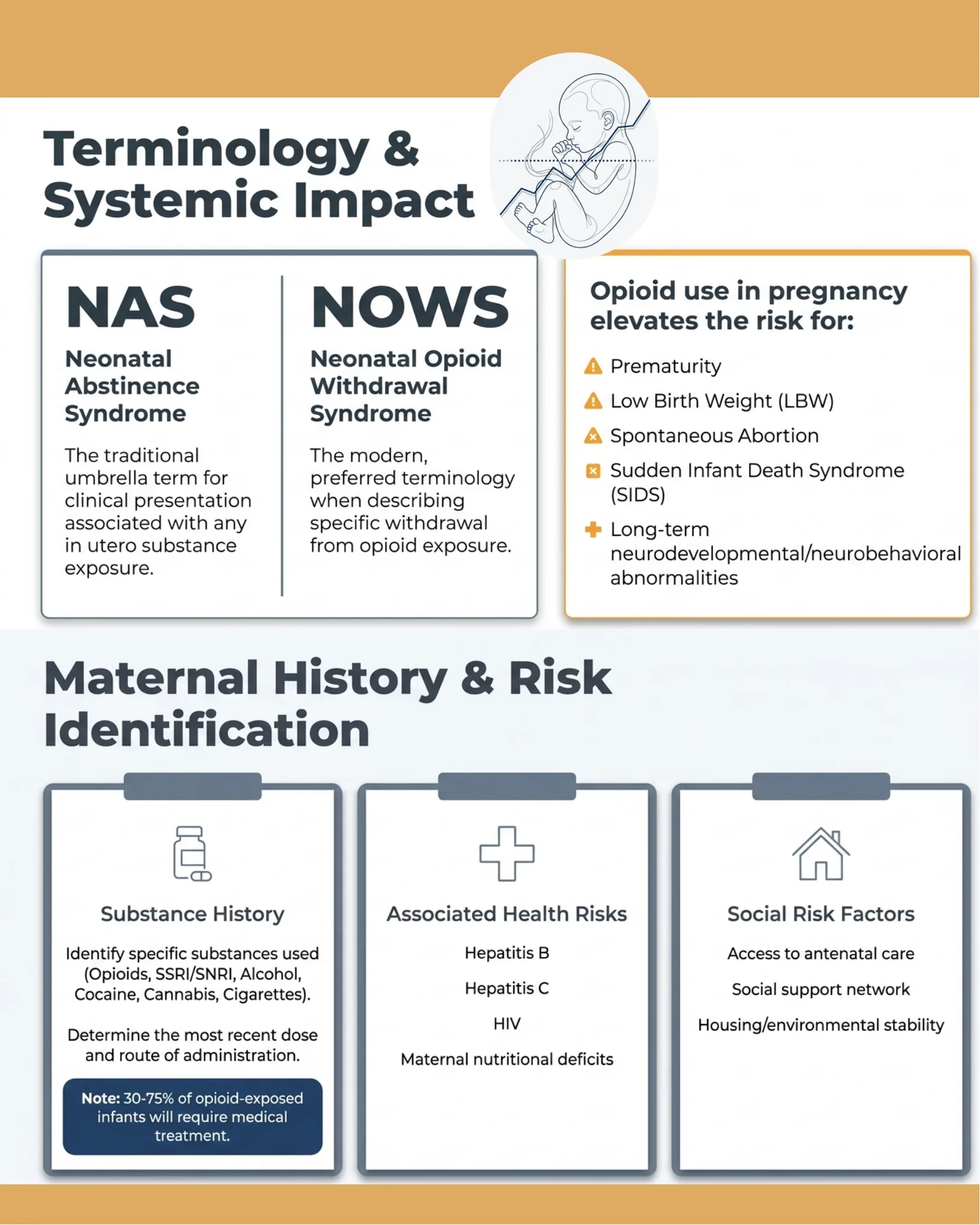
Terminology & Systemic Impact
| NAS | NOWS |
|---|---|
| Neonatal Abstinence Syndrome The traditional umbrella term for clinical presentation associated with any in utero substance exposure. | Neonatal Opioid Withdrawal Syndrome The modern, preferred terminology when describing specific withdrawal from opioid exposure. |
Opioid use in pregnancy elevates the risk for:
- Prematurity
- Low Birth Weight (LBW)
- Spontaneous Abortion
- Sudden Infant Death Syndrome (SIDS)
- Long-term neurodevelopmental/neurobehavioral abnormalities
Maternal History & Risk Identification
Substance History
- Identify specific substances used (Opioids, SSRI/SNRI, Alcohol, Cocaine, Cannabis, Cigarettes).
- Determine the most recent dose and route of administration.
Note: 30-75% of opioid-exposed infants will require medical treatment.
Associated Health Risks
- Hepatitis B
- Hepatitis C
- HIV
- Maternal nutritional deficits
Social Risk Factors
- Access to antenatal care
- Social support network
- Housing/environmental stability
The Timeline of Opioid Withdrawal & Assessment Standard
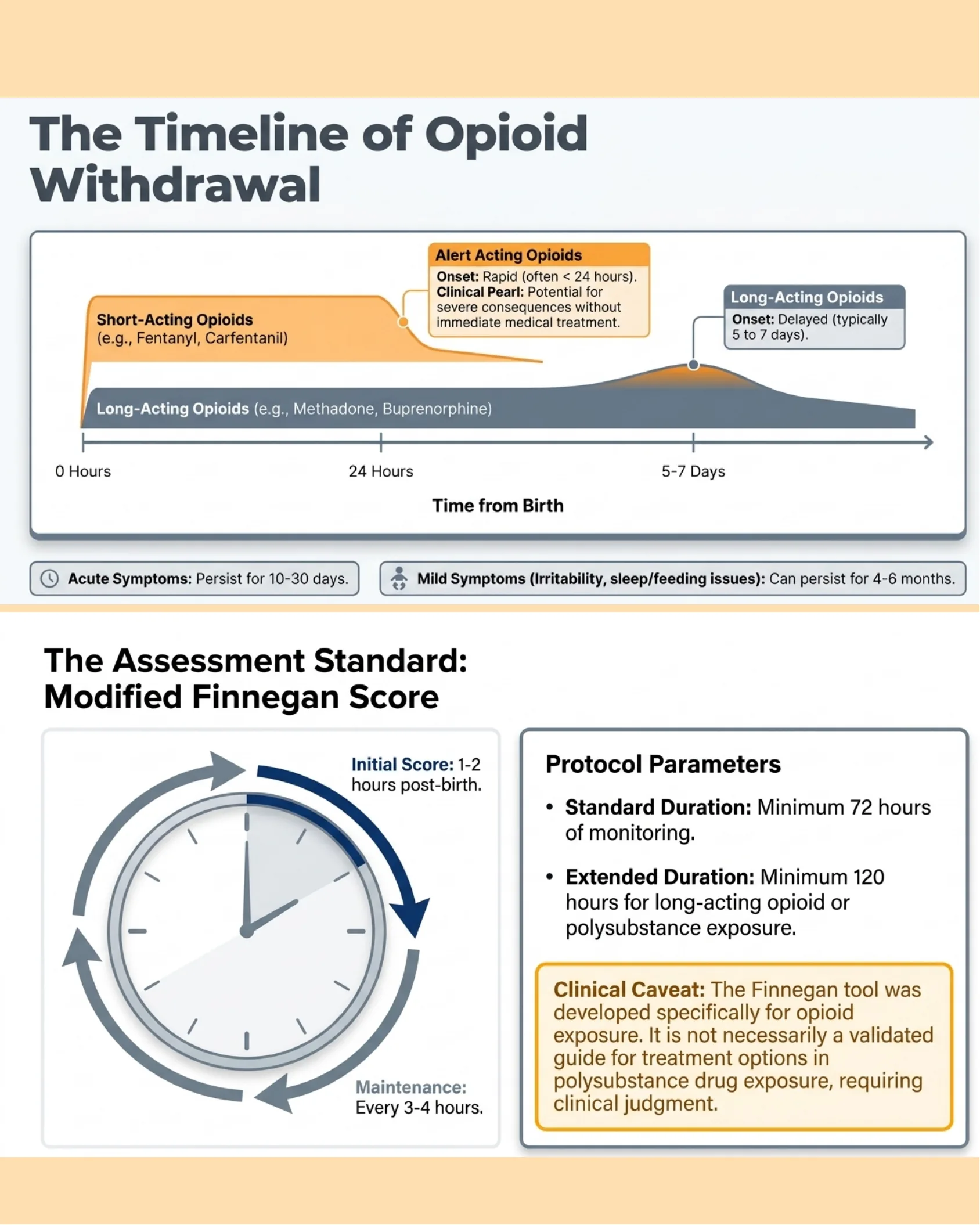
The Timeline of Opioid Withdrawal
- Short-Acting Opioids (e.g., Fentanyl, Carfentanil)
Onset: Rapid (often < 24 hours).
Clinical Pearl: Potential for severe consequences without immediate medical treatment. - Long-Acting Opioids (e.g., Methadone, Buprenorphine)
Onset: Delayed (typically 5 to 7 days).
Acute Symptoms: Persist for 10-30 days.
Mild Symptoms (Irritability, sleep/feeding issues): Can persist for 4-6 months.
The Assessment Standard: Modified Finnegan Score
- Initial Score: 1-2 hours post-birth.
- Maintenance: Every 3-4 hours.
Protocol Parameters
- Standard Duration: Minimum 72 hours of monitoring.
- Extended Duration: Minimum 120 hours for long-acting opioid or polysubstance exposure.
Clinical Caveat: The Finnegan tool was developed specifically for opioid exposure. It is not necessarily a validated guide for treatment options in polysubstance drug exposure, requiring clinical judgment.
Finnegan Score – App Example
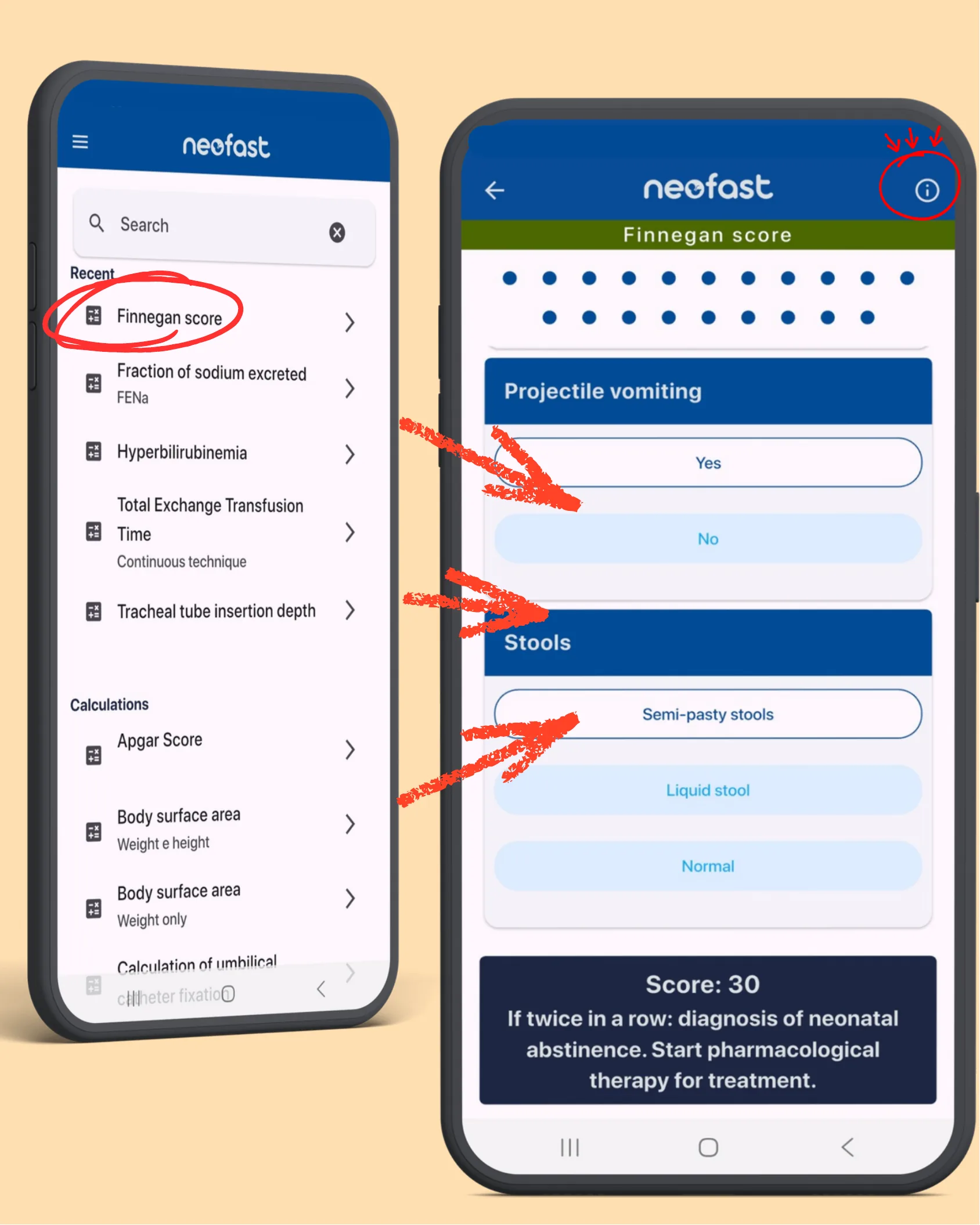
Finnegan Score
App: neofast
- Recent tool selected: Finnegan score
Finnegan score
- Projectile vomiting: Yes / No
- Stools: Semi-pasty stools / Liquid stool / Normal
Score: 30
If twice in a row: diagnosis of neonatal abstinence. Start pharmacological therapy for treatment.
Finnegan Score Table
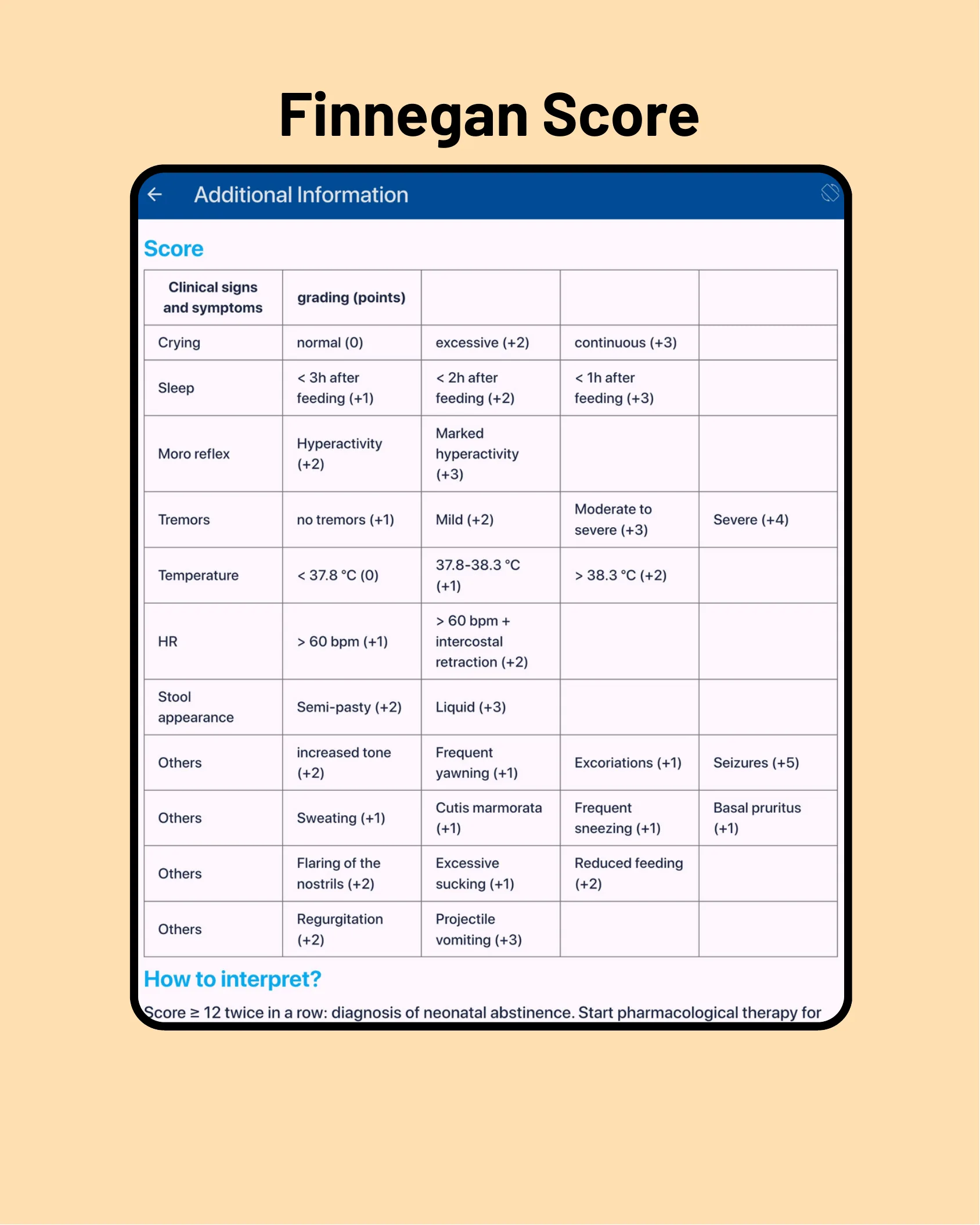
Finnegan Score
| Clinical signs and symptoms | Grading (points) | |||
|---|---|---|---|---|
| Crying | normal (0) | excessive (+2) | continuous (+3) | |
| Sleep | < 3h after feeding (+1) | < 2h after feeding (+2) | < 1h after feeding (+3) | |
| Moro reflex | Hyperactivity (+2) | Marked hyperactivity (+3) | ||
| Tremors | no tremors (+1) | Mild (+2) | Moderate to severe (+3) | Severe (+4) |
| Temperature | < 37.8 °C (0) | 37.8-38.3 °C (+1) | > 38.3 °C (+2) | |
| HR | > 60 bpm (+1) | > 60 bpm + intercostal retraction (+2) | ||
| Stool appearance | Semi-pasty (+2) | Liquid (+3) | ||
| Others | increased tone (+2) | Frequent yawning (+1) | Excoriations (+1) | Seizures (+5) |
| Others | Sweating (+1) | Cutis marmorata (+1) | Frequent sneezing (+1) | Basal pruritus (+1) |
| Others | Flaring of the nostrils (+2) | Excessive sucking (+1) | Reduced feeding (+2) | |
| Others | Regurgitation (+2) | Projectile vomiting (+3) | ||
How to interpret?
Score ≥ 12 twice in a row: diagnosis of neonatal abstinence. Start pharmacological therapy for…
Visualizing the Finnegan Score & Non-Pharmacological Care
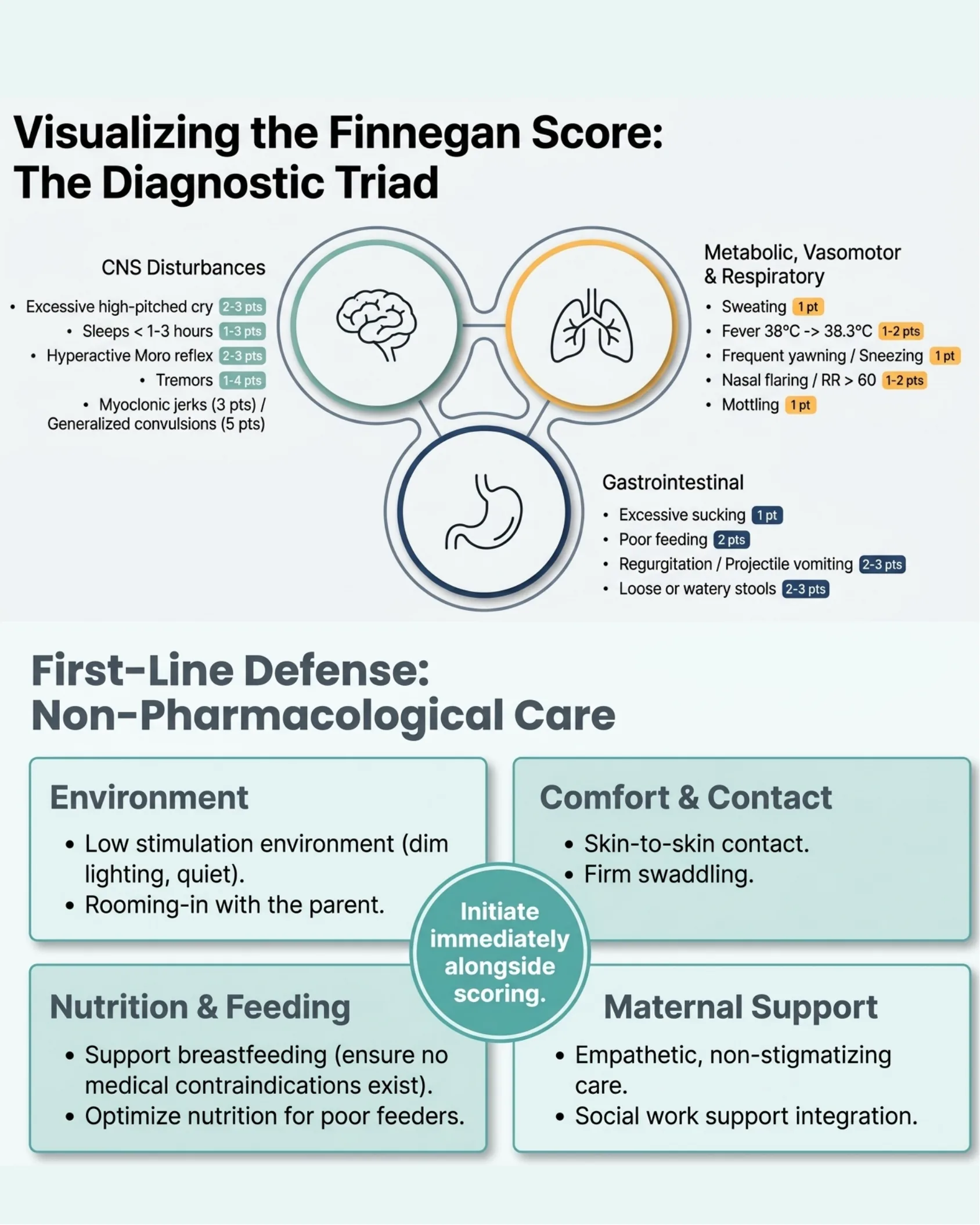
Visualizing the Finnegan Score: The Diagnostic Triad
CNS Disturbances
- Excessive high-pitched cry: 2-3 pts
- Sleeps < 1-3 hours: 1-3 pts
- Hyperactive Moro reflex: 2-3 pts
- Tremors: 1-4 pts
- Myoclonic jerks (3 pts) / Generalized convulsions (5 pts)
Metabolic, Vasomotor & Respiratory
- Sweating: 1 pt
- Fever 38°C -> 38.3°C: 1-2 pts
- Frequent yawning / Sneezing: 1 pt
- Nasal flaring / RR > 60: 1-2 pts
- Mottling: 1 pt
Gastrointestinal
- Excessive sucking: 1 pt
- Poor feeding: 2 pts
- Regurgitation / Projectile vomiting: 2-3 pts
- Loose or watery stools: 2-3 pts
First-Line Defense: Non-Pharmacological Care
Initiate immediately alongside scoring.
Environment
- Low stimulation environment (dim lighting, quiet).
- Rooming-in with the parent.
Comfort & Contact
- Skin-to-skin contact.
- Firm swaddling.
Nutrition & Feeding
- Support breastfeeding (ensure no medical contraindications exist).
- Optimize nutrition for poor feeders.
Maternal Support
- Empathetic, non-stigmatizing care.
- Social work support integration.
The Clinical Decision Algorithm & Escalation Threshold
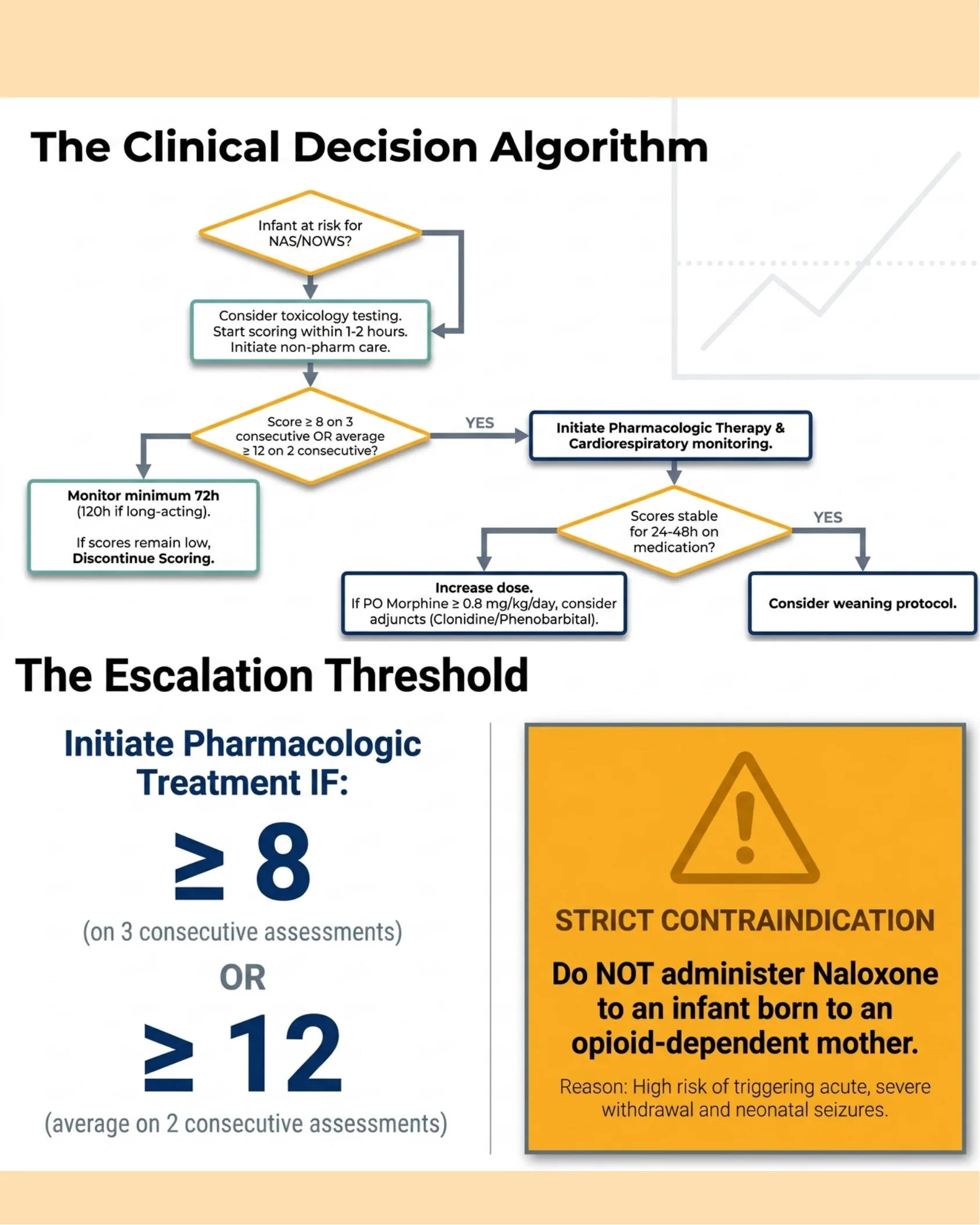
The Clinical Decision Algorithm
- Infant at risk for NAS/NOWS?
- Consider toxicology testing. Start scoring within 1-2 hours. Initiate non-pharm care.
- Score ≥ 8 on 3 consecutive OR average ≥ 12 on 2 consecutive?
If NO: Monitor minimum 72h (120h if long-acting). If scores remain low, Discontinue Scoring.
If YES: Initiate Pharmacologic Therapy & Cardiorespiratory monitoring.
- Scores stable for 24-48h on medication?
If NO: Increase dose. If PO Morphine ≥ 0.8 mg/kg/day, consider adjuncts (Clonidine/Phenobarbital).
If YES: Consider weaning protocol.
The Escalation Threshold
Initiate Pharmacologic Treatment IF:
- ≥ 8 (on 3 consecutive assessments)
- OR
- ≥ 12 (average on 2 consecutive assessments)
STRICT CONTRAINDICATION
Do NOT administer Naloxone to an infant born to an opioid-dependent mother.
Reason: High risk of triggering acute, severe withdrawal and neonatal seizures.
Pharmacological Management Overview & Comparison Matrix
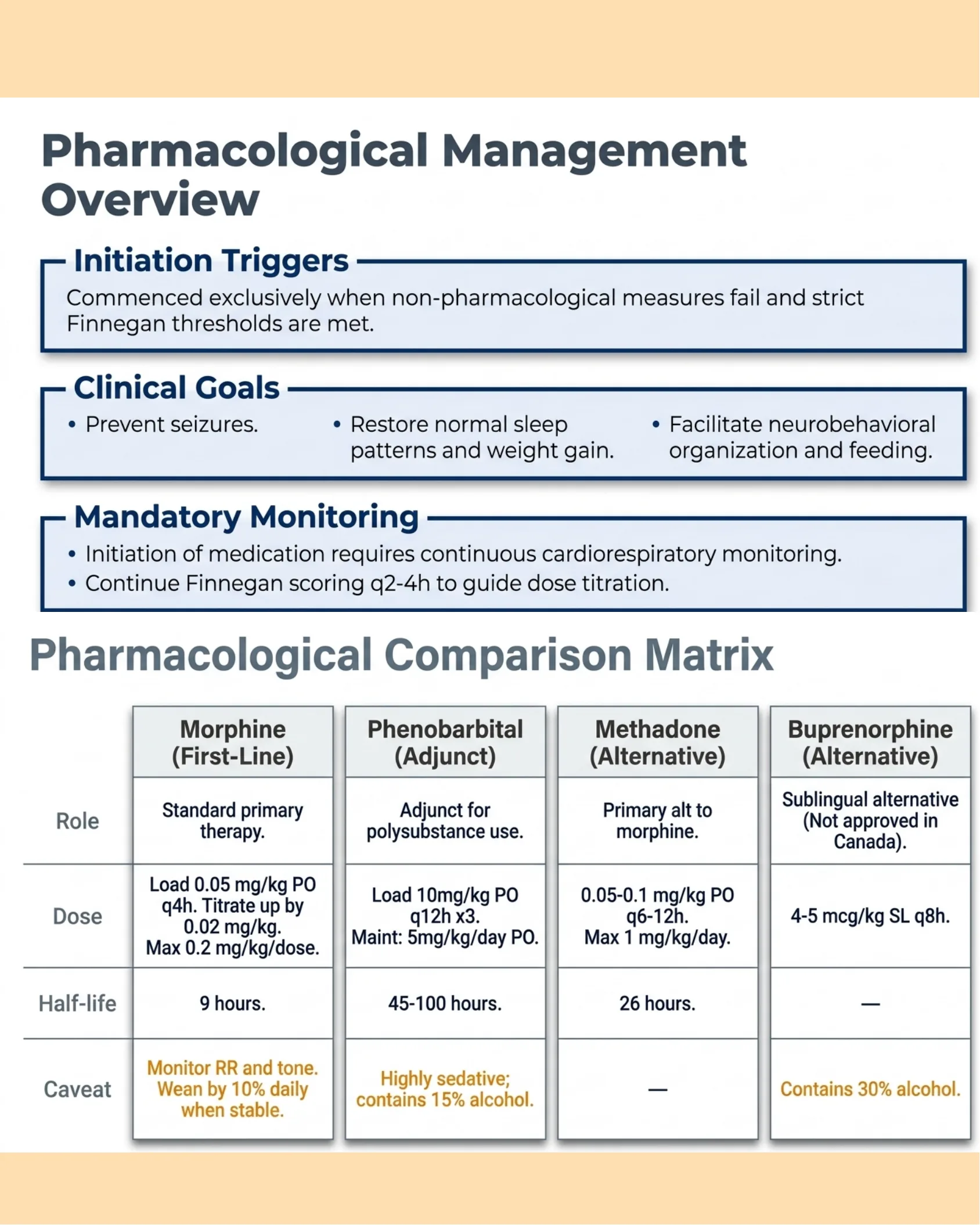
Pharmacological Management Overview
Initiation Triggers
Commenced exclusively when non-pharmacological measures fail and strict Finnegan thresholds are met.
Clinical Goals
- Prevent seizures.
- Restore normal sleep patterns and weight gain.
- Facilitate neurobehavioral organization and feeding.
Mandatory Monitoring
- Initiation of medication requires continuous cardiorespiratory monitoring.
- Continue Finnegan scoring q2-4h to guide dose titration.
Pharmacological Comparison Matrix
| Morphine (First-Line) | Phenobarbital (Adjunct) | Methadone (Alternative) | Buprenorphine (Alternative) | |
|---|---|---|---|---|
| Role | Standard primary therapy. | Adjunct for polysubstance use. | Primary alt to morphine. | Sublingual alternative (Not approved in Canada). |
| Dose | Load 0.05 mg/kg PO q4h. Titrate up by 0.02 mg/kg. Max 0.2 mg/kg/dose. | Load 10mg/kg PO q12h x3. Maint: 5mg/kg/day PO. | 0.05-0.1 mg/kg PO q6-12h. Max 1 mg/kg/day. | 4-5 mcg/kg SL q8h. |
| Half-life | 9 hours. | 45-100 hours. | 26 hours. | — |
| Caveat | Monitor RR and tone. Wean by 10% daily when stable. | Highly sedative; contains 15% alcohol. | — | Contains 30% alcohol. |
Weaning & Discharge Criteria
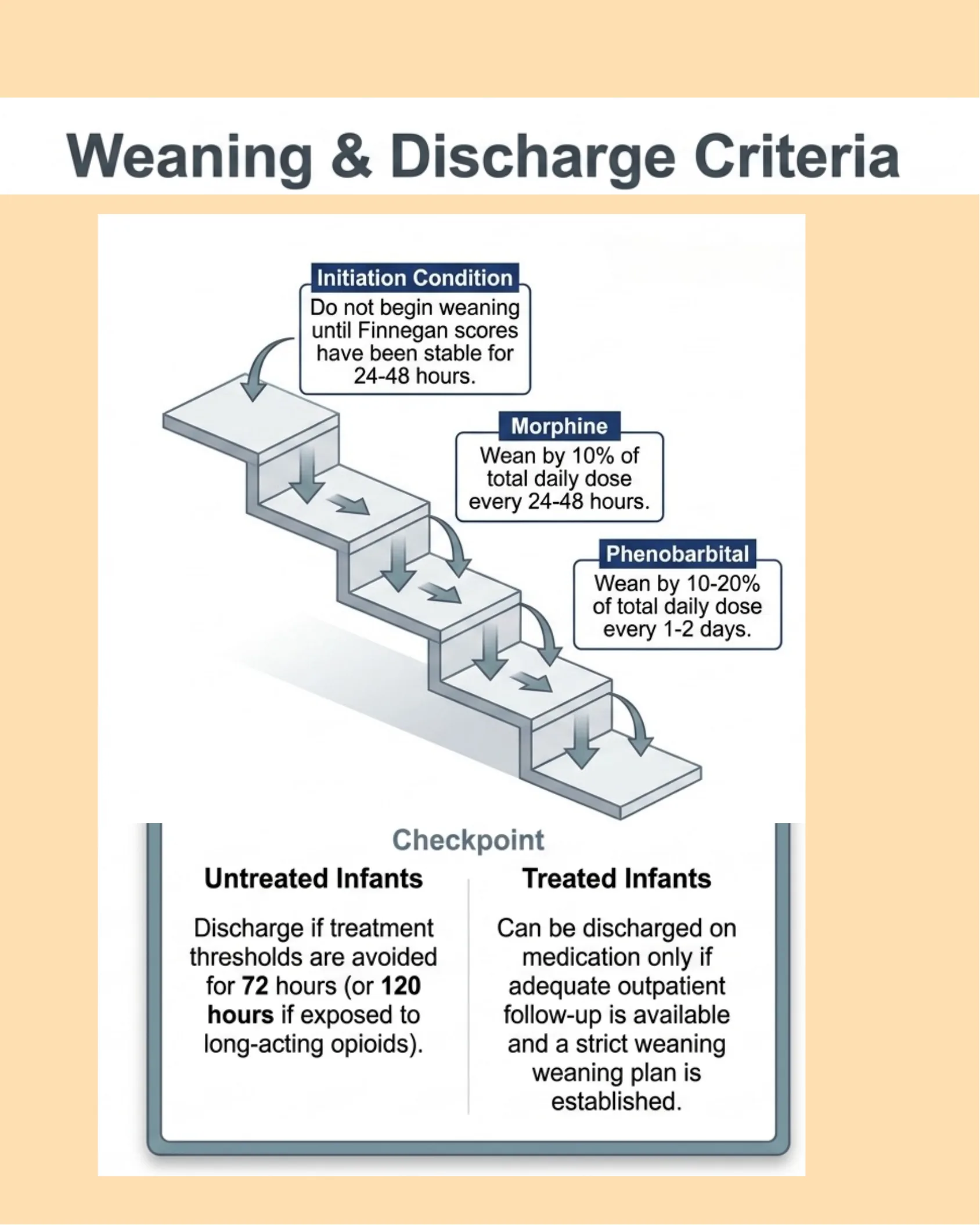
Weaning & Discharge Criteria
- Initiation Condition: Do not begin weaning until Finnegan scores have been stable for 24-48 hours.
- Morphine: Wean by 10% of total daily dose every 24-48 hours.
- Phenobarbital: Wean by 10-20% of total daily dose every 1-2 days.
Checkpoint
| Untreated Infants | Treated Infants |
|---|---|
| Discharge if treatment thresholds are avoided for 72 hours (or 120 hours if exposed to long-acting opioids). | Can be discharged on medication only if adequate outpatient follow-up is available and a strict weaning plan is established. |
Summary & Clinical Pearls for the On-Call Resident
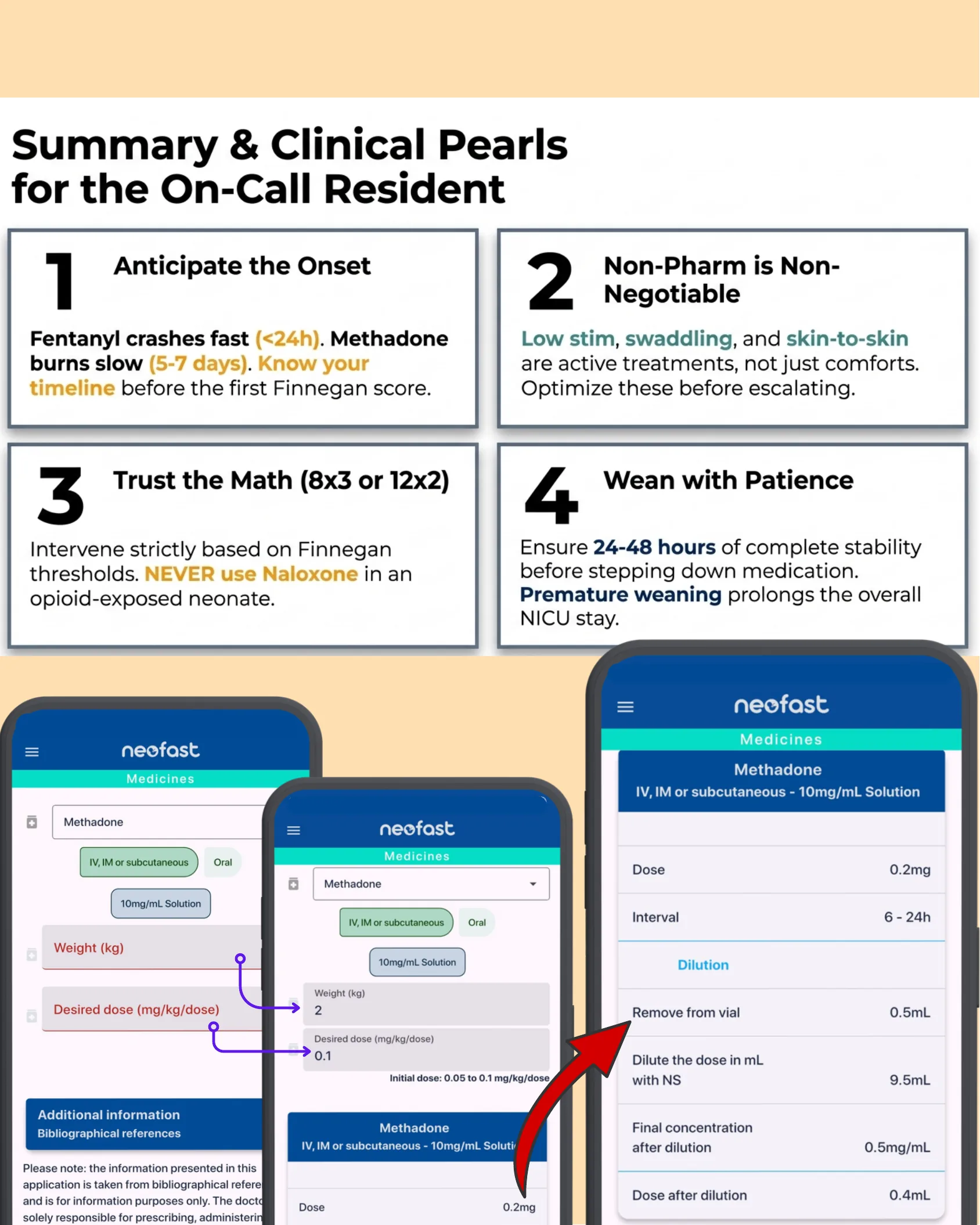
Summary & Clinical Pearls for the On-Call Resident
- Anticipate the Onset
Fentanyl crashes fast (<24h). Methadone burns slow (5-7 days). Know your timeline before the first Finnegan score.
- Non-Pharm is Non-Negotiable
Low stim, swaddling, and skin-to-skin are active treatments, not just comforts. Optimize these before escalating.
- Trust the Math (8×3 or 12×2)
Intervene strictly based on Finnegan thresholds. NEVER use Naloxone in an opioid-exposed neonate.
- Wean with Patience
Ensure 24-48 hours of complete stability before stepping down medication. Premature weaning prolongs the overall NICU stay.
Neofast App – Methadone Dosing Example
- Medicine: Methadone
- Route: IV, IM or subcutaneous / Oral
- Concentration: 10mg/mL Solution
- Weight (kg): 2
- Desired dose (mg/kg/dose): 0.1
- Initial dose: 0.05 to 0.1 mg/kg/dose
- Dose: 0.2mg
- Interval: 6 – 24h
Dilution
- Remove from vial: 0.5mL
- Dilute the dose in mL with NS: 9.5mL
- Final concentration after dilution: 0.5mg/mL
- Dose after dilution: 0.4mL
Additional Information
Bibliographical references
Please note: the information presented in this application is taken from bibliographical references and is for information purposes only. The doctor is solely responsible for prescribing, administering…

neofast
- GET IT ON Google Play
- Download on the App Store
Frequently asked questions
When should pharmacologic treatment for NAS start?
When the Modified Finnegan score indicates it — typically a score ≥8 on 3 consecutive assessments or an average ≥12 on 2 consecutive assessments.
How long should a substance-exposed newborn be monitored?
At least 72 hours; extend to at least 120 hours for long-acting opioid or polysubstance exposure.
What is the first-line treatment for NAS?
Non-pharmacologic measures first (skin-to-skin, rooming-in, swaddling, low-stimulation environment, breastfeeding); oral morphine is the first-line medication, with phenobarbital or clonidine when it fails.