Key takeaways
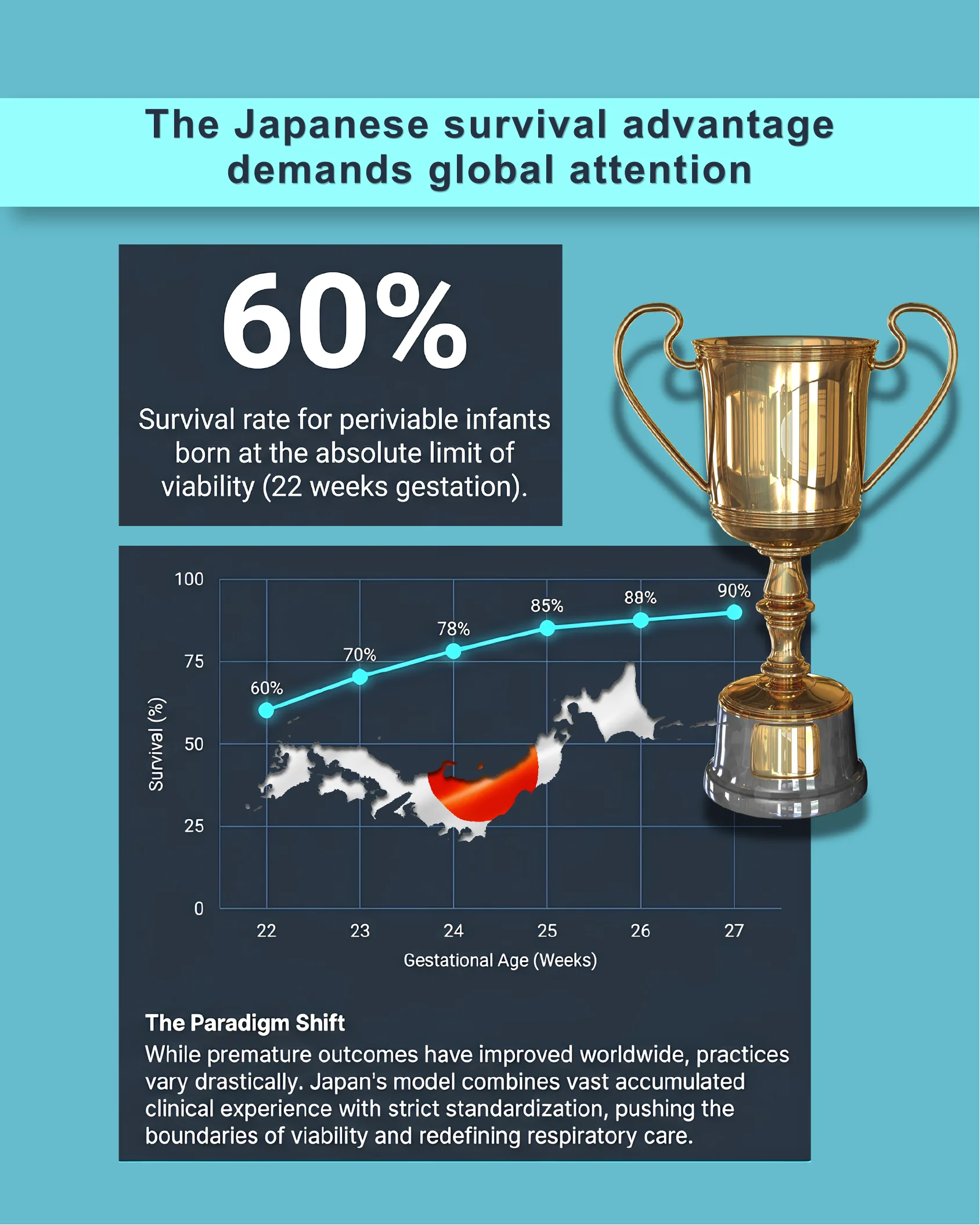
- Japan achieves a 60% survival rate for periviable infants born at 22 weeks gestation, with survival rising to 70% at 23 weeks, 78% at 24 weeks, 85% at 25 weeks, 88% at 26 weeks, and 90% at 27 weeks.
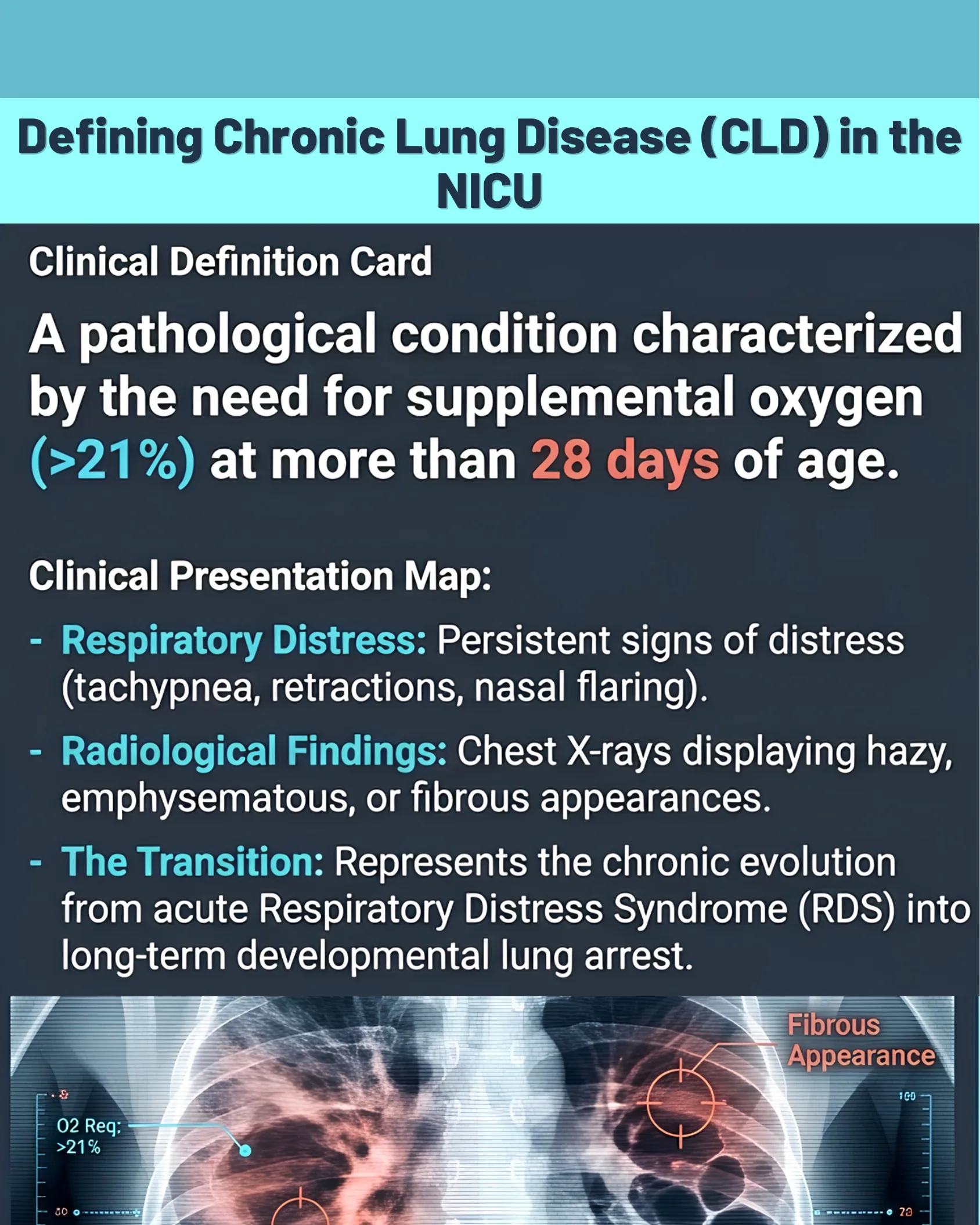
- Chronic Lung Disease (CLD) is defined as the need for supplemental oxygen (>21%) at more than 28 days of age, presenting with persistent respiratory distress and hazy, emphysematous, or fibrous chest X-ray findings.
- The 2023 Revised Japanese Classification uses three pillars—Histological Chorioamnionitis (H-CAM), Small for Gestational Age (SGA, <10th percentile), and a Bubbly/Cystic Chest X-Ray appearance within 28 days—to stratify infants into CLD Types I through V, with an ‘s’ modifier appended for SGA cases to flag the highest-risk cohorts.
- Japanese delivery room protocol targets an initial FiO2 of 30-40%, favors prompt endotracheal intubation for infants <28 weeks over LISA/INSURE, and prioritizes surfactant administration at 120 mg/kg within the first 30 minutes of life.
- HFOV is the Japanese first-line respiratory support strategy, using micro-tidal volumes (1.0-2.0 mL/kg) at 12-15 Hz with Volume Guarantee to eliminate volutrauma, and infants are often extubated directly from HFOV to N-CPAP (4-7 cm H2O) or transitioned to NAVA to prevent hypoxic apnea events.
- Pulmonary hypertension (CLD-PH) complicates 20-40% of severe CLD cases and is managed with inhaled nitric oxide starting at 5 ppm, tapered by 1-2 ppm once SpO2 stabilizes at 85-95% on FiO2 <0.40.
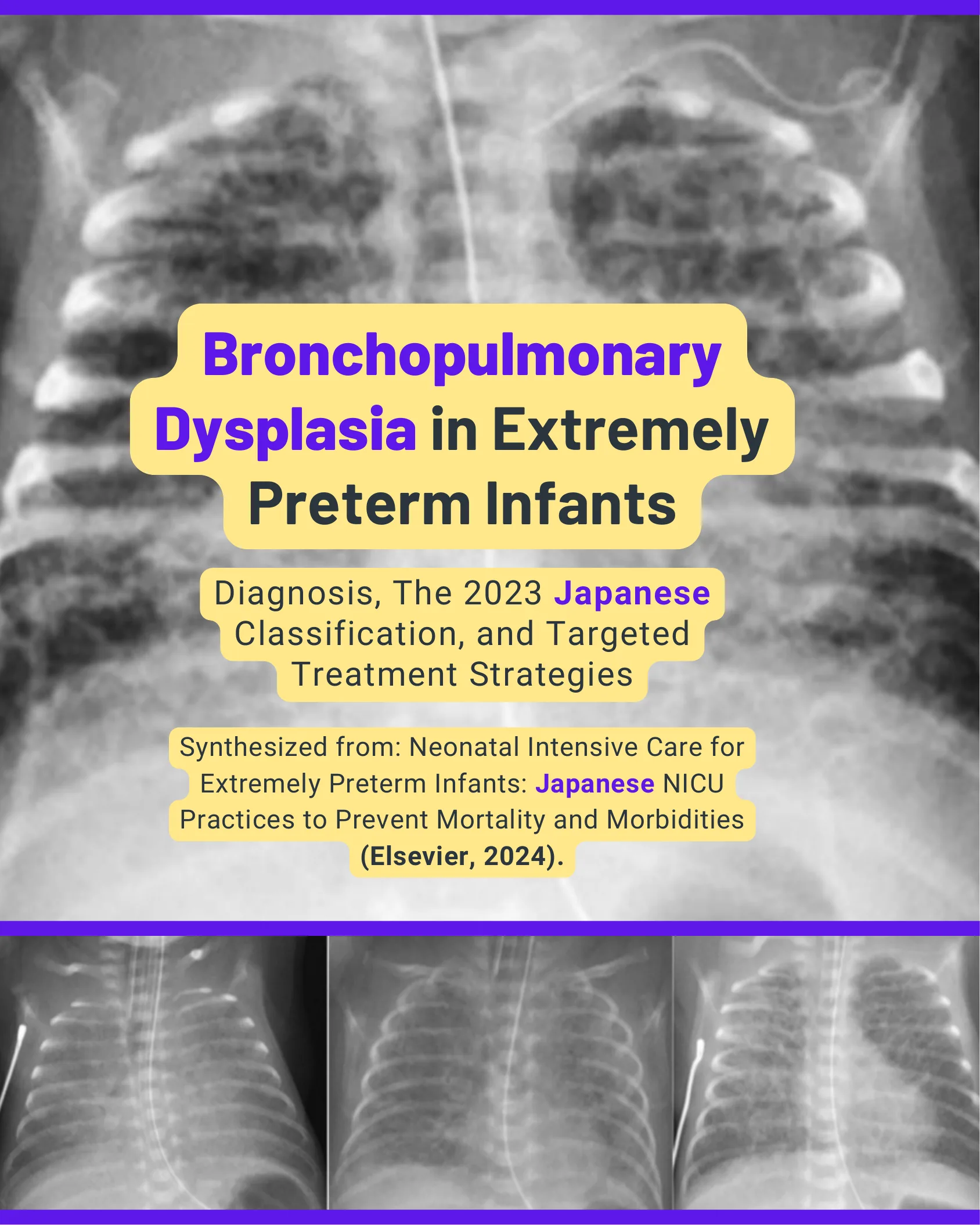
Bronchopulmonary Dysplasia in Extremely Preterm Infants
Diagnosis, The 2023 Japanese Classification, and Targeted Treatment Strategies
Synthesized from: Neonatal Intensive Care for Extremely Preterm Infants: Japanese NICU Practices to Prevent Mortality and Morbidities (Elsevier, 2024).
The Japanese survival advantage demands global attention
The Japanese survival advantage demands global attention
60%
Survival rate for periviable infants born at the absolute limit of viability (22 weeks gestation).
| Gestational Age (Weeks) | Survival (%) |
|---|---|
| 22 | 60% |
| 23 | 70% |
| 24 | 78% |
| 25 | 85% |
| 26 | 88% |
| 27 | 90% |
The Paradigm Shift
While premature outcomes have improved worldwide, practices vary drastically. Japan’s model combines vast accumulated clinical experience with strict standardization, pushing the boundaries of viability and redefining respiratory care.
Defining Chronic Lung Disease (CLD) in the NICU
Defining Chronic Lung Disease (CLD) in the NICU
Clinical Definition Card
A pathological condition characterized by the need for supplemental oxygen (>21%) at more than 28 days of age.
Clinical Presentation Map:
- Respiratory Distress: Persistent signs of distress (tachypnea, retractions, nasal flaring).
- Radiological Findings: Chest X-rays displaying hazy, emphysematous, or fibrous appearances.
- The Transition: Represents the chronic evolution from acute Respiratory Distress Syndrome (RDS) into long-term developmental lung arrest.
The anatomy of premature lung injury is multifactorial
The anatomy of premature lung injury is multifactorial.
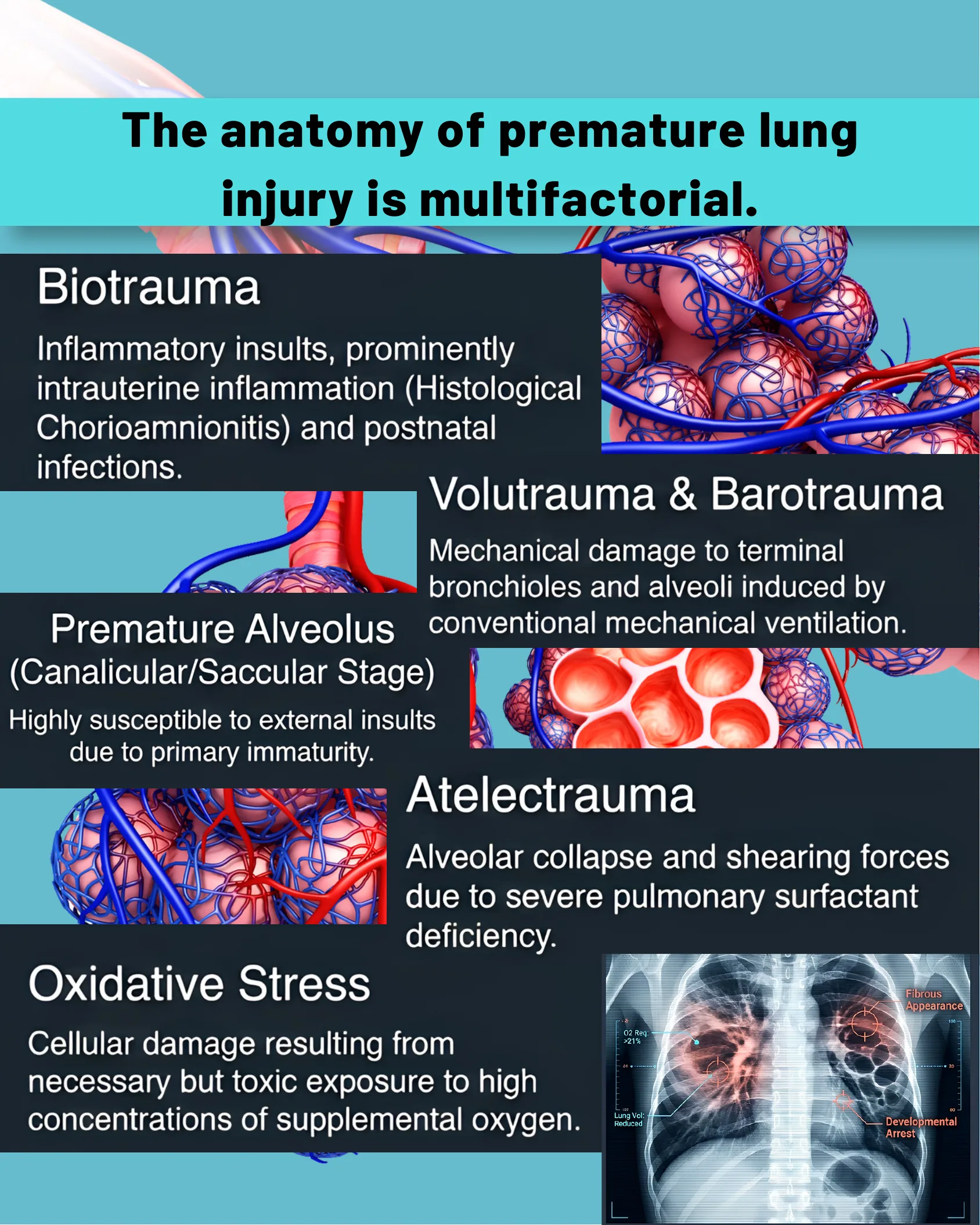
Biotrauma
Inflammatory insults, prominently intrauterine inflammation (Histological Chorioamnionitis) and postnatal infections.
Volutrauma & Barotrauma
Mechanical damage to terminal bronchioles and alveoli induced by conventional mechanical ventilation.
Premature Alveolus (Canalicular/Saccular Stage)
Highly susceptible to external insults due to primary immaturity.
Atelectrauma
Alveolar collapse and shearing forces due to severe pulmonary surfactant deficiency.
Oxidative Stress
Cellular damage resulting from necessary but toxic exposure to high concentrations of supplemental oxygen.
Shifting from late diagnosis to early prognostic prediction
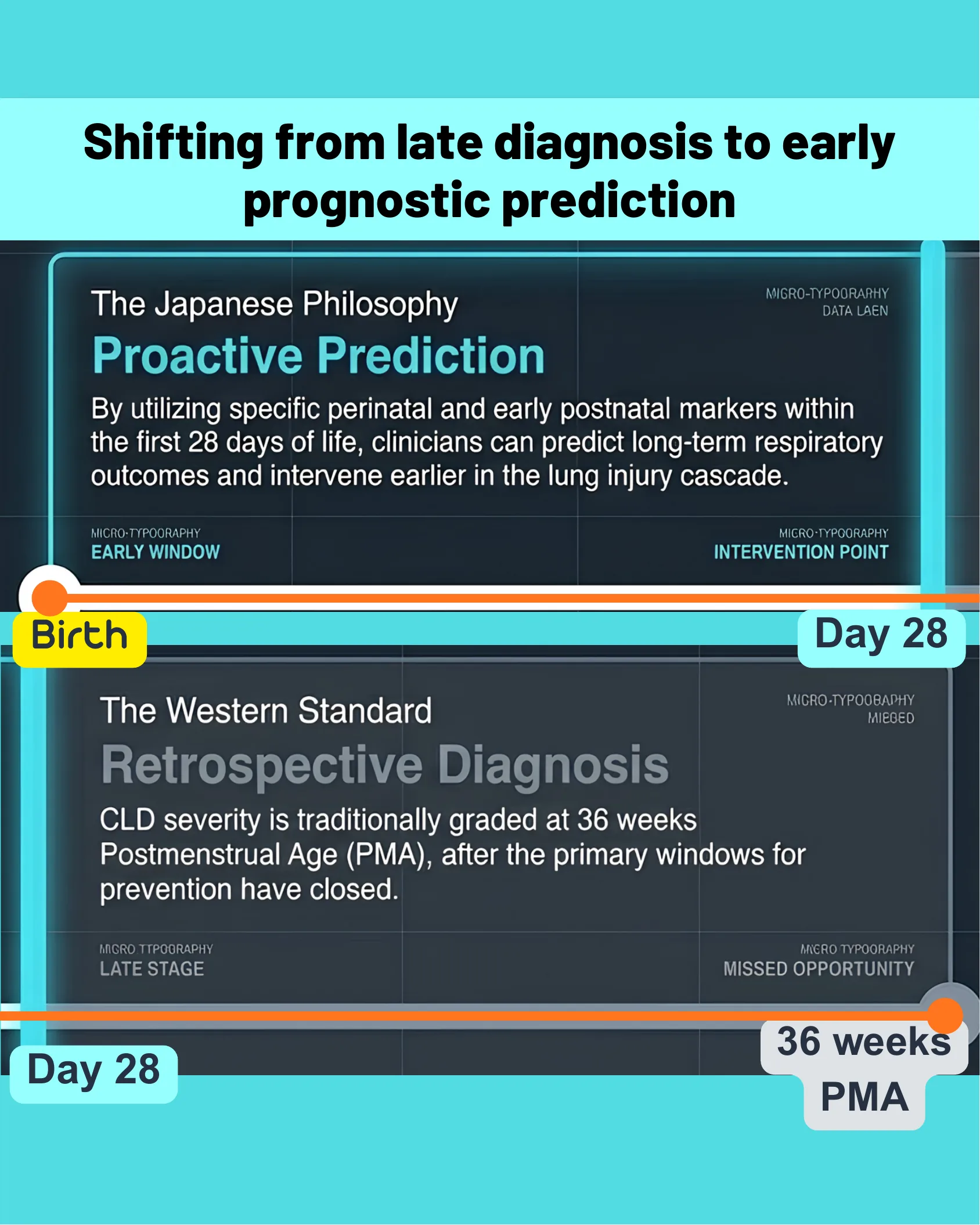
Shifting from late diagnosis to early prognostic prediction
The Japanese Philosophy
Proactive Prediction
By utilizing specific perinatal and early postnatal markers within the first 28 days of life, clinicians can predict long-term respiratory outcomes and intervene earlier in the lung injury cascade.
- Early Window
- Intervention Point
Birth — Day 28
The Western Standard
Retrospective Diagnosis
CLD severity is traditionally graded at 36 weeks Postmenstrual Age (PMA), after the primary windows for prevention have closed.
- Late Stage
- Missed Opportunity
Day 28 — 36 weeks PMA
The Three Pillars of the 2023 Revised Japanese Classification
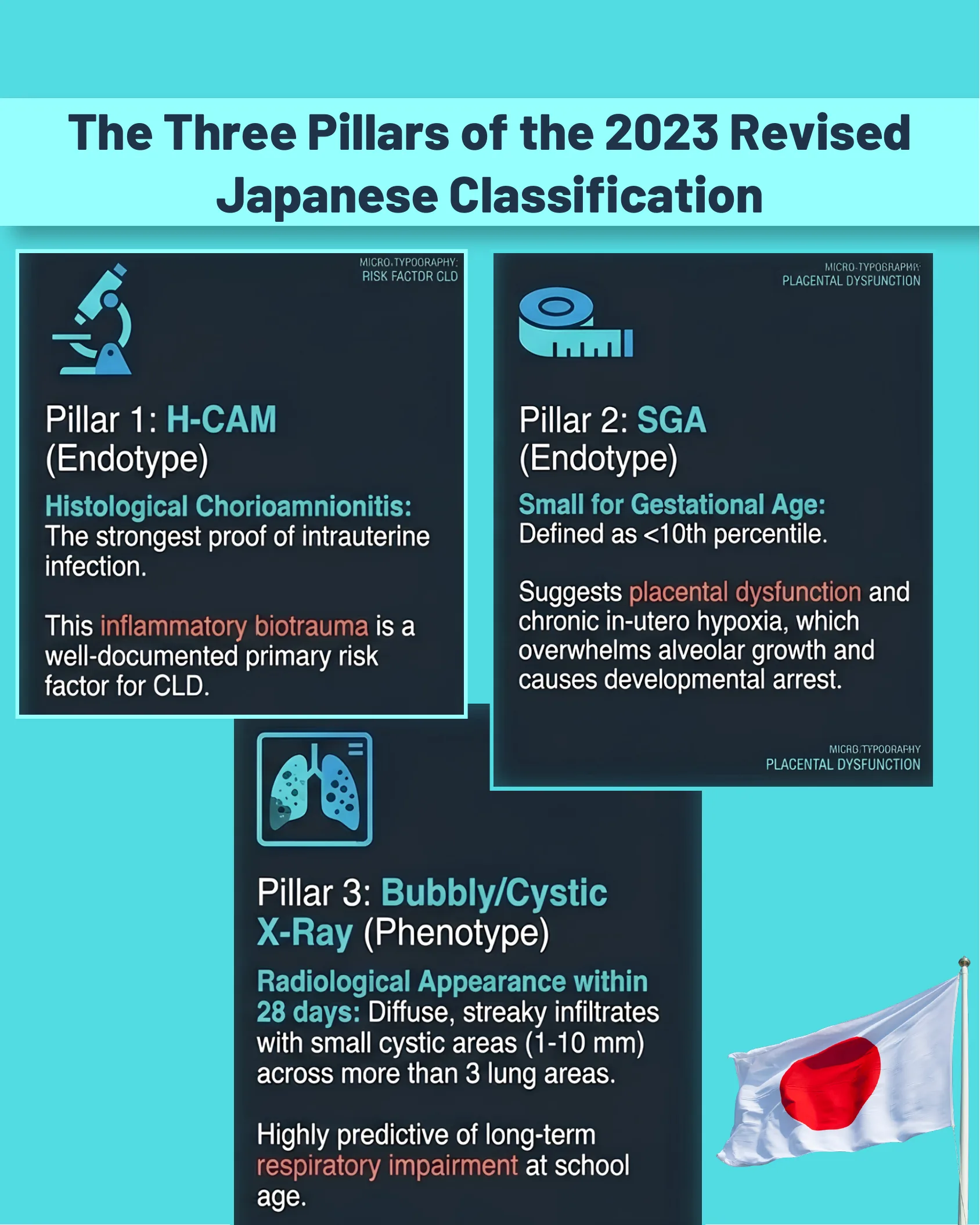
The Three Pillars of the 2023 Revised Japanese Classification
Pillar 1: H-CAM (Endotype)
Histological Chorioamnionitis: The strongest proof of intrauterine infection.
This inflammatory biotrauma is a well-documented primary risk factor for CLD.
Pillar 2: SGA (Endotype)
Small for Gestational Age: Defined as <10th percentile.
Suggests placental dysfunction and chronic in-utero hypoxia, which overwhelms alveolar growth and causes developmental arrest.
Pillar 3: Bubbly/Cystic X-Ray (Phenotype)
Radiological Appearance within 28 days: Diffuse, streaky infiltrates with small cystic areas (1-10 mm) across more than 3 lung areas.
Highly predictive of long-term respiratory impairment at school age.
Bubbly/Cystic Appearance on Chest X-Ray
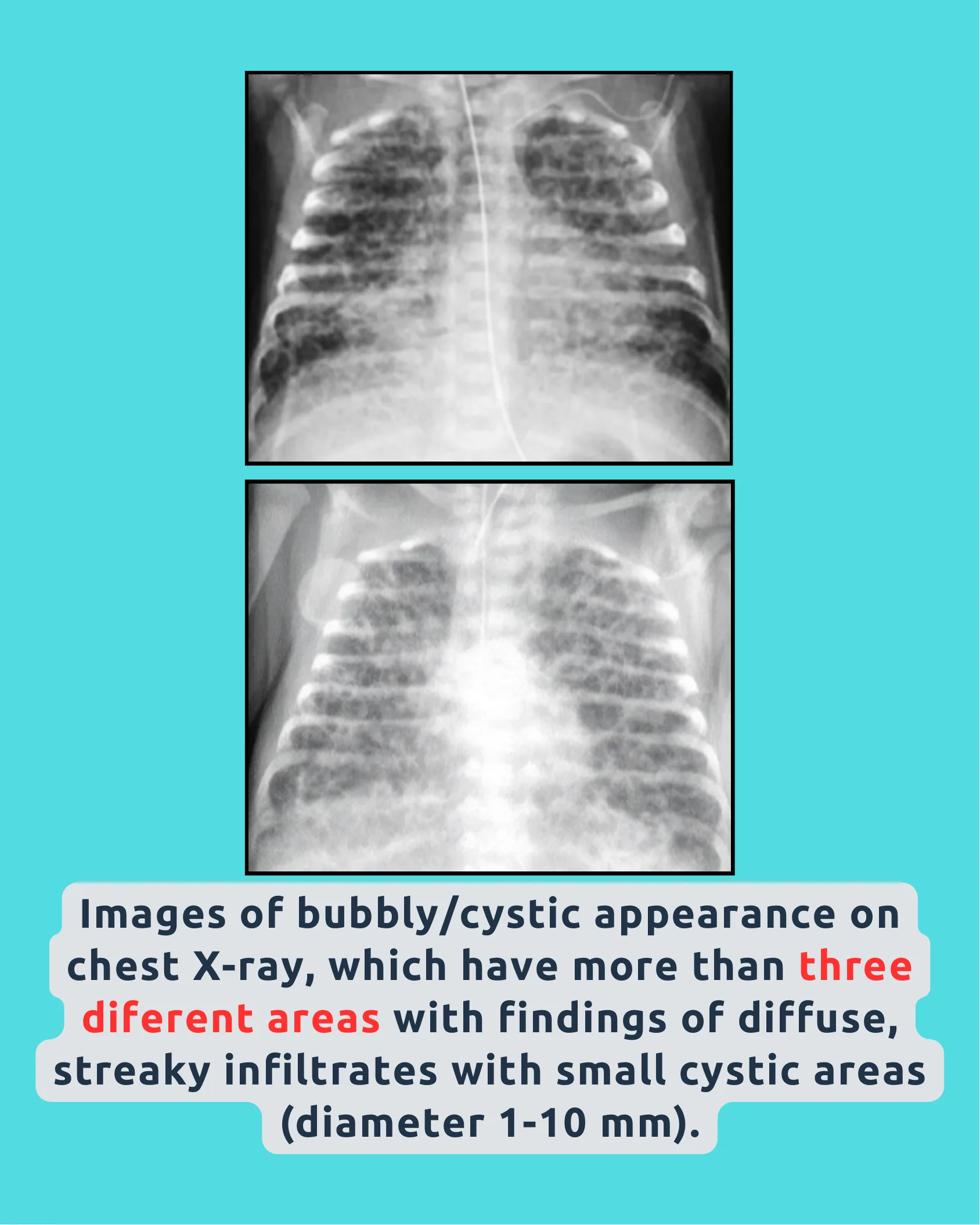
Images of bubbly/cystic appearance on chest X-ray, which have more than three different areas with findings of diffuse, streaky infiltrates with small cystic areas (diameter 1-10 mm).
Nonbubbly/Cystic Appearance on Chest X-Ray
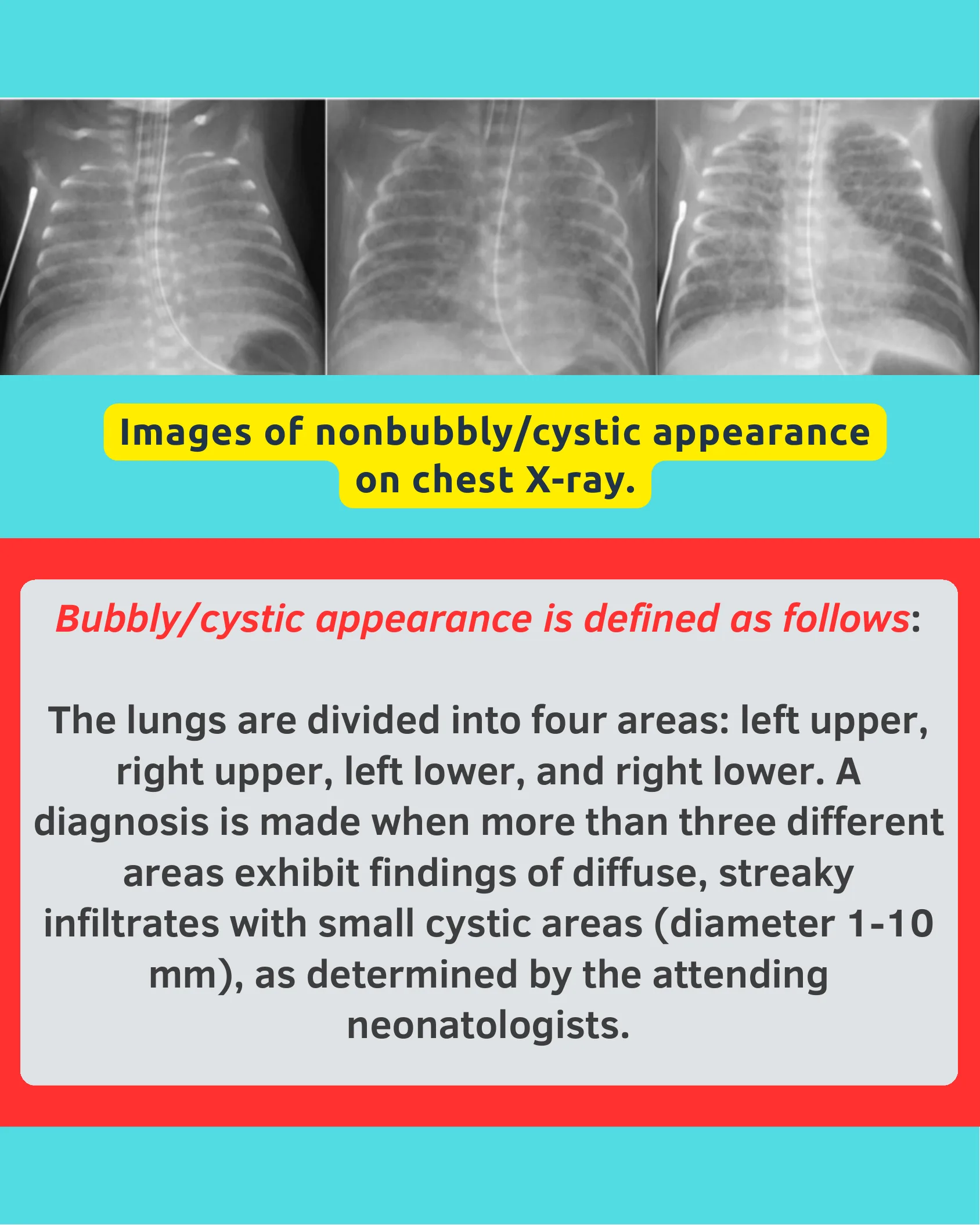
Images of nonbubbly/cystic appearance on chest X-ray.
Bubbly/cystic appearance is defined as follows:
The lungs are divided into four areas: left upper, right upper, left lower, and right lower. A diagnosis is made when more than three different areas exhibit findings of diffuse, streaky infiltrates with small cystic areas (diameter 1-10 mm), as determined by the attending neonatologists.
The Diagnostic Matrix: Classifying CLD Types I through V
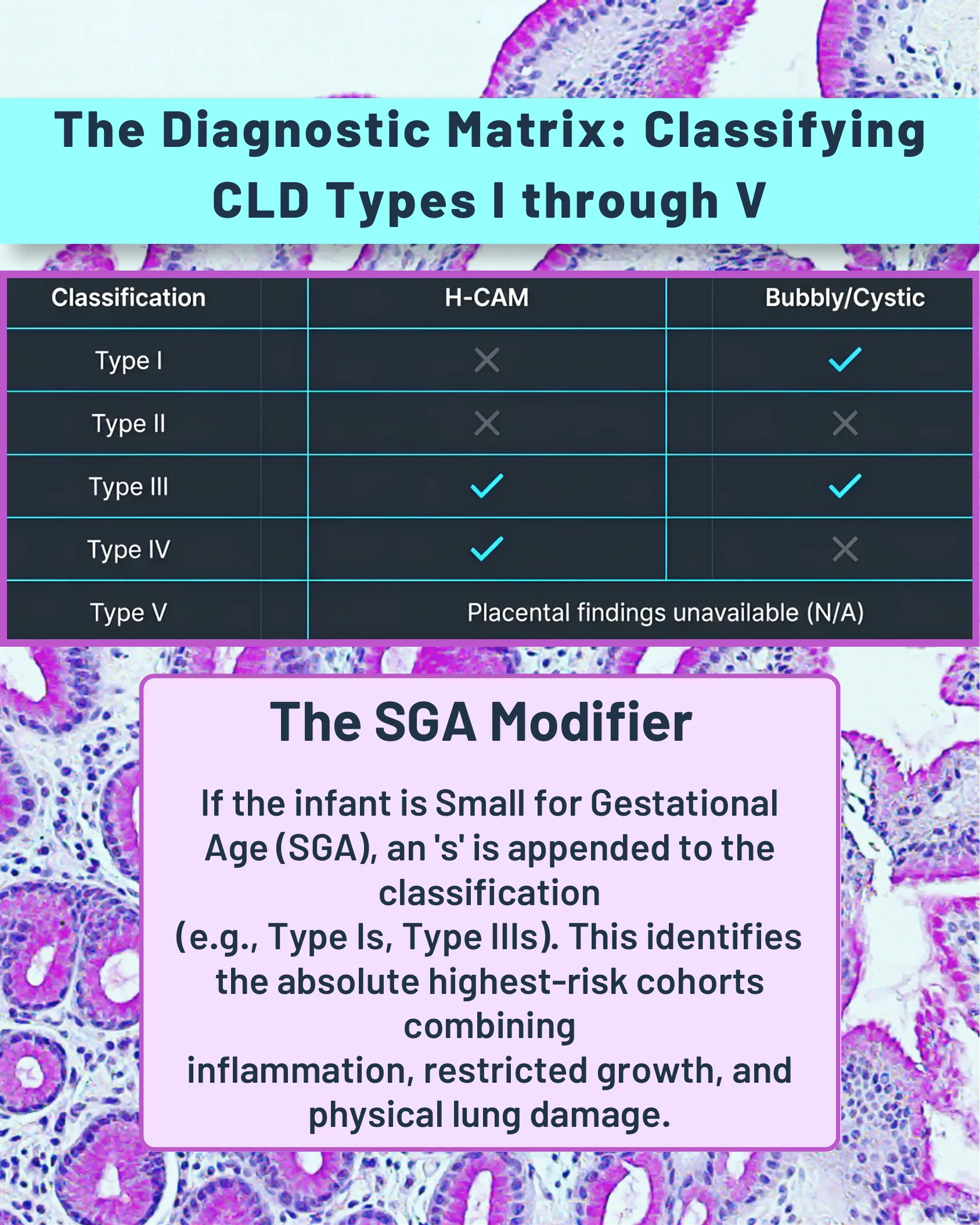
The Diagnostic Matrix: Classifying CLD Types I through V
| Classification | H-CAM | Bubbly/Cystic |
|---|---|---|
| Type I | ✗ | ✓ |
| Type II | ✗ | ✗ |
| Type III | ✓ | ✓ |
| Type IV | ✓ | ✗ |
| Type V | Placental findings unavailable (N/A) | |
The SGA Modifier
If the infant is Small for Gestational Age (SGA), an ‘s’ is appended to the classification (e.g., Type Is, Type IIIs). This identifies the absolute highest-risk cohorts combining inflammation, restricted growth, and physical lung damage.
Postnatal Prevention Strategy: Delivery Room Resuscitation
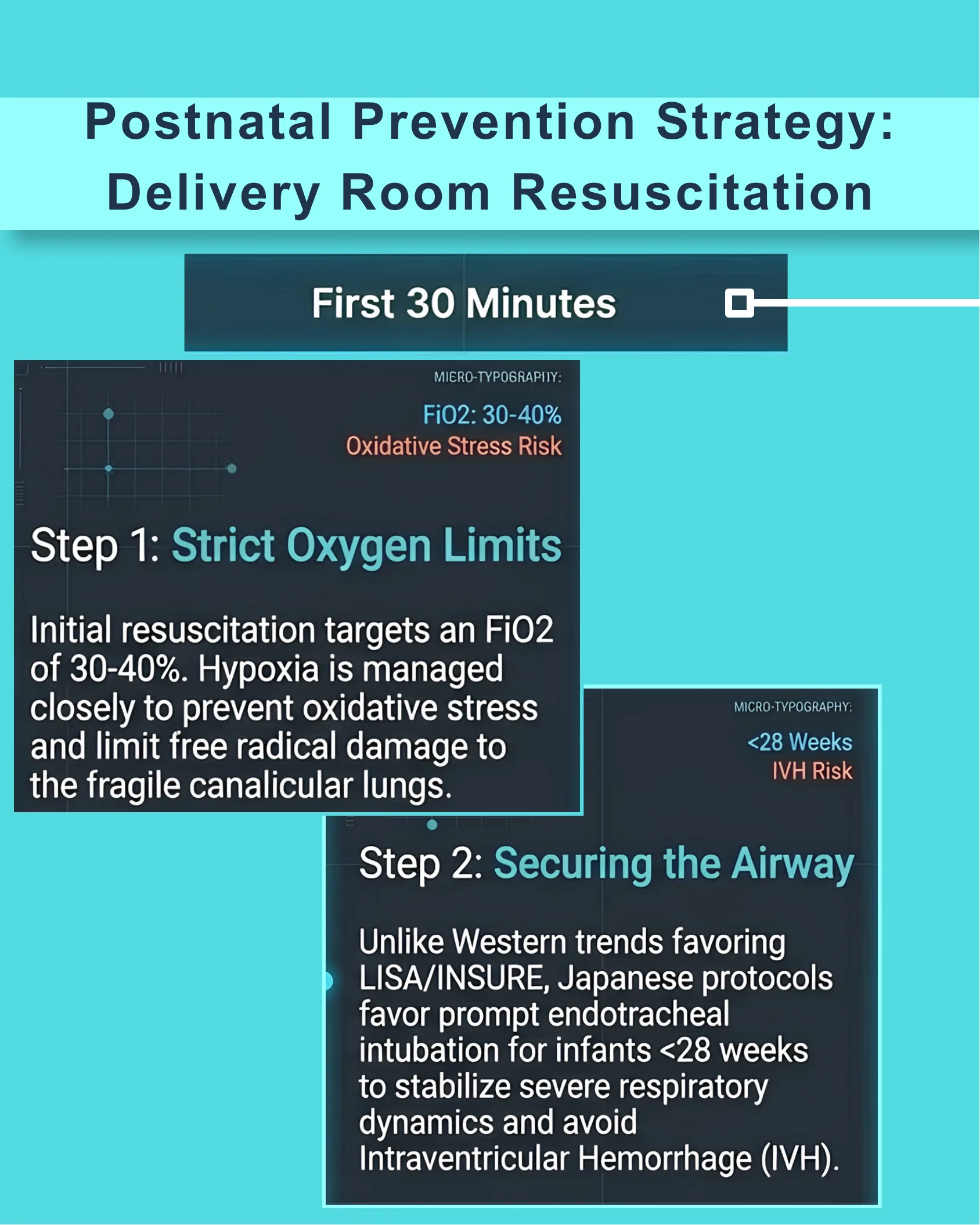
Postnatal Prevention Strategy: Delivery Room Resuscitation
First 30 Minutes
Step 1: Strict Oxygen Limits
Micro-typography: FiO2: 30-40% / Oxidative Stress Risk
Initial resuscitation targets an FiO2 of 30-40%. Hypoxia is managed closely to prevent oxidative stress and limit free radical damage to the fragile canalicular lungs.
Step 2: Securing the Airway
Micro-typography: <28 Weeks / IVH Risk
Unlike Western trends favoring LISA/INSURE, Japanese protocols favor prompt endotracheal intubation for infants <28 weeks to stabilize severe respiratory dynamics and avoid Intraventricular Hemorrhage (IVH).
Postnatal Prevention Strategy: Delivery Room Resuscitation (continued)
Postnatal Prevention Strategy: Delivery Room Resuscitation
First 30 Minutes
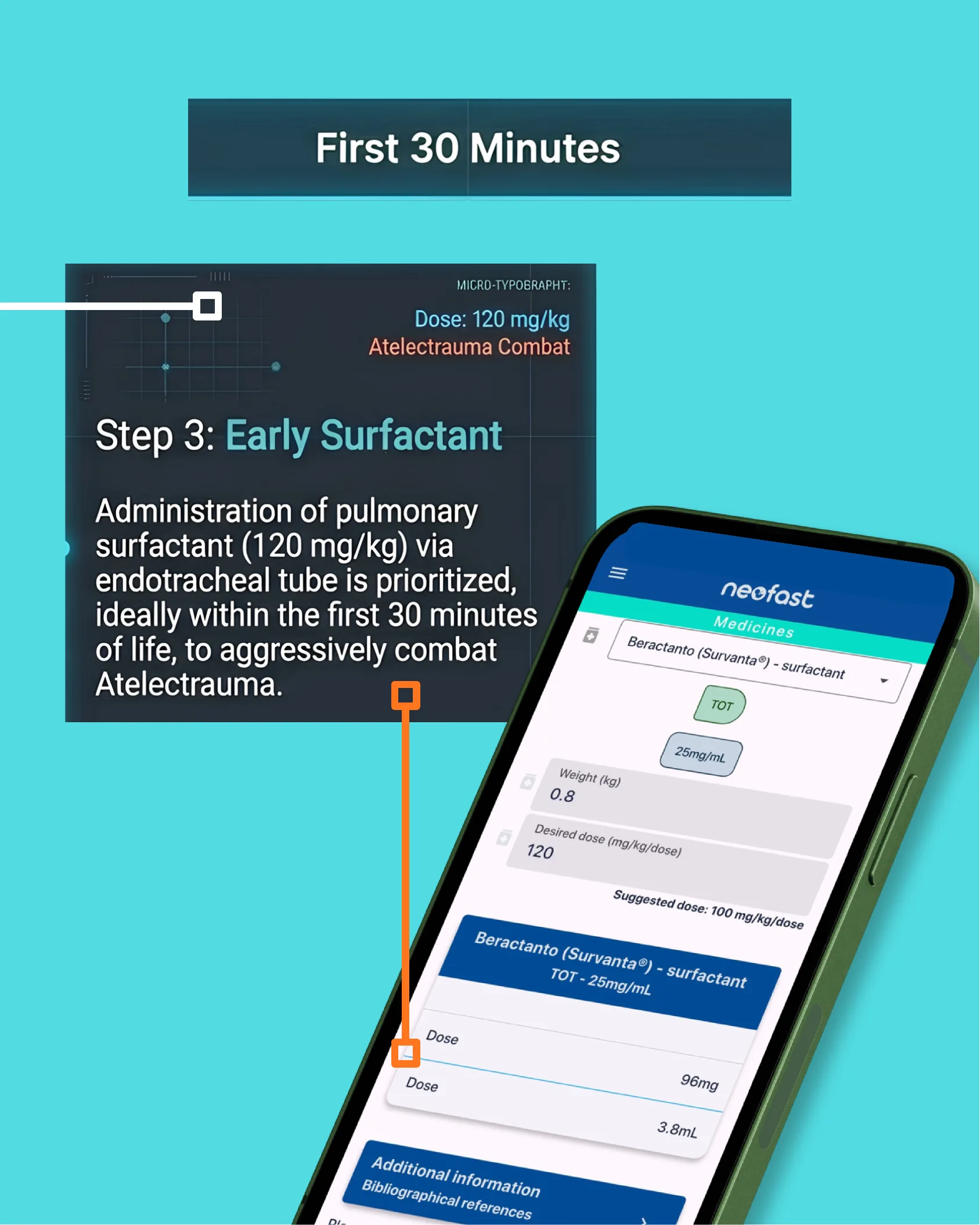
Step 3: Early Surfactant
Micro-typography: Dose: 120 mg/kg / Atelectrauma Combat
Administration of pulmonary surfactant (120 mg/kg) via endotracheal tube is prioritized, ideally within the first 30 minutes of life, to aggressively combat Atelectrauma.
App Reference: neofast – Medicines
- Beractanto (Survanta®) – surfactant
- TOT – 25mg/mL
- Weight (kg): 0.8
- Desired dose (mg/kg/dose): 120
- Suggested dose: 100 mg/kg/dose
- Beractanto (Survanta®) – surfactant, TOT – 25mg/mL
- Dose: 96mg
- Dose: 3.8mL
- Additional information
- Bibliographical references
First-Line Respiratory Support: The HFOV Advantage
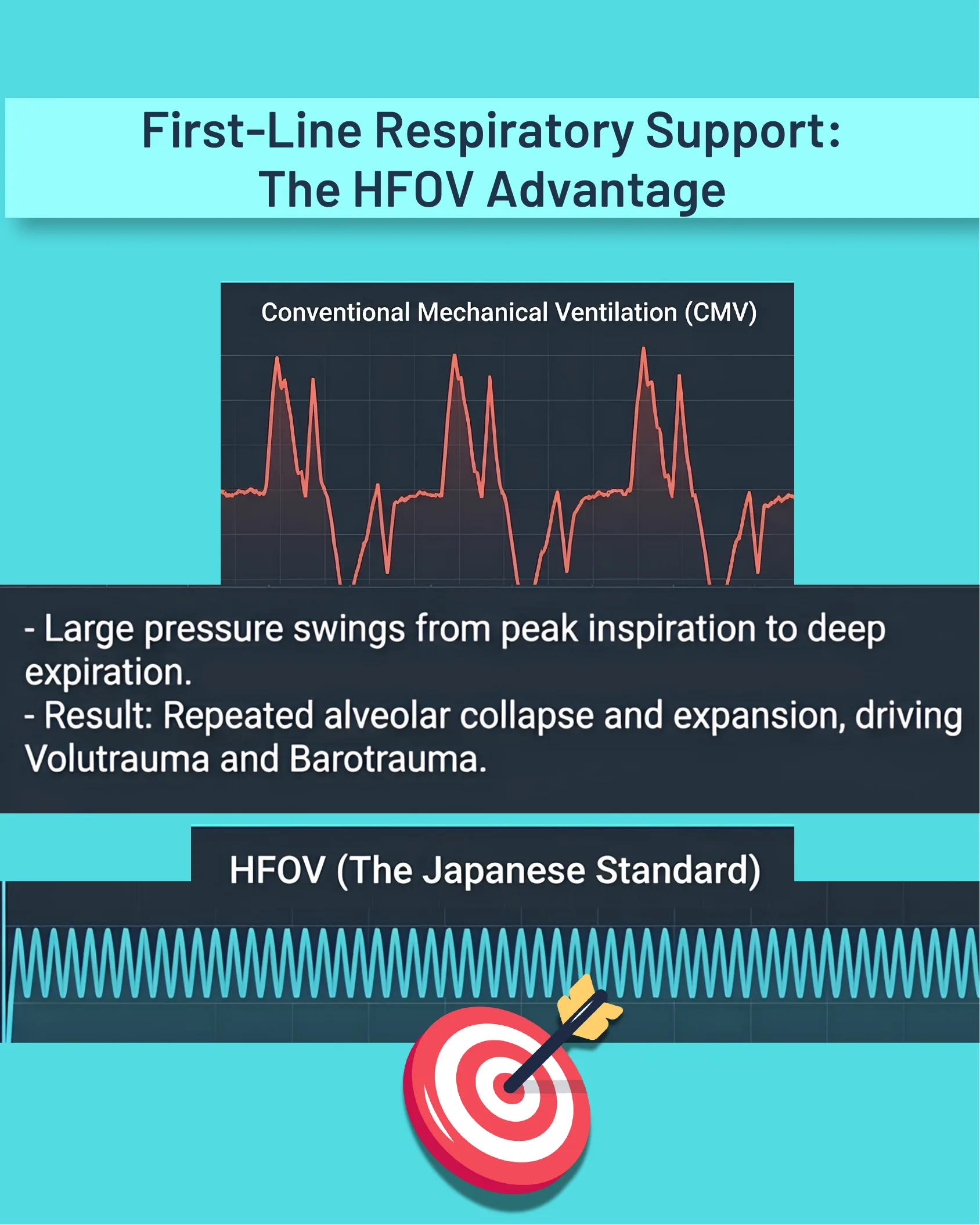
First-Line Respiratory Support: The HFOV Advantage
Conventional Mechanical Ventilation (CMV)
- Large pressure swings from peak inspiration to deep expiration.
- Result: Repeated alveolar collapse and expansion, driving Volutrauma and Barotrauma.
HFOV (The Japanese Standard)
Target icon indicates precision ventilation strategy.
First-Line Respiratory Support: The HFOV Advantage (continued)
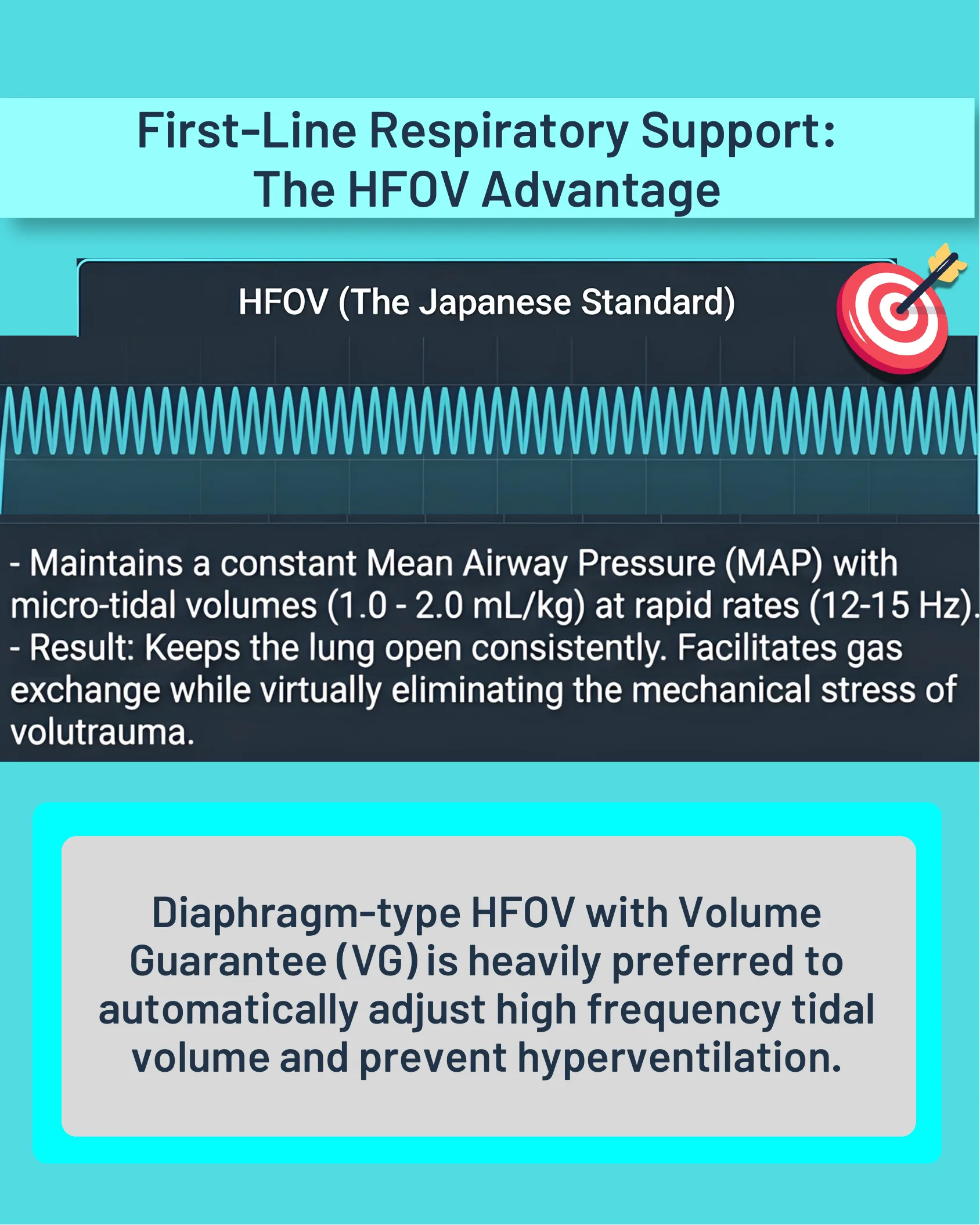
First-Line Respiratory Support: The HFOV Advantage
HFOV (The Japanese Standard)
- Maintains a constant Mean Airway Pressure (MAP) with micro-tidal volumes (1.0 – 2.0 mL/kg) at rapid rates (12-15 Hz).
- Result: Keeps the lung open consistently. Facilitates gas exchange while virtually eliminating the mechanical stress of volutrauma.
Diaphragm-type HFOV with Volume Guarantee (VG) is heavily preferred to automatically adjust high frequency tidal volume and prevent hyperventilation.
Advanced Ventilation: Weaning to Non-Invasive Care
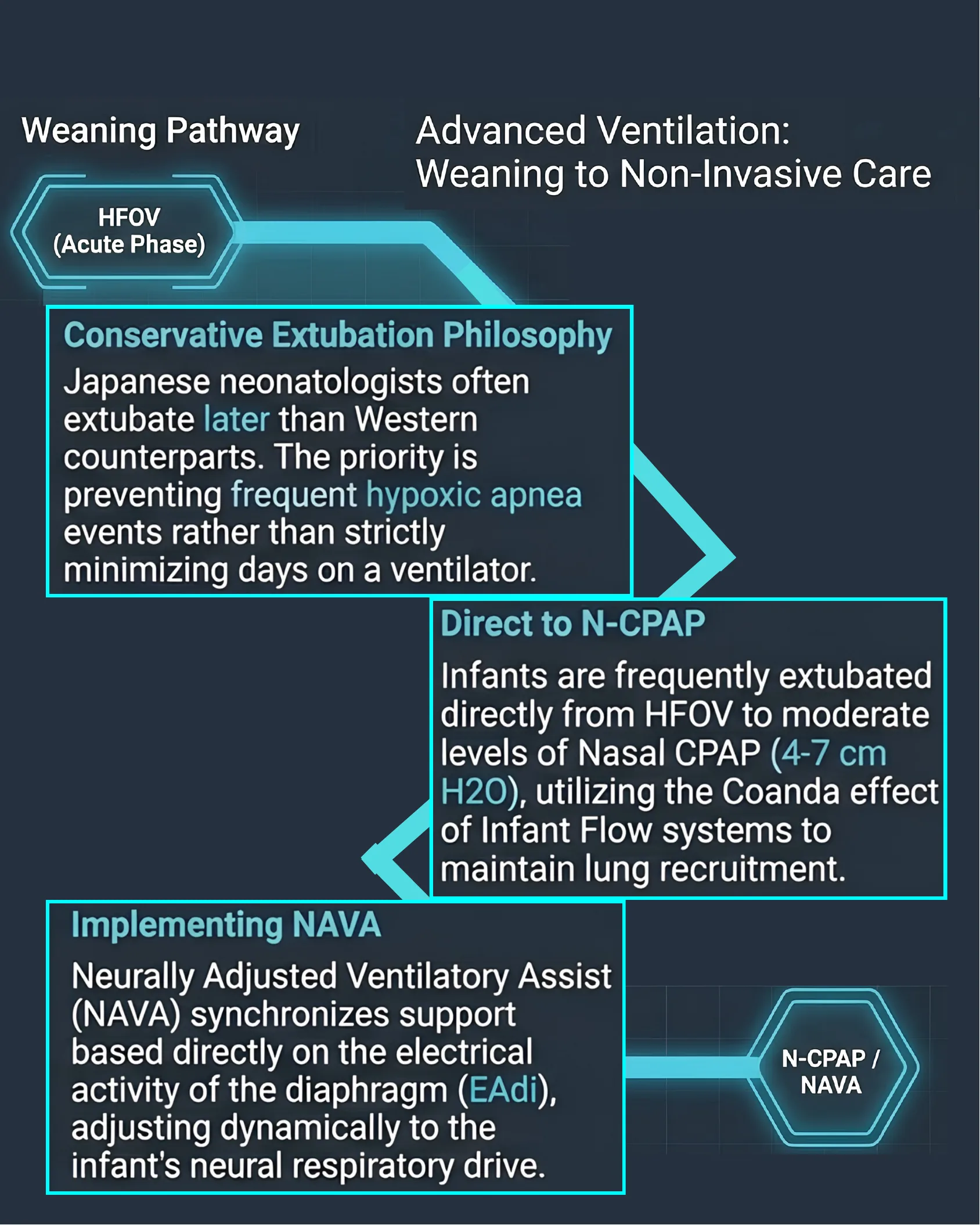
Advanced Ventilation: Weaning to Non-Invasive Care
Weaning Pathway
- HFOV (Acute Phase)
Conservative Extubation Philosophy
Japanese neonatologists often extubate later than Western counterparts. The priority is preventing frequent hypoxic apnea events rather than strictly minimizing days on a ventilator.
Direct to N-CPAP
Infants are frequently extubated directly from HFOV to moderate levels of Nasal CPAP (4-7 cm H2O), utilizing the Coanda effect of Infant Flow systems to maintain lung recruitment.
Implementing NAVA
Neurally Adjusted Ventilatory Assist (NAVA) synchronizes support based directly on the electrical activity of the diaphragm (EAdi), adjusting dynamically to the infant’s neural respiratory drive.
- N-CPAP / NAVA
Pharmacological Protocols for CLD Prevention
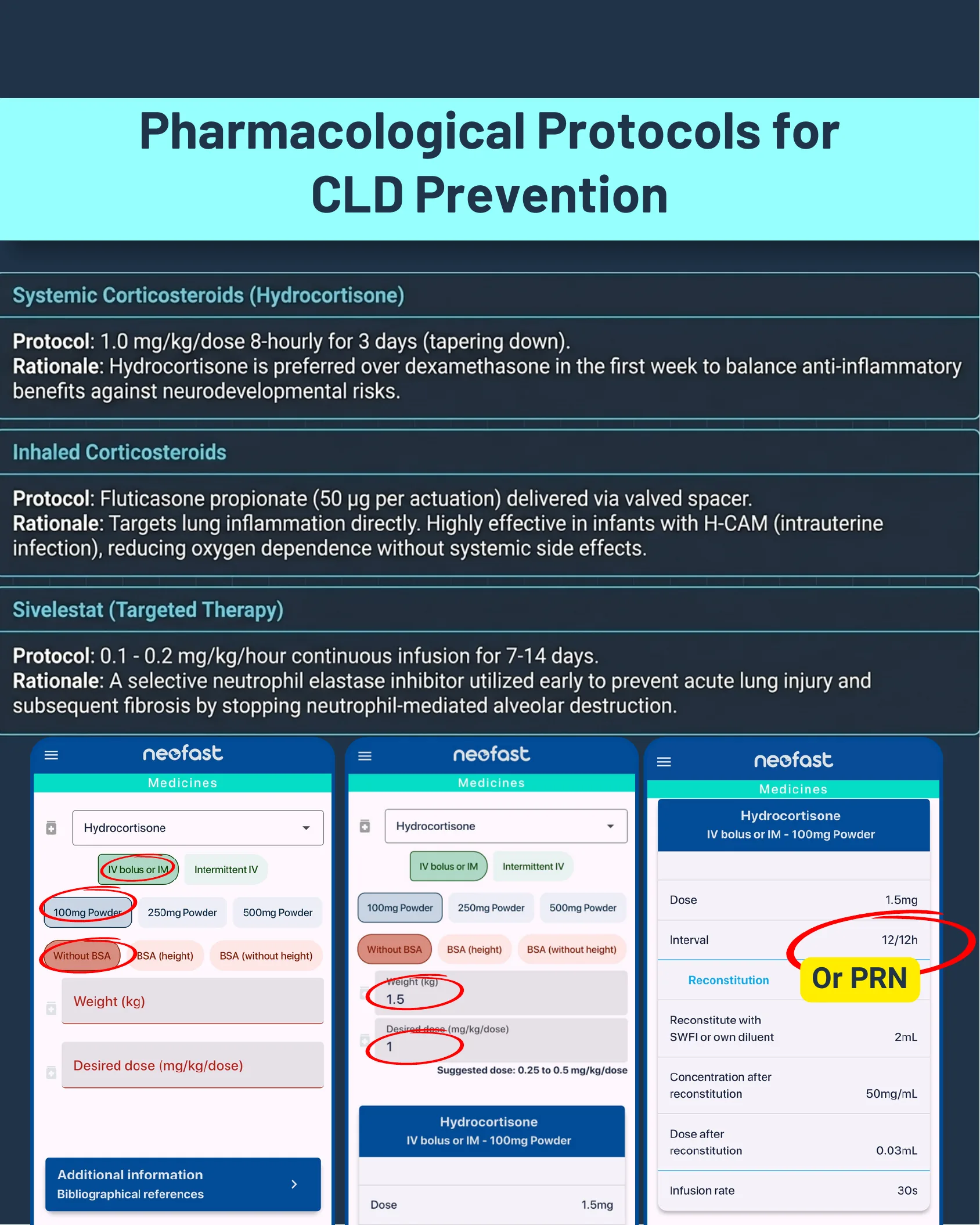
Pharmacological Protocols for CLD Prevention
Systemic Corticosteroids (Hydrocortisone)
Protocol: 1.0 mg/kg/dose 8-hourly for 3 days (tapering down).
Rationale: Hydrocortisone is preferred over dexamethasone in the first week to balance anti-inflammatory benefits against neurodevelopmental risks.
Inhaled Corticosteroids
Protocol: Fluticasone propionate (50 µg per actuation) delivered via valved spacer.
Rationale: Targets lung inflammation directly. Highly effective in infants with H-CAM (intrauterine infection), reducing oxygen dependence without systemic side effects.
Sivelestat (Targeted Therapy)
Protocol: 0.1 – 0.2 mg/kg/hour continuous infusion for 7-14 days.
Rationale: A selective neutrophil elastase inhibitor utilized early to prevent acute lung injury and subsequent fibrosis by stopping neutrophil-mediated alveolar destruction.
App Reference: neofast – Medicines (Hydrocortisone)
- IV bolus or IM / Intermittent IV
- 100mg Powder / 250mg Powder / 500mg Powder
- Without BSA / BSA (height) / BSA (without height)
- Weight (kg): 1.5
- Desired dose (mg/kg/dose): 1
- Suggested dose: 0.25 to 0.5 mg/kg/dose
- Hydrocortisone IV bolus or IM – 100mg Powder
- Dose: 1.5mg
- Interval: 12/12h (Or PRN)
- Reconstitution: Reconstitute with SWFI or own diluent – 2mL
- Concentration after reconstitution: 50mg/mL
- Dose after reconstitution: 0.03mL
- Infusion rate: 30s
Managing CLD-PH with Inhaled Nitric Oxide (iNO)
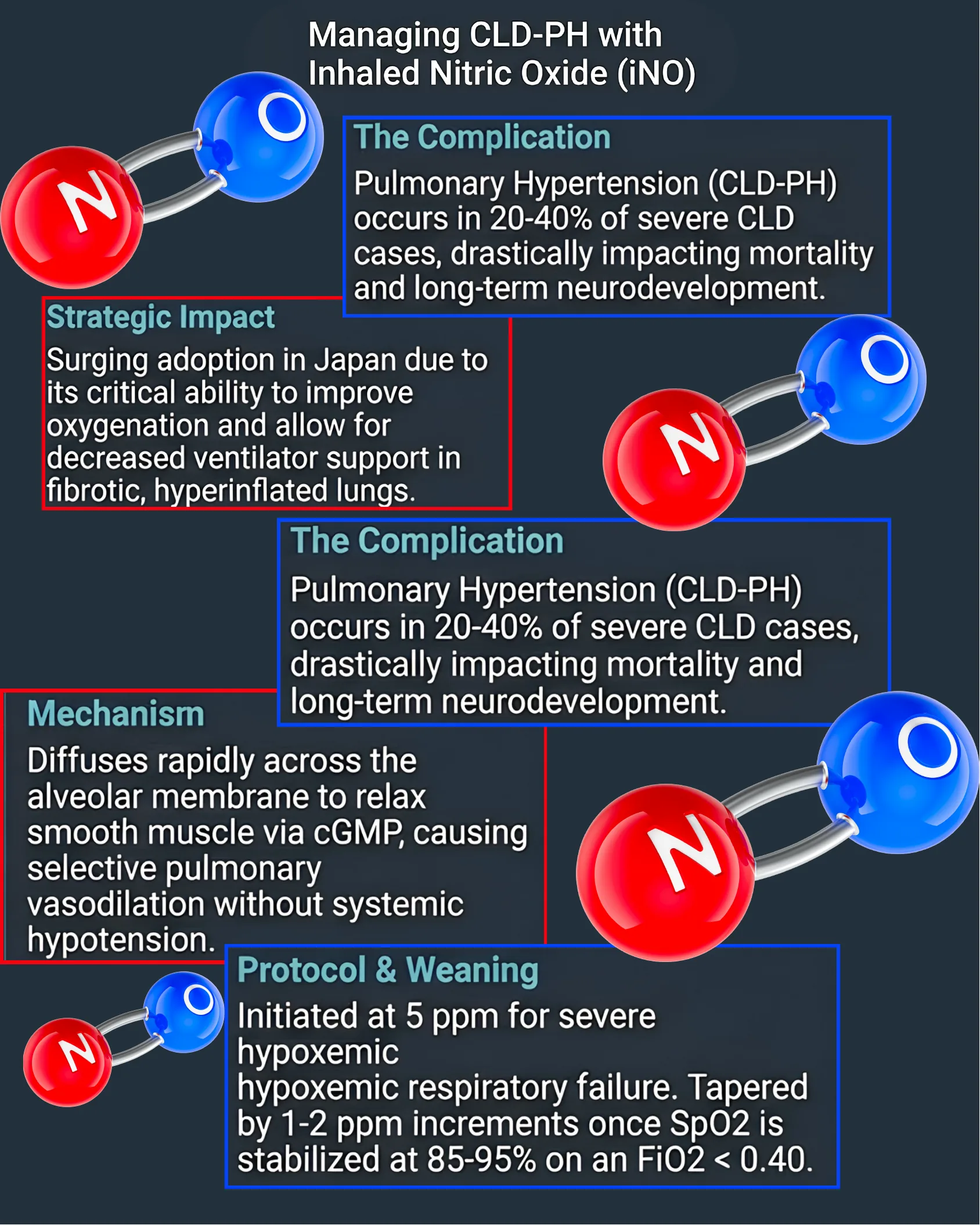
Managing CLD-PH with Inhaled Nitric Oxide (iNO)
The Complication
Pulmonary Hypertension (CLD-PH) occurs in 20-40% of severe CLD cases, drastically impacting mortality and long-term neurodevelopment.
Strategic Impact
Surging adoption in Japan due to its critical ability to improve oxygenation and allow for decreased ventilator support in fibrotic, hyperinflated lungs.
Mechanism
Diffuses rapidly across the alveolar membrane to relax smooth muscle via cGMP, causing selective pulmonary vasodilation without systemic hypotension.
Protocol & Weaning
Initiated at 5 ppm for severe hypoxemic respiratory failure. Tapered by 1-2 ppm increments once SpO2 is stabilized at 85-95% on an FiO2 < 0.40.
Synthesis: The Japanese NICU Precision Blueprint
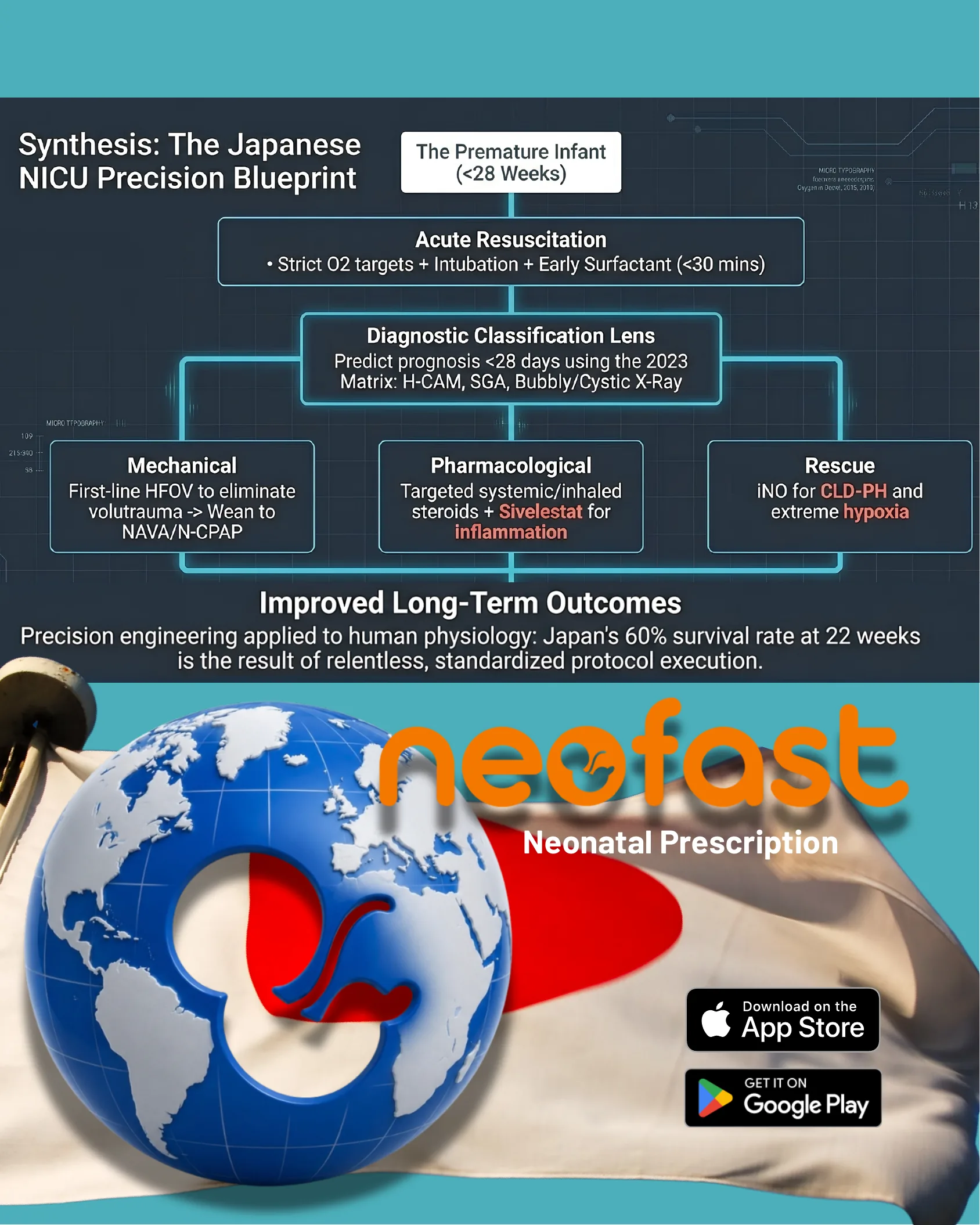
Synthesis: The Japanese NICU Precision Blueprint
- The Premature Infant (<28 Weeks)
Acute Resuscitation
- Strict O2 targets + Intubation + Early Surfactant (<30 mins)
Diagnostic Classification Lens
- Predict prognosis <28 days using the 2023 Matrix: H-CAM, SGA, Bubbly/Cystic X-Ray
Mechanical
- First-line HFOV to eliminate volutrauma -> Wean to NAVA/N-CPAP
Pharmacological
- Targeted systemic/inhaled steroids + Sivelestat for inflammation
Rescue
- iNO for CLD-PH and extreme hypoxia
Improved Long-Term Outcomes
Precision engineering applied to human physiology: Japan’s 60% survival rate at 22 weeks is the result of relentless, standardized protocol execution.
neofast — Neonatal Prescription
- Download on the App Store
- Get it on Google Play
Frequently asked questions
What is the bubbly/cystic chest X-ray finding used in the 2023 Japanese CLD classification?
It is defined as diffuse, streaky infiltrates with small cystic areas (diameter 1-10 mm) present in more than three of the four lung areas (left upper, right upper, left lower, right lower) within 28 days of life, as determined by the attending neonatologist. This finding is highly predictive of long-term respiratory impairment at school age.
How does the 2023 Japanese CLD classification system (Types I-V) work?
Infants are classified based on two endotype/phenotype markers: H-CAM (Histological Chorioamnionitis) and Bubbly/Cystic X-ray appearance. Type I is H-CAM negative/Bubbly-Cystic positive, Type II is negative for both, Type III is positive for both, Type IV is H-CAM positive/Bubbly-Cystic negative, and Type V applies when placental findings are unavailable (N/A). If the infant is also Small for Gestational Age (SGA, <10th percentile), an ‘s’ is appended (e.g., Type Is, Type IIIs) to denote the highest-risk group.
What is the surfactant dosing protocol used in Japanese delivery room resuscitation for extremely preterm infants?
Pulmonary surfactant is administered via endotracheal tube at a dose of 120 mg/kg, ideally within the first 30 minutes of life, to aggressively combat atelectrauma.
What is the hydrocortisone protocol for CLD prevention, and why is it preferred over dexamethasone?
The protocol is 1.0 mg/kg/dose given every 8 hours for 3 days with a tapering schedule. Hydrocortisone is preferred over dexamethasone in the first week of life to balance anti-inflammatory benefits against neurodevelopmental risks.
How is inhaled nitric oxide (iNO) dosed and weaned for CLD-associated pulmonary hypertension (CLD-PH)?
iNO is initiated at 5 ppm for severe hypoxemic respiratory failure and tapered in 1-2 ppm increments once SpO2 is stabilized at 85-95% on an FiO2 below 0.40. CLD-PH occurs in 20-40% of severe CLD cases and significantly impacts mortality and long-term neurodevelopment.