Key takeaways
- Neonatal hypoglycemia is defined as plasma glucose <40–45 mg/dL in a term or premature infant, and acute treatment should never be delayed for symptomatic infants while awaiting lab confirmation.
- Whole blood glucose readings are 10–15% lower than plasma glucose, and glucose oxidase strips are highly inaccurate below 40–50 mg/dL, so a stat serum sample must always confirm the diagnosis.
- Hypoglycemia occurs in approximately 40% of infants of diabetic mothers (IDM), typically presenting 1–2 hours post-delivery due to postnatal hyperinsulinism, whereas SGA/IUGR infants typically present 6–12 hours post-delivery due to diminished glycogen reserves.
- The acute IV protocol for symptomatic hypoglycemia is a D10W bolus of 2–4 mL/kg (250–500 mg/kg) via slow IV push, followed by a continuous D10W infusion at 6–8 mg/kg/min, with glucose checks every 30 minutes until stable then every 4 hours.
- Persistent hypoglycemia—lasting >7 days or requiring IV glucose >16–20 mg/kg/min—warrants endocrine consultation and a definitive diagnostic workup; IV glucose should never be weaned blindly as this can mask underlying endocrine or metabolic disorders.
References
- Gomella, T. L. (2004). Neonatology: Management, Procedures, On-Call Problems, Diseases, and Drugs (5th ed.). McGraw-Hill.
Neonatal Hypoglycemia: Clinical Management & Diagnostic Pathways
A visual protocol for neonatologists
Source Material:
Gomella, T. L. (2004). Neonatology: Management, Procedures, On-Call Problems, Diseases, and Drugs (5th ed.). McGraw-Hill.
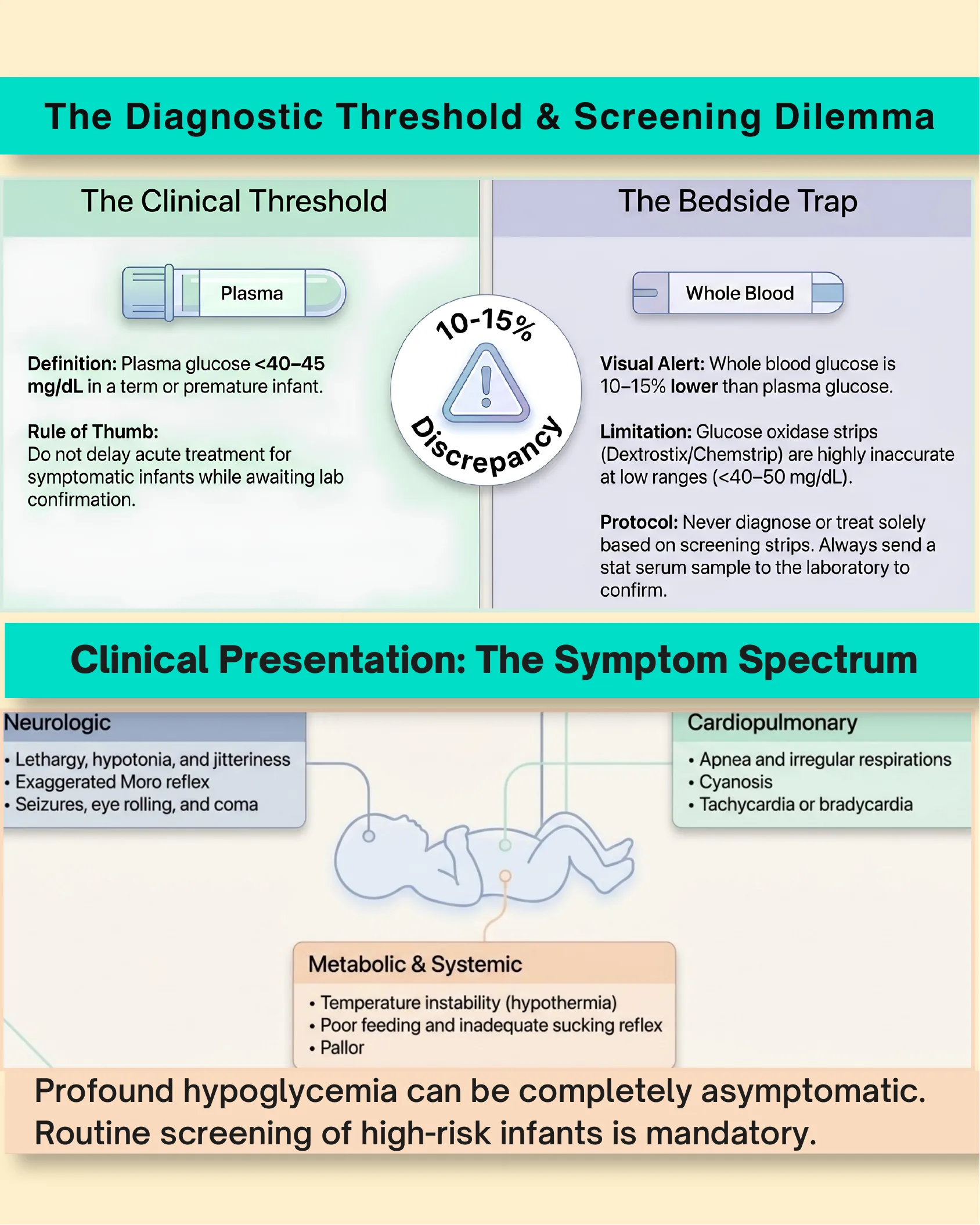
The Diagnostic Threshold & Screening Dilemma
The Diagnostic Threshold & Screening Dilemma
The Clinical Threshold
Definition: Plasma glucose <40–45 mg/dL in a term or premature infant.
Rule of Thumb:
Do not delay acute treatment for symptomatic infants while awaiting lab confirmation.
The Bedside Trap
Visual Alert: Whole blood glucose is 10–15% lower than plasma glucose.
Limitation: Glucose oxidase strips (Dextrostix/Chemstrip) are highly inaccurate at low ranges (<40–50 mg/dL).
Protocol: Never diagnose or treat solely based on screening strips. Always send a stat serum sample to the laboratory to confirm.
10-15% Discrepancy
Clinical Presentation: The Symptom Spectrum
Neurologic
- Lethargy, hypotonia, and jitteriness
- Exaggerated Moro reflex
- Seizures, eye rolling, and coma
Cardiopulmonary
- Apnea and irregular respirations
- Cyanosis
- Tachycardia or bradycardia
Metabolic & Systemic
- Temperature instability (hypothermia)
- Poor feeding and inadequate sucking reflex
- Pallor
Profound hypoglycemia can be completely asymptomatic. Routine screening of high-risk infants is mandatory.
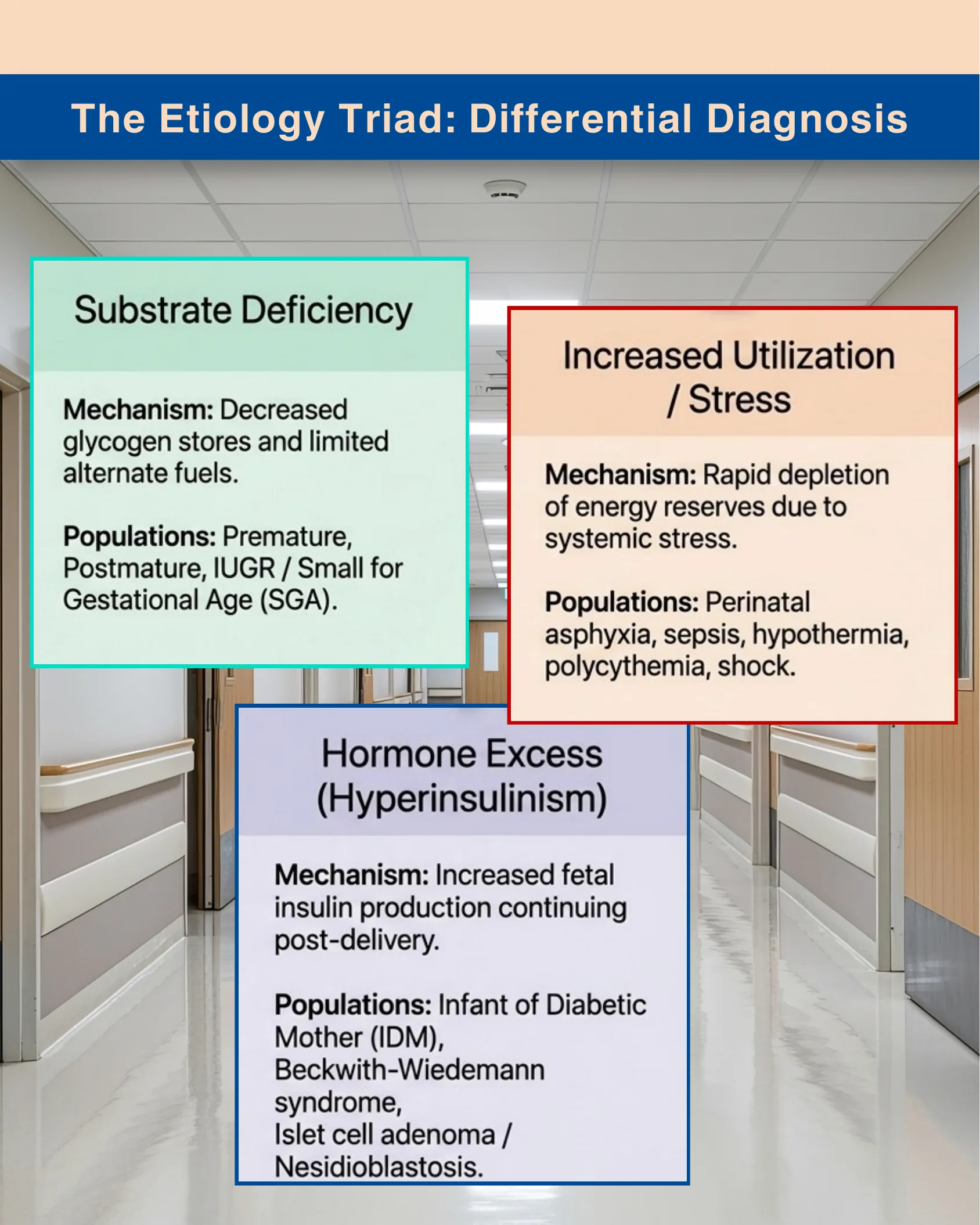
The Etiology Triad: Differential Diagnosis
The Etiology Triad: Differential Diagnosis
Substrate Deficiency
Mechanism: Decreased glycogen stores and limited alternate fuels.
Populations: Premature, Postmature, IUGR / Small for Gestational Age (SGA).
Increased Utilization / Stress
Mechanism: Rapid depletion of energy reserves due to systemic stress.
Populations: Perinatal asphyxia, sepsis, hypothermia, polycythemia, shock.
Hormone Excess (Hyperinsulinism)
Mechanism: Increased fetal insulin production continuing post-delivery.
Populations: Infant of Diabetic Mother (IDM), Beckwith-Wiedemann syndrome, Islet cell adenoma / Nesidioblastosis.
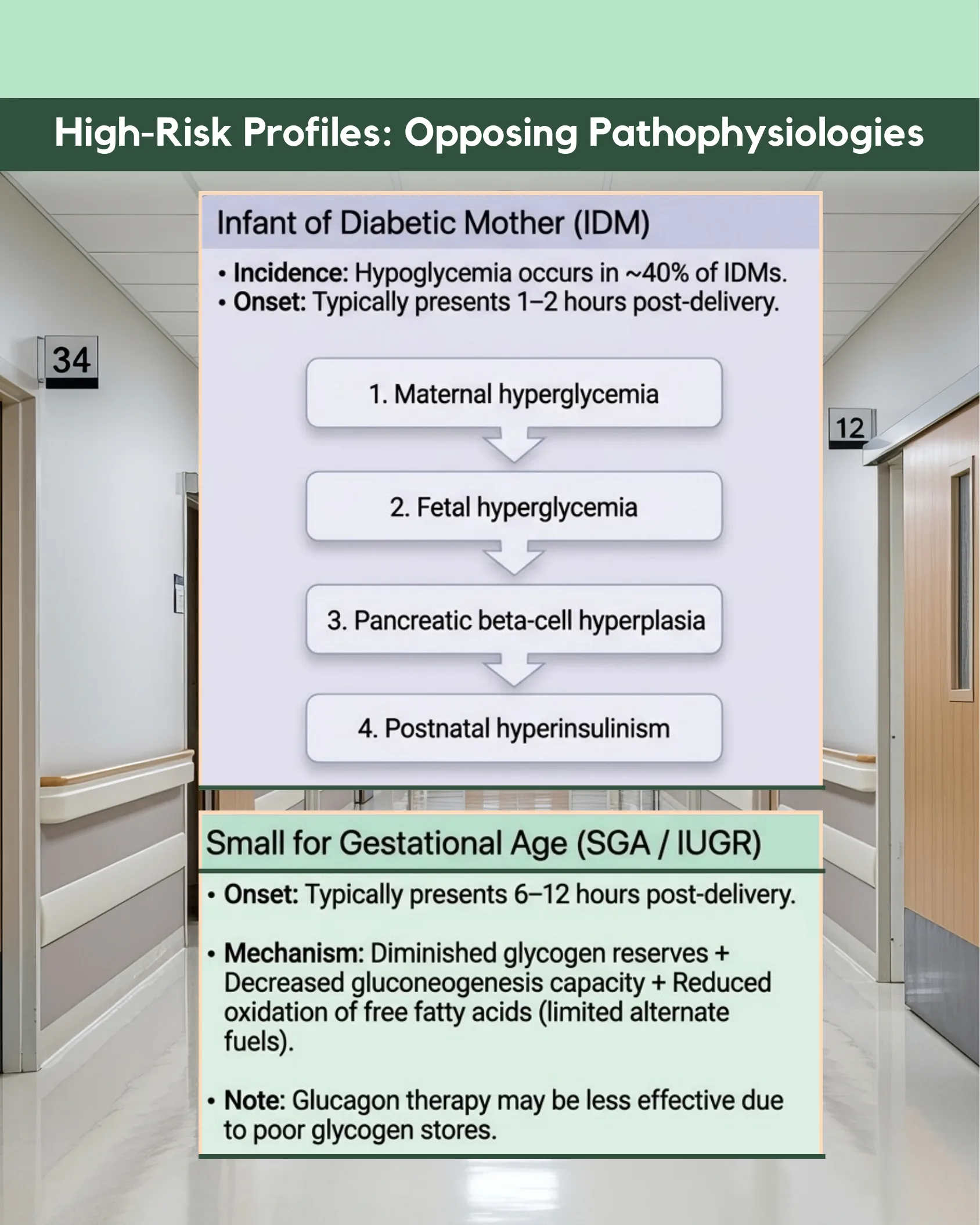
High-Risk Profiles: Opposing Pathophysiologies
High-Risk Profiles: Opposing Pathophysiologies
Infant of Diabetic Mother (IDM)
- Incidence: Hypoglycemia occurs in ~40% of IDMs.
- Onset: Typically presents 1–2 hours post-delivery.
- Maternal hyperglycemia
- Fetal hyperglycemia
- Pancreatic beta-cell hyperplasia
- Postnatal hyperinsulinism
Small for Gestational Age (SGA / IUGR)
- Onset: Typically presents 6–12 hours post-delivery.
- Mechanism: Diminished glycogen reserves + Decreased gluconeogenesis capacity + Reduced oxidation of free fatty acids (limited alternate fuels).
- Note: Glucagon therapy may be less effective due to poor glycogen stores.
Acute Triage & Initial Management
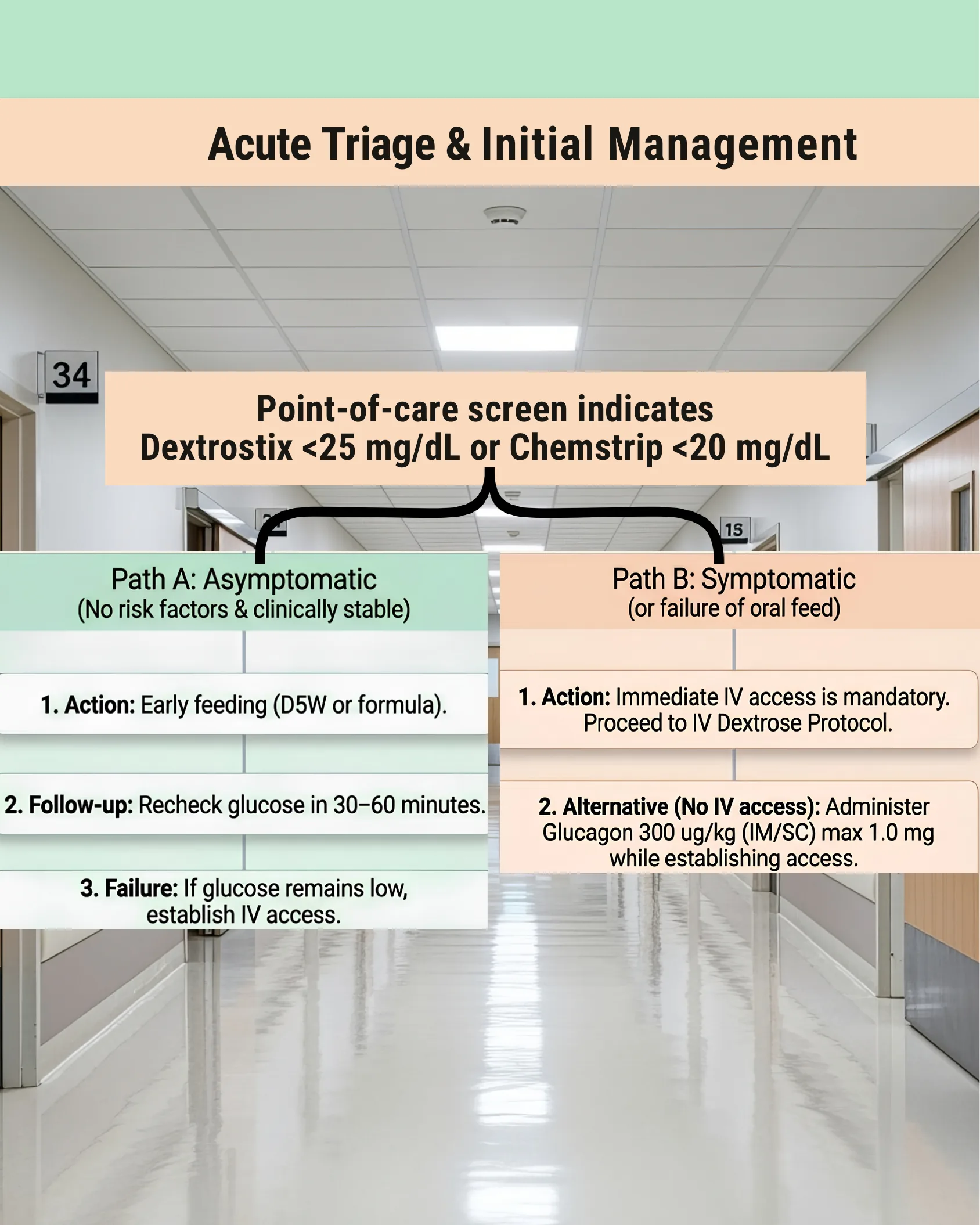
Acute Triage & Initial Management
Point-of-care screen indicates Dextrostix <25 mg/dL or Chemstrip <20 mg/dL
Path A: Asymptomatic (No risk factors & clinically stable)
- Action: Early feeding (D5W or formula).
- Follow-up: Recheck glucose in 30–60 minutes.
- Failure: If glucose remains low, establish IV access.
Path B: Symptomatic (or failure of oral feed)
- Action: Immediate IV access is mandatory. Proceed to IV Dextrose Protocol.
- Alternative (No IV access): Administer Glucagon 300 ug/kg (IM/SC) max 1.0 mg while establishing access.
Glucagon Dosing Reference (App Screenshots)
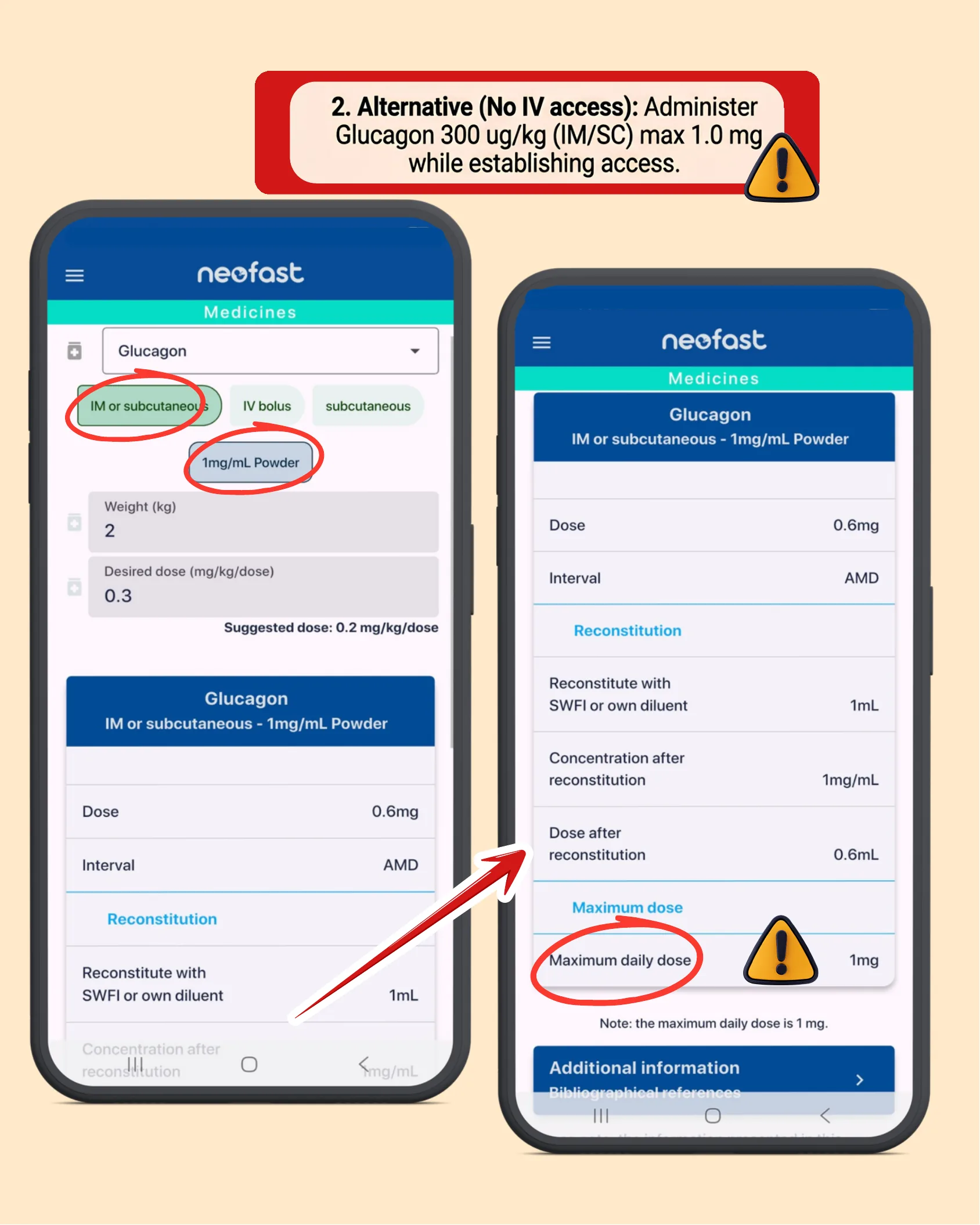
2. Alternative (No IV access): Administer Glucagon 300 ug/kg (IM/SC) max 1.0 mg while establishing access.
Neofast App – Medicines: Glucagon
Route: IM or subcutaneous (also IV bolus, subcutaneous options shown)
Formulation: 1mg/mL Powder
Weight (kg): 2
Desired dose (mg/kg/dose): 0.3
Suggested dose: 0.2 mg/kg/dose
Glucagon – IM or subcutaneous – 1mg/mL Powder
- Dose: 0.6mg
- Interval: AMD
Reconstitution
- Reconstitute with SWFI or own diluent: 1mL
- Concentration after reconstitution: 1mg/mL
- Dose after reconstitution: 0.6mL
Maximum dose
- Maximum daily dose: 1mg
Note: the maximum daily dose is 1 mg.
Acute IV Management Protocol
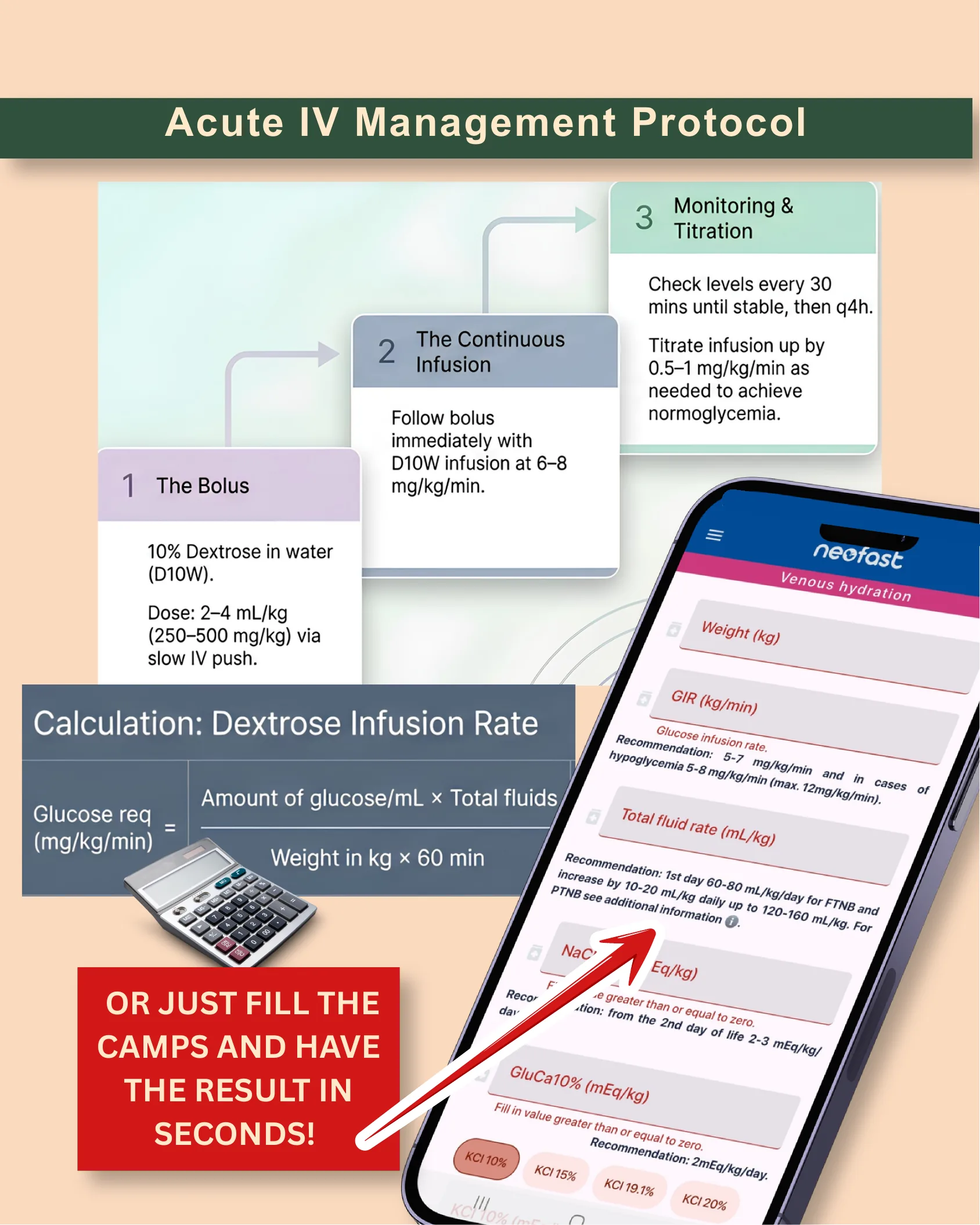
Acute IV Management Protocol
The Bolus
10% Dextrose in water (D10W).
Dose: 2–4 mL/kg (250–500 mg/kg) via slow IV push.
The Continuous Infusion
Follow bolus immediately with D10W infusion at 6–8 mg/kg/min.
Monitoring & Titration
Check levels every 30 mins until stable, then q4h.
Titrate infusion up by 0.5–1 mg/kg/min as needed to achieve normoglycemia.
Calculation: Dextrose Infusion Rate
Glucose req (mg/kg/min) = (Amount of glucose/mL × Total fluids) / (Weight in kg × 60 min)
OR JUST FILL THE CAMPS AND HAVE THE RESULT IN SECONDS!
Neofast App – Venous hydration
- Weight (kg)
- GIR (kg/min) — Glucose infusion rate. Recommendation: 5-7 mg/kg/min and in cases of hypoglycemia 5-8 mg/kg/min (max. 12mg/kg/min).
- Total fluid rate (mL/kg) — Recommendation: 1st day 60-80 mL/kg/day for FTNB and increase by 10-20 mL/kg daily up to 120-160 mL/kg. For PTNB see additional information.
- NaCl (mEq/kg) — Fill in value greater than or equal to zero. Recommendation: from the 2nd day of life 2-3 mEq/kg/day.
- GluCa10% (mEq/kg) — Fill in value greater than or equal to zero. Recommendation: 2mEq/kg/day.
- KCl 10%, KCl 15%, KCl 19.1%, KCl 20%
Refractory & Persistent Hypoglycemia
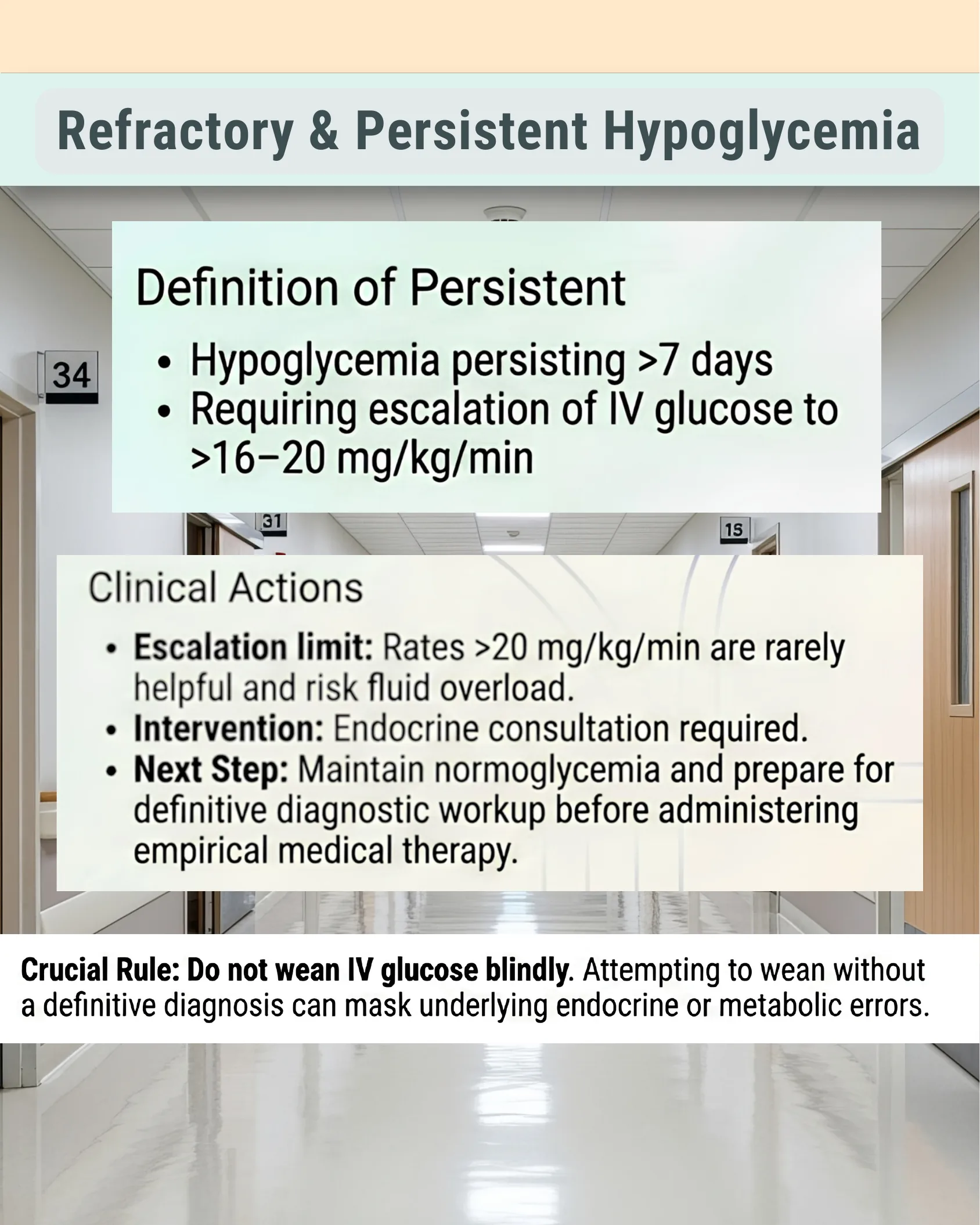
Refractory & Persistent Hypoglycemia
Definition of Persistent
- Hypoglycemia persisting >7 days
- Requiring escalation of IV glucose to >16–20 mg/kg/min
Clinical Actions
- Escalation limit: Rates >20 mg/kg/min are rarely helpful and risk fluid overload.
- Intervention: Endocrine consultation required.
- Next Step: Maintain normoglycemia and prepare for definitive diagnostic workup before administering empirical medical therapy.
Crucial Rule: Do not wean IV glucose blindly. Attempting to wean without a definitive diagnosis can mask underlying endocrine or metabolic errors.
The Definitive Diagnostic Workup
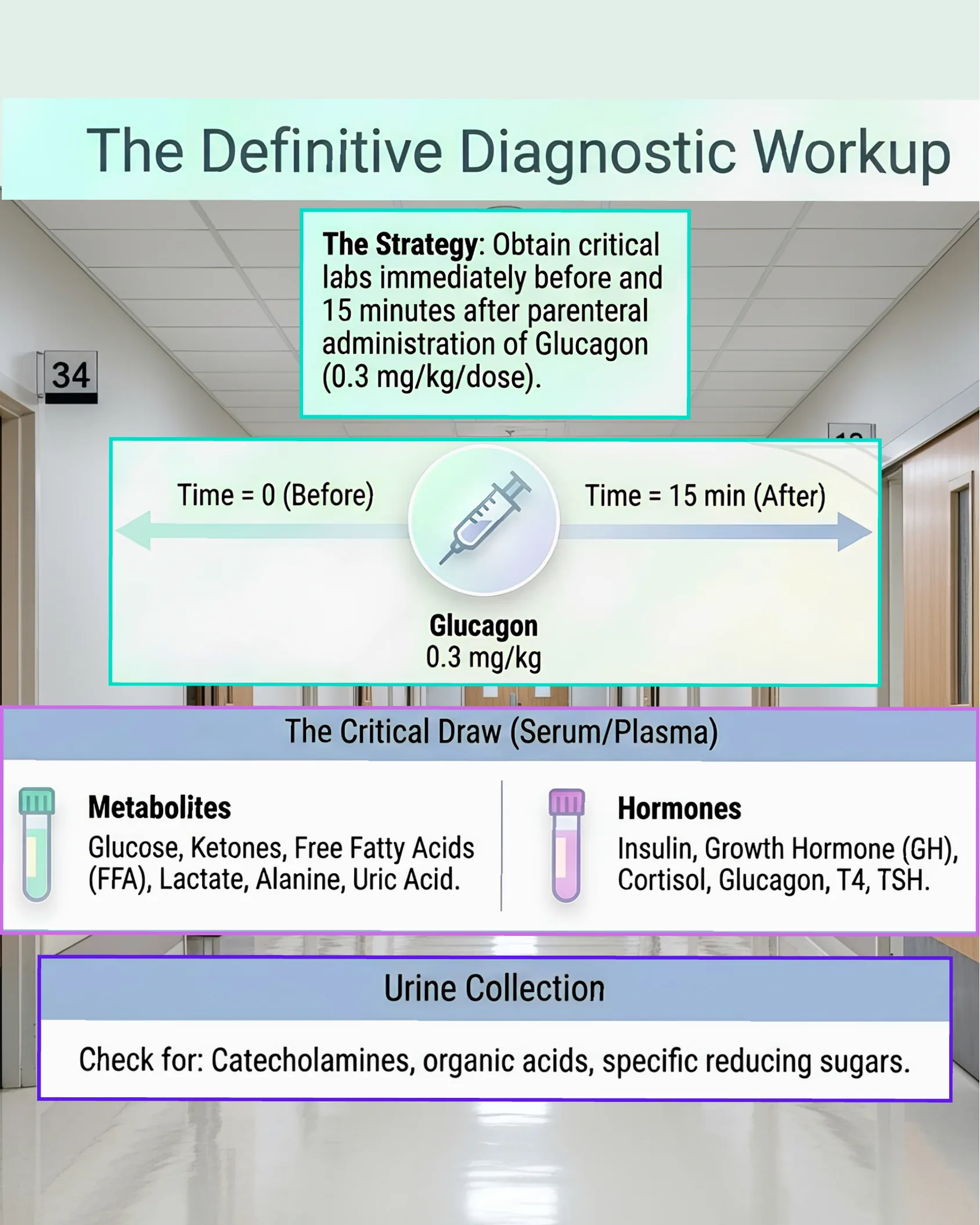
The Strategy
Obtain critical labs immediately before and 15 minutes after parenteral administration of Glucagon (0.3 mg/kg/dose).
- Time = 0 (Before)
- Glucagon 0.3 mg/kg administered
- Time = 15 min (After)
The Critical Draw (Serum/Plasma)
| Metabolites | Hormones |
|---|---|
| Glucose, Ketones, Free Fatty Acids (FFA), Lactate, Alanine, Uric Acid. | Insulin, Growth Hormone (GH), Cortisol, Glucagon, T4, TSH. |
Urine Collection
Check for: Catecholamines, organic acids, specific reducing sugars.
Diagnostic Interpretation Matrix (The Glucagon Test)
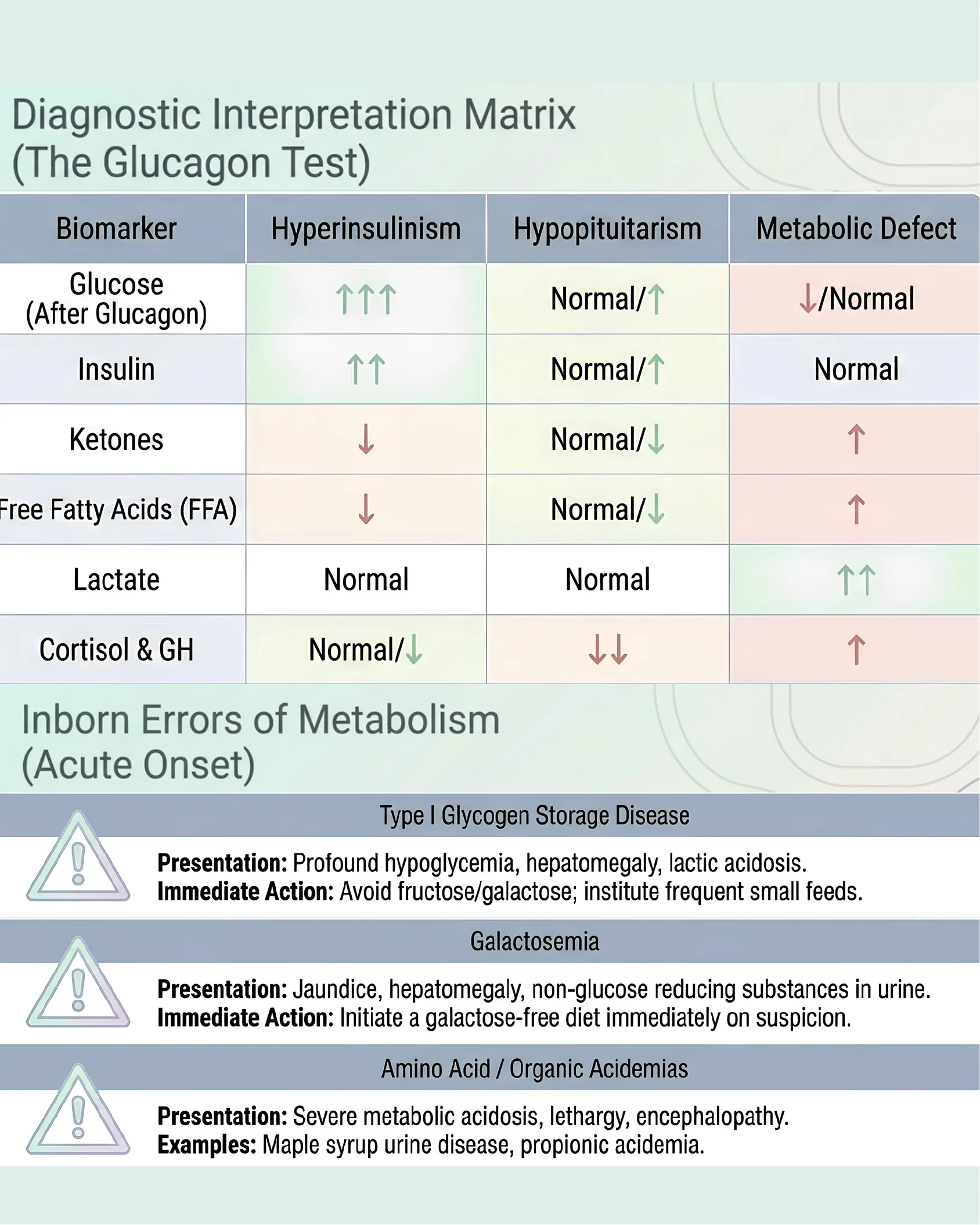
Diagnostic Interpretation Matrix (The Glucagon Test)
| Biomarker | Hyperinsulinism | Hypopituitarism | Metabolic Defect |
|---|---|---|---|
| Glucose (After Glucagon) | ↑↑↑ | Normal/↑ | ↓/Normal |
| Insulin | ↑↑ | Normal/↑ | Normal |
| Ketones | ↓ | Normal/↓ | ↑ |
| Free Fatty Acids (FFA) | ↓ | Normal/↓ | ↑ |
| Lactate | Normal | Normal | ↑↑ |
| Cortisol & GH | Normal/↓ | ↓↓ | ↑ |
Inborn Errors of Metabolism (Acute Onset)
Type I Glycogen Storage Disease
Presentation: Profound hypoglycemia, hepatomegaly, lactic acidosis.
Immediate Action: Avoid fructose/galactose; institute frequent small feeds.
Galactosemia
Presentation: Jaundice, hepatomegaly, non-glucose reducing substances in urine.
Immediate Action: Initiate a galactose-free diet immediately on suspicion.
Amino Acid / Organic Acidemias
Presentation: Severe metabolic acidosis, lethargy, encephalopathy.
Examples: Maple syrup urine disease, propionic acidemia.
Pharmacologic & Long-Term Management
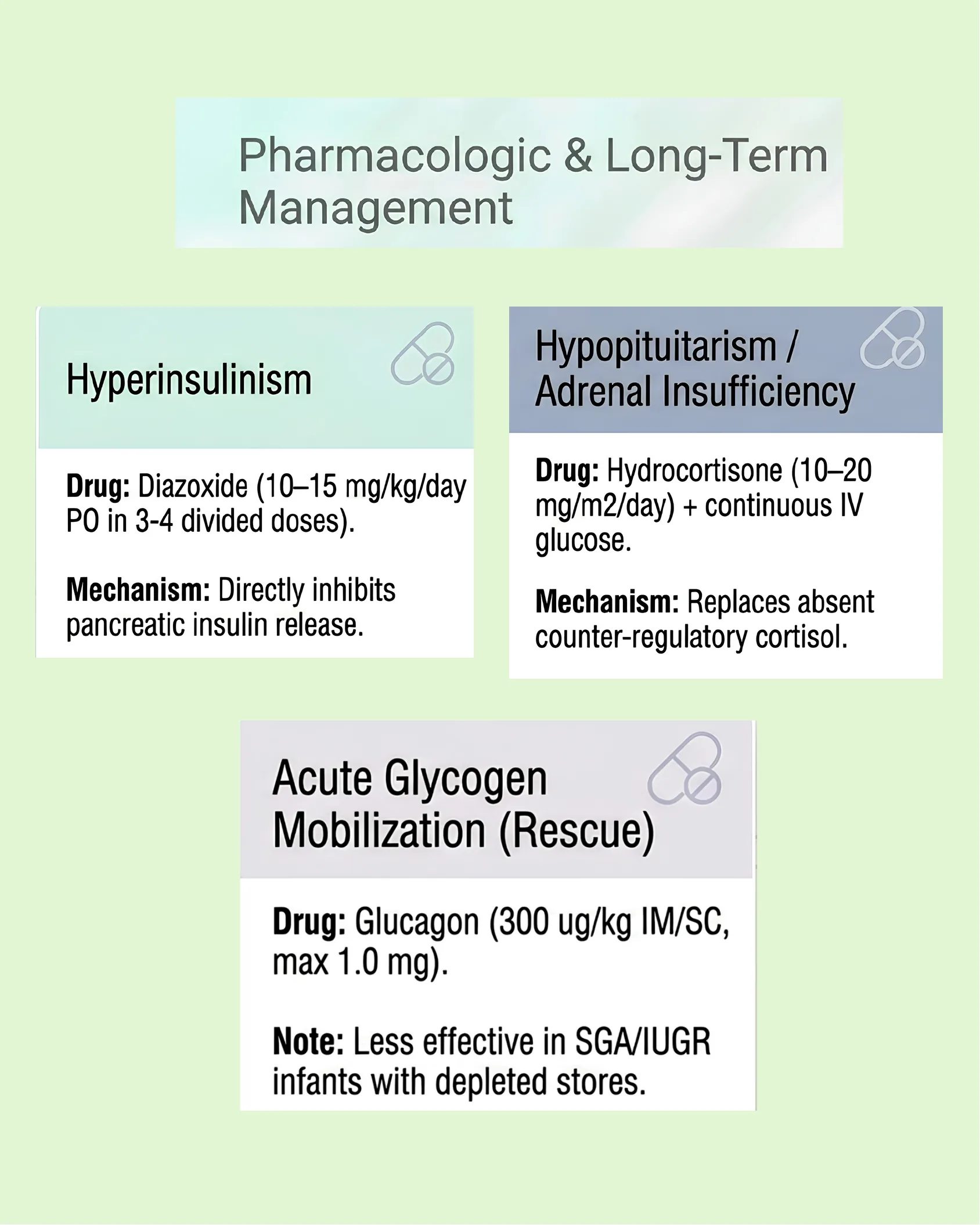
Hyperinsulinism
Drug: Diazoxide (10–15 mg/kg/day PO in 3-4 divided doses).
Mechanism: Directly inhibits pancreatic insulin release.
Hypopituitarism / Adrenal Insufficiency
Drug: Hydrocortisone (10–20 mg/m2/day) + continuous IV glucose.
Mechanism: Replaces absent counter-regulatory cortisol.
Acute Glycogen Mobilization (Rescue)
Drug: Glucagon (300 ug/kg IM/SC, max 1.0 mg).
Note: Less effective in SGA/IUGR infants with depleted stores.
The Neonatal Glucose Homeostasis Framework
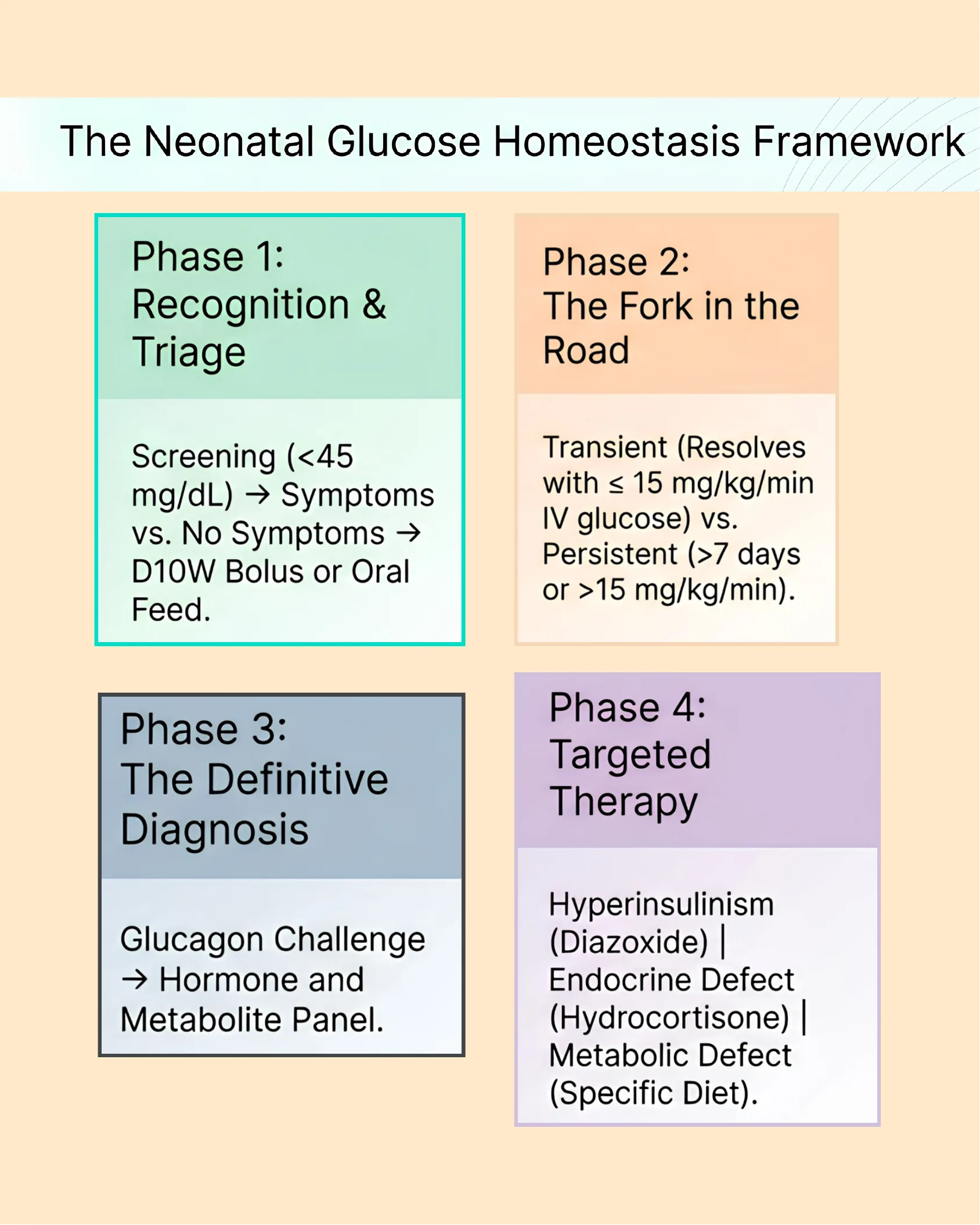
Phase 1: Recognition & Triage
Screening (<45 mg/dL) → Symptoms vs. No Symptoms → D10W Bolus or Oral Feed.
Phase 2: The Fork in the Road
Transient (Resolves with ≤ 15 mg/kg/min IV glucose) vs. Persistent (>7 days or >15 mg/kg/min).
Phase 3: The Definitive Diagnosis
Glucagon Challenge → Hormone and Metabolite Panel.
Phase 4: Targeted Therapy
Hyperinsulinism (Diazoxide) | Endocrine Defect (Hydrocortisone) | Metabolic Defect (Specific Diet).
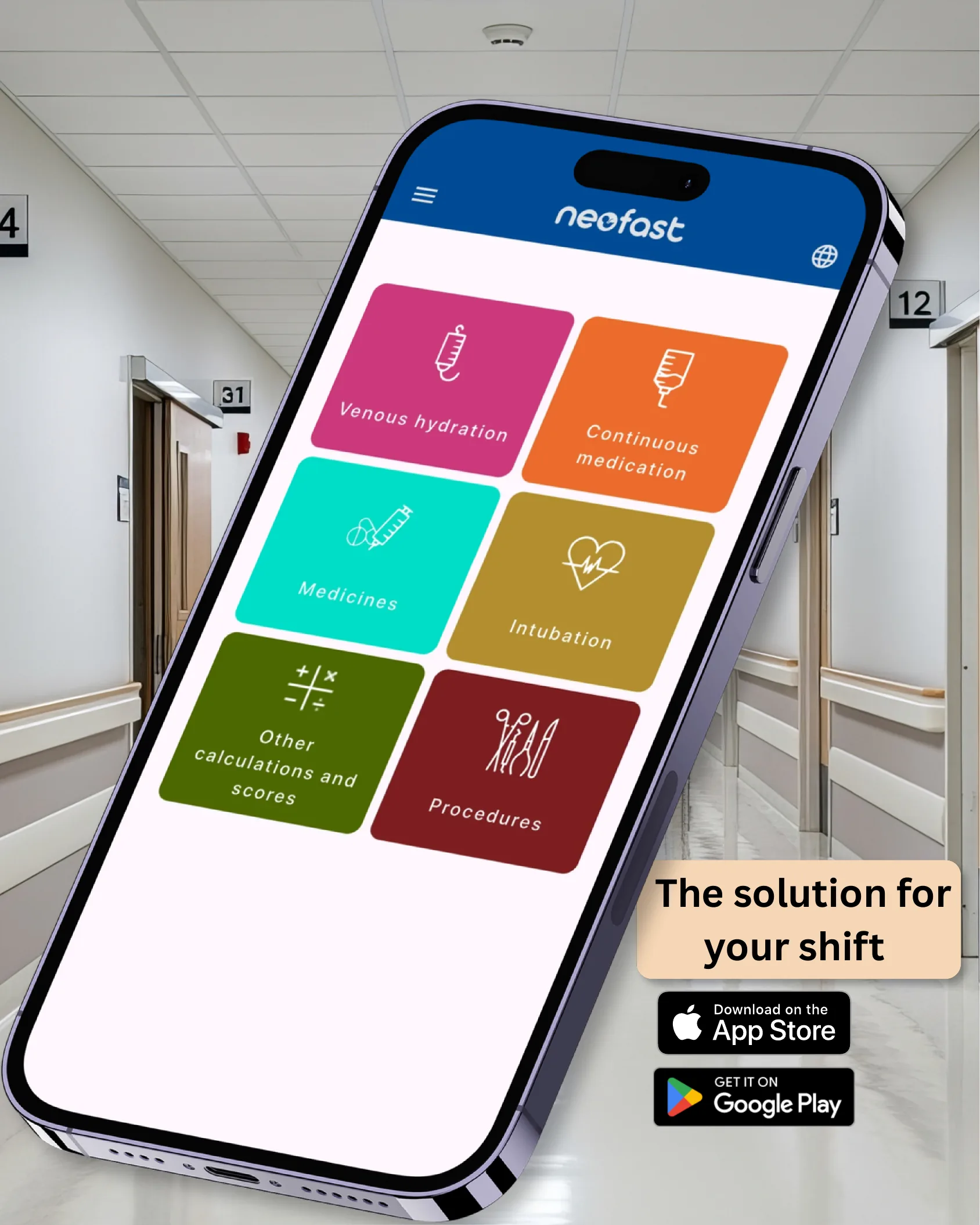
neofast
- Venous hydration
- Continuous medication
- Medicines
- Intubation
- Other calculations and scores
- Procedures
The solution for your shift
Download on the App Store
Get it on Google Play
Frequently asked questions
What is the diagnostic threshold for neonatal hypoglycemia?
Neonatal hypoglycemia is defined as plasma glucose <40–45 mg/dL in a term or premature infant. Acute treatment should not be delayed for symptomatic infants while awaiting lab confirmation.
Why shouldn’t bedside glucose strips be used alone to diagnose neonatal hypoglycemia?
Whole blood glucose is 10–15% lower than plasma glucose, and glucose oxidase strips (Dextrostix/Chemstrip) are highly inaccurate at low ranges (<40–50 mg/dL). A stat serum sample should always be sent to the laboratory to confirm before diagnosing or treating.
What is the recommended glucagon dose for a symptomatic neonate without IV access?
Administer Glucagon 300 mcg/kg (IM/SC), with a maximum dose of 1.0 mg, while establishing IV access.
What are the steps of the acute IV dextrose protocol for symptomatic neonatal hypoglycemia?
Give a D10W bolus of 2–4 mL/kg (250–500 mg/kg) via slow IV push, followed immediately by a continuous D10W infusion at 6–8 mg/kg/min. Check glucose levels every 30 minutes until stable, then every 4 hours, and titrate the infusion up by 0.5–1 mg/kg/min as needed to achieve normoglycemia.
When is neonatal hypoglycemia considered persistent or refractory, and what should be done?
Hypoglycemia is considered persistent if it lasts more than 7 days or requires escalation of IV glucose to >16–20 mg/kg/min; rates above 20 mg/kg/min are rarely helpful and risk fluid overload. Endocrine consultation is required, and normoglycemia should be maintained while preparing for a definitive diagnostic workup before starting empirical medical therapy—IV glucose should never be weaned blindly, as this can mask underlying endocrine or metabolic errors.