


Antibiotic Strategies for Neonatal Sepsis
Navigating Efficacy, Emerging Resistance, and Practical Regimens
Source Meta-Analysis: Soni P., Matoria R., Nagalli M.M. “Antibiotic strategies for neonatal sepsis: navigating efficacy and emerging resistance patterns.” European Journal of Pediatrics (2025) 184:439.
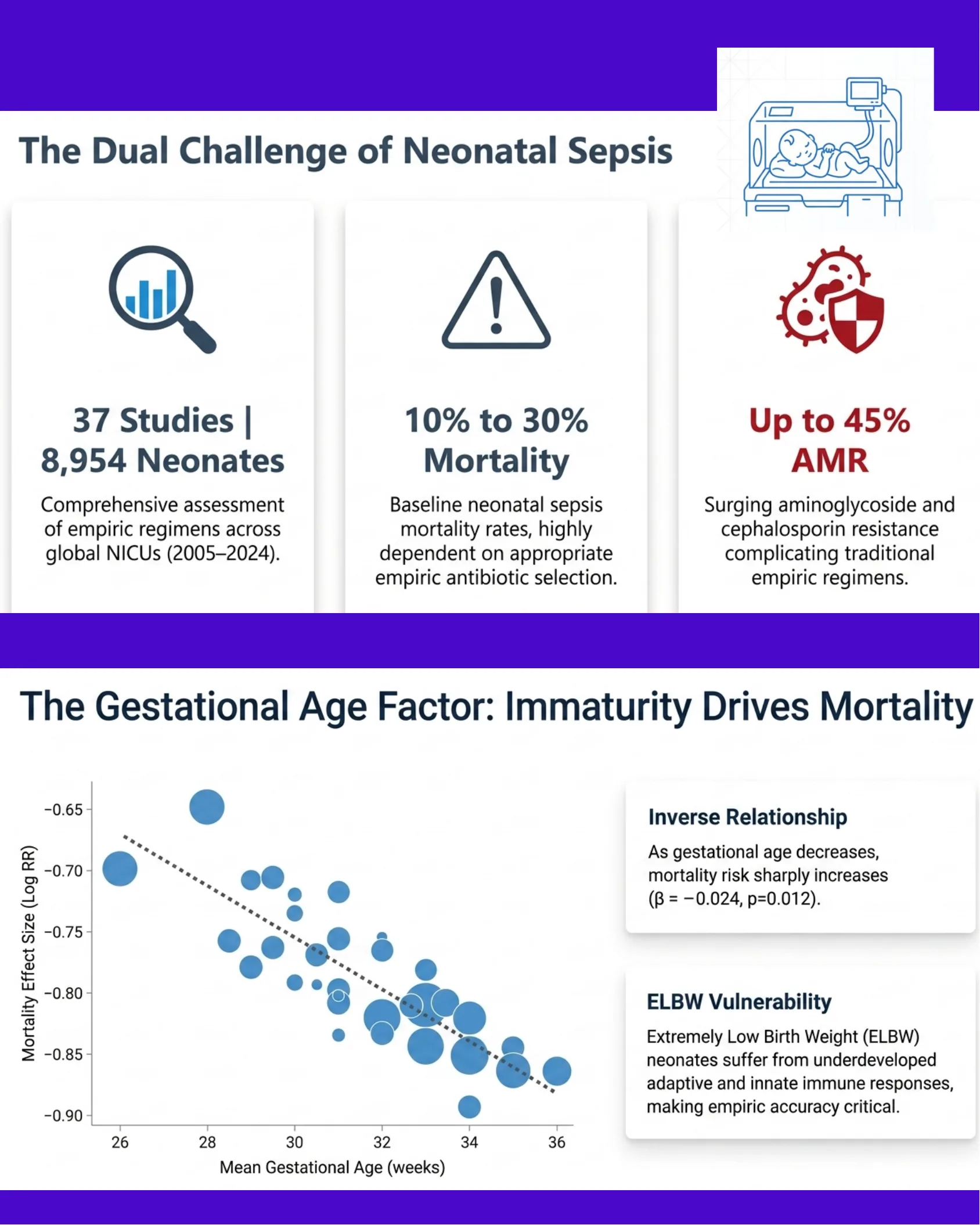
The Dual Challenge of Neonatal Sepsis
The Dual Challenge of Neonatal Sepsis
- 37 Studies | 8,954 Neonates — Comprehensive assessment of empiric regimens across global NICUs (2005–2024).
- 10% to 30% Mortality — Baseline neonatal sepsis mortality rates, highly dependent on appropriate empiric antibiotic selection.
- Up to 45% AMR — Surging aminoglycoside and cephalosporin resistance complicating traditional empiric regimens.
The Gestational Age Factor: Immaturity Drives Mortality
Scatter plot: Mortality Effect Size (Log RR) vs. Mean Gestational Age (weeks), ranging from 26 to 36 weeks, showing a downward dotted trend line from approximately -0.68 at 26 weeks to -0.87 at 36 weeks.
- Inverse Relationship — As gestational age decreases, mortality risk sharply increases (β = −0.024, p=0.012).
- ELBW Vulnerability — Extremely Low Birth Weight (ELBW) neonates suffer from underdeveloped adaptive and innate immune responses, making empiric accuracy critical.
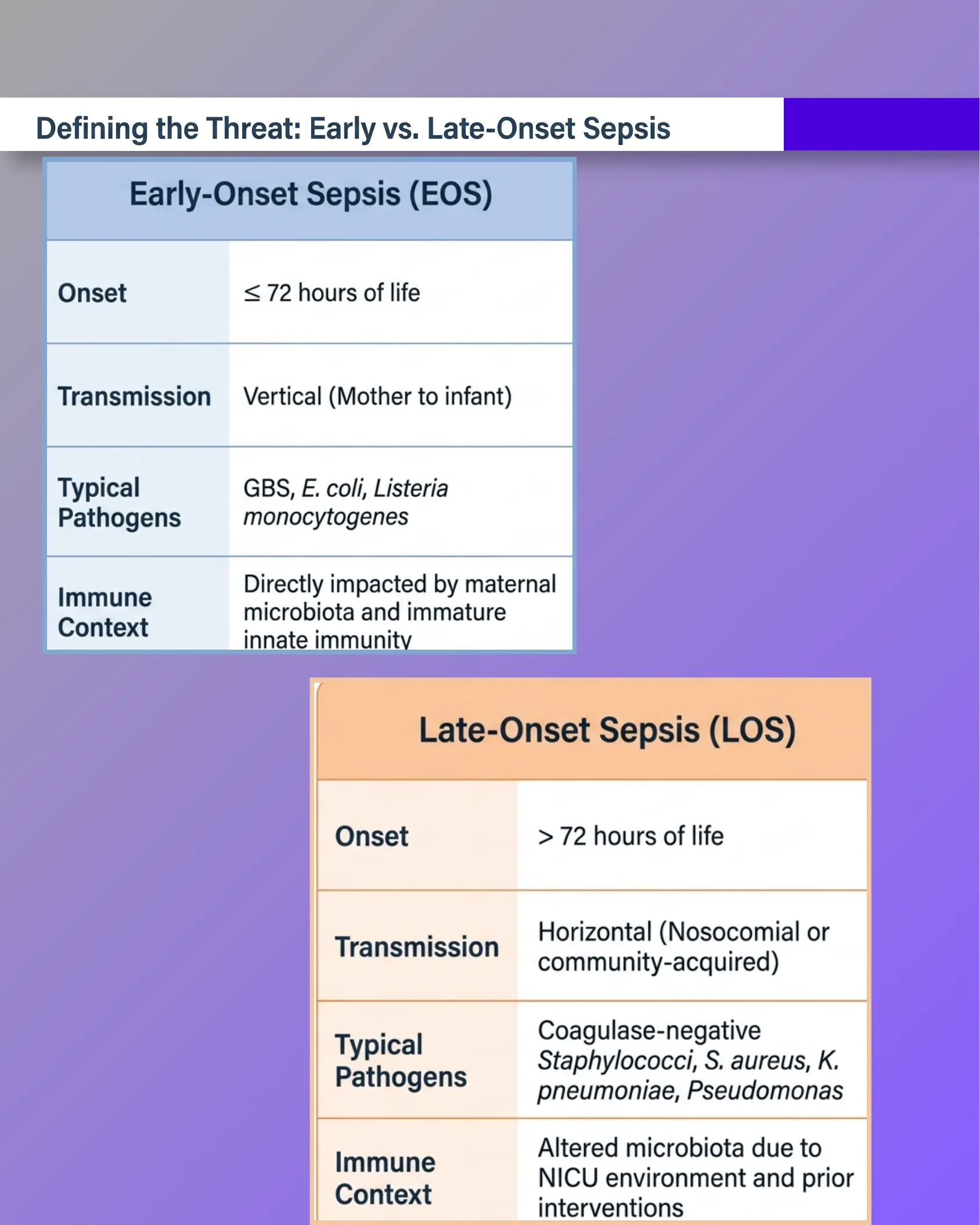
Defining the Threat: Early vs. Late-Onset Sepsis
Defining the Threat: Early vs. Late-Onset Sepsis
| Early-Onset Sepsis (EOS) | |
|---|---|
| Onset | ≤ 72 hours of life |
| Transmission | Vertical (Mother to infant) |
| Typical Pathogens | GBS, E. coli, Listeria monocytogenes |
| Immune Context | Directly impacted by maternal microbiota and immature innate immunity |
| Late-Onset Sepsis (LOS) | |
|---|---|
| Onset | > 72 hours of life |
| Transmission | Horizontal (Nosocomial or community-acquired) |
| Typical Pathogens | Coagulase-negative Staphylococci, S. aureus, K. pneumoniae, Pseudomonas |
| Immune Context | Altered microbiota due to NICU environment and prior interventions |
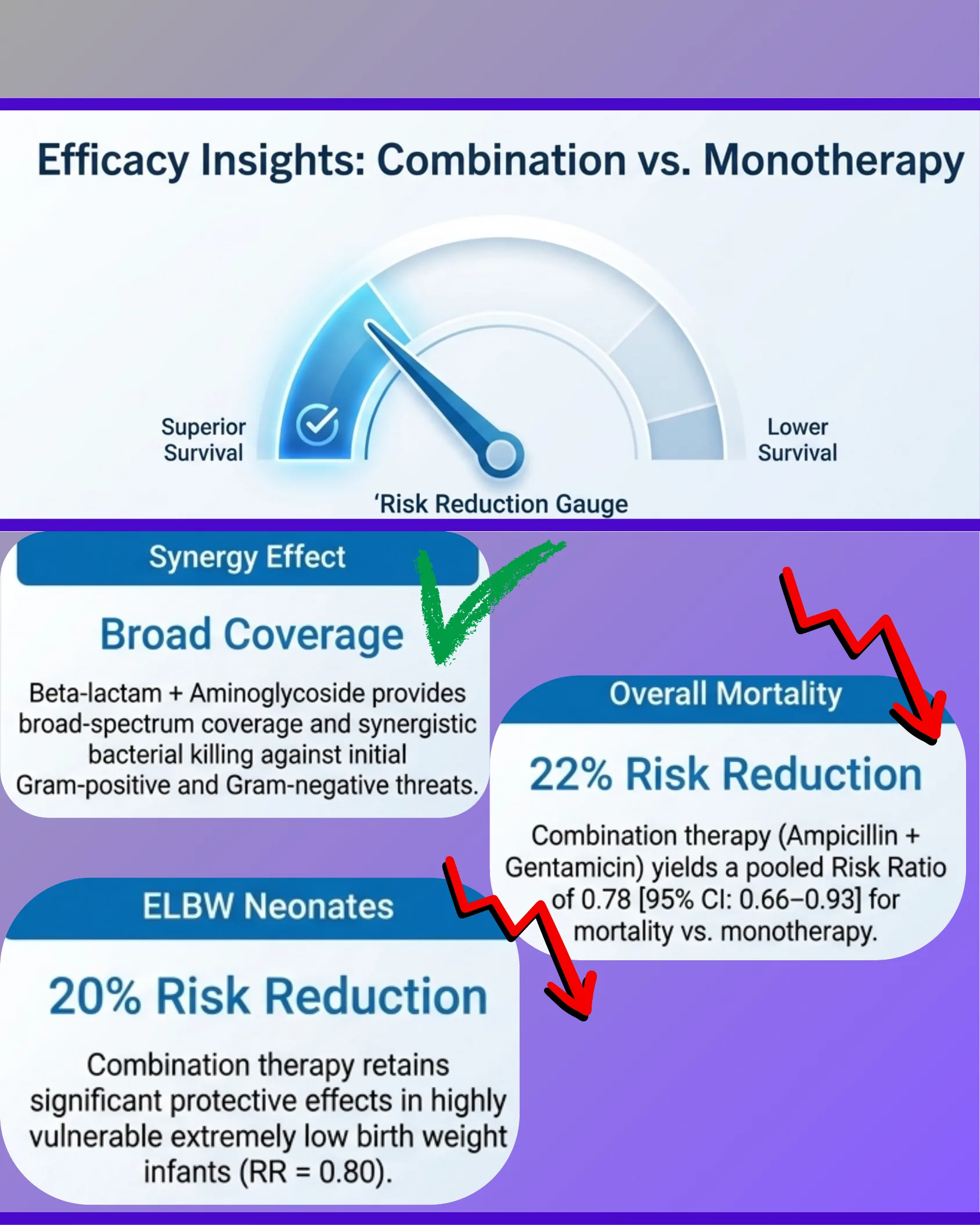
Efficacy Insights: Combination vs. Monotherapy
Efficacy Insights: Combination vs. Monotherapy
‘Risk Reduction Gauge’ — needle pointing toward Superior Survival (versus Lower Survival).
- Synergy Effect – Broad Coverage: Beta-lactam + Aminoglycoside provides broad-spectrum coverage and synergistic bacterial killing against initial Gram-positive and Gram-negative threats.
- Overall Mortality – 22% Risk Reduction: Combination therapy (Ampicillin + Gentamicin) yields a pooled Risk Ratio of 0.78 [95% CI: 0.66–0.93] for mortality vs. monotherapy.
- ELBW Neonates – 20% Risk Reduction: Combination therapy retains significant protective effects in highly vulnerable extremely low birth weight infants (RR = 0.80).
Practical Protocol: Early-Onset Sepsis (EOS)
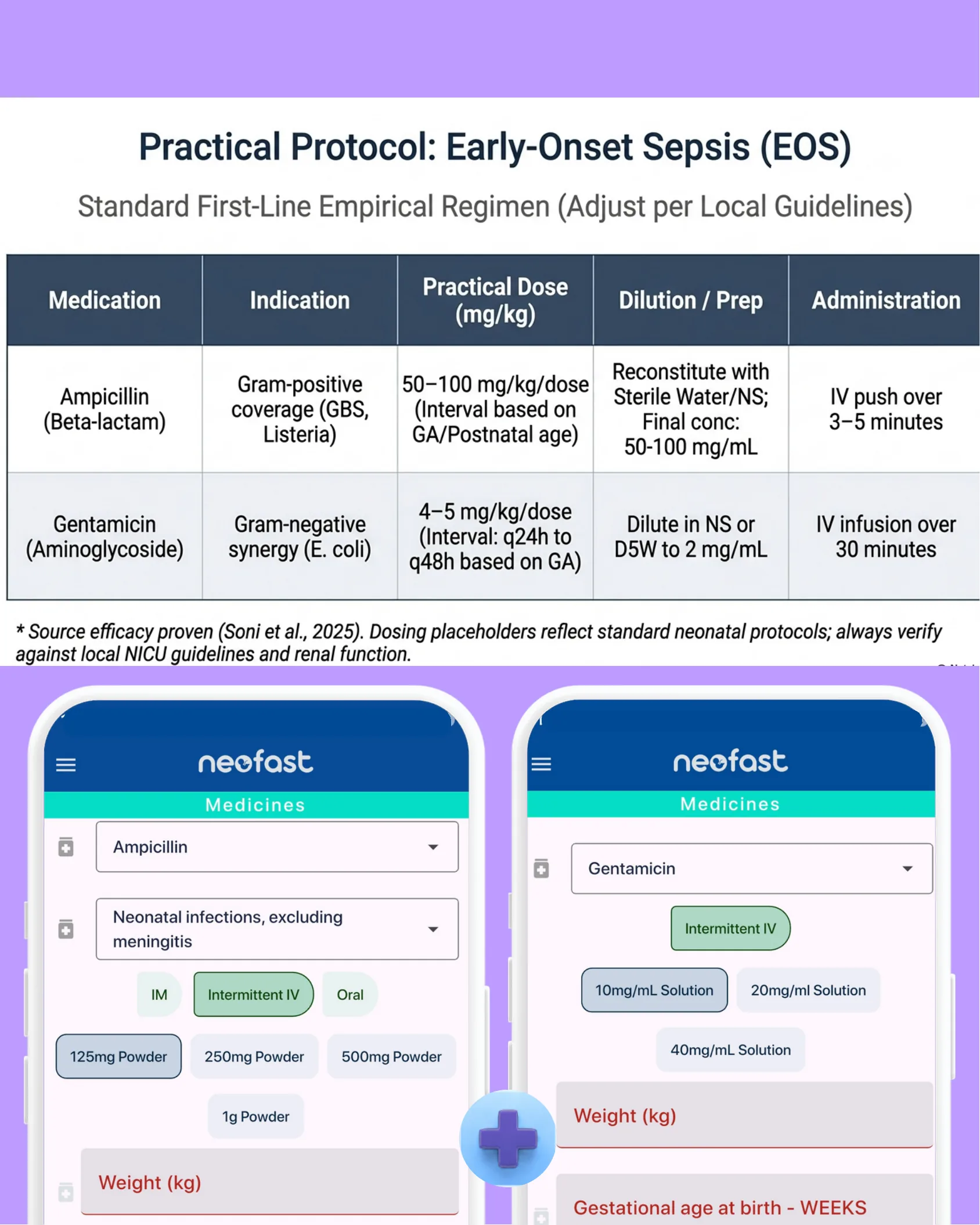
Practical Protocol: Early-Onset Sepsis (EOS)
Standard First-Line Empirical Regimen (Adjust per Local Guidelines)
| Medication | Indication | Practical Dose (mg/kg) | Dilution / Prep | Administration |
|---|---|---|---|---|
| Ampicillin (Beta-lactam) | Gram-positive coverage (GBS, Listeria) | 50–100 mg/kg/dose (Interval based on GA/Postnatal age) | Reconstitute with Sterile Water/NS; Final conc: 50-100 mg/mL | IV push over 3–5 minutes |
| Gentamicin (Aminoglycoside) | Gram-negative synergy (E. coli) | 4–5 mg/kg/dose (Interval: q24h to q48h based on GA) | Dilute in NS or D5W to 2 mg/mL | IV infusion over 30 minutes |
* Source efficacy proven (Soni et al., 2025). Dosing placeholders reflect standard neonatal protocols; always verify against local NICU guidelines and renal function.
NeoFast app screenshots — Medicines section:
- Ampicillin: Neonatal infections, excluding meningitis; routes: IM, Intermittent IV (selected), Oral; presentations: 125mg Powder (selected), 250mg Powder, 500mg Powder, 1g Powder; field: Weight (kg)
- Gentamicin: Intermittent IV (selected); presentations: 10mg/mL Solution (selected), 20mg/mL Solution, 40mg/mL Solution; fields: Weight (kg), Gestational age at birth – WEEKS
NeoFast Dosing Calculation Example — Ampicillin
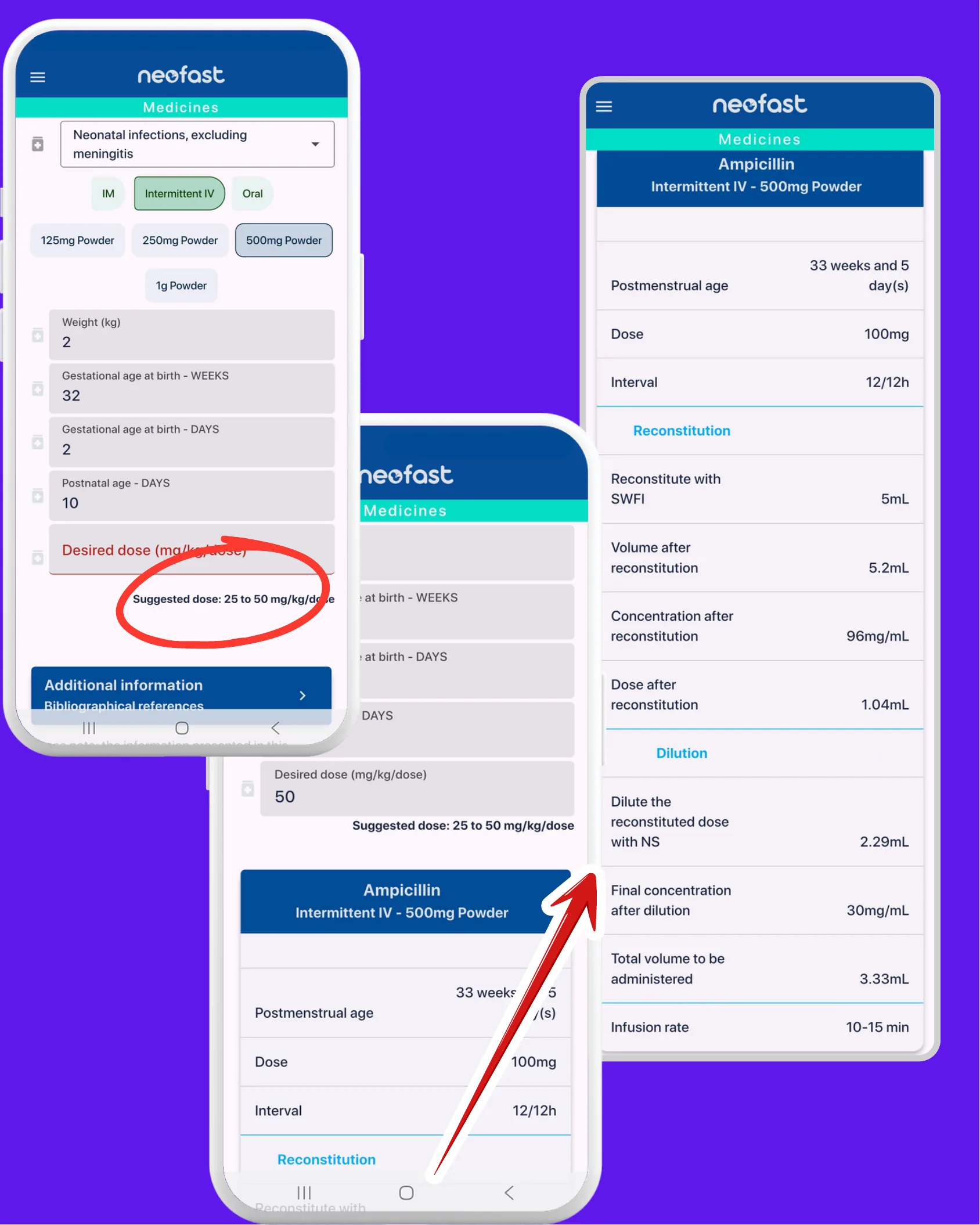
NeoFast Dosing Calculation Example — Ampicillin
Screen 1 — Medicines / Neonatal infections, excluding meningitis:
- Route: IM, Intermittent IV (selected), Oral
- Presentation: 125mg Powder, 250mg Powder, 500mg Powder (selected), 1g Powder
- Weight (kg): 2
- Gestational age at birth – WEEKS: 32
- Gestational age at birth – DAYS: 2
- Postnatal age – DAYS: 10
- Desired dose (mg/kg/dose): (circled) — Suggested dose: 25 to 50 mg/kg/dose
- Additional information / Bibliographical references
Screen 2 — Desired dose entered: 50 — Suggested dose: 25 to 50 mg/kg/dose
Ampicillin — Intermittent IV – 500mg Powder
| Postmenstrual age | 33 weeks and 5 day(s) |
| Dose | 100mg |
| Interval | 12/12h |
Reconstitution
| Reconstitute with SWFI | 5mL |
| Volume after reconstitution | 5.2mL |
| Concentration after reconstitution | 96mg/mL |
| Dose after reconstitution | 1.04mL |
Dilution
| Dilute the reconstituted dose with NS | 2.29mL |
| Final concentration after dilution | 30mg/mL |
| Total volume to be administered | 3.33mL |
| Infusion rate | 10-15 min |
Practical Protocol: Late-Onset Sepsis (LOS)
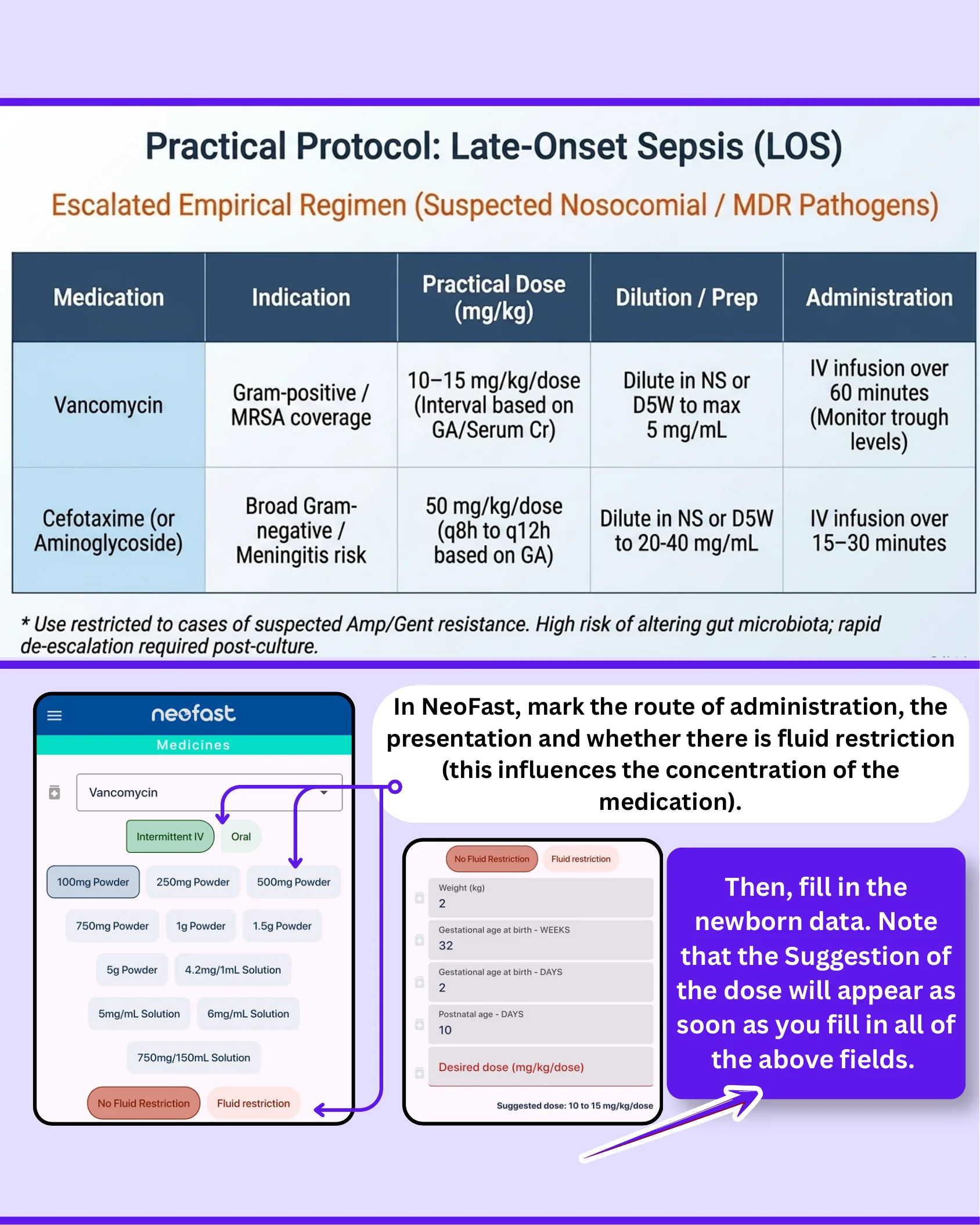
Practical Protocol: Late-Onset Sepsis (LOS)
Escalated Empirical Regimen (Suspected Nosocomial / MDR Pathogens)
| Medication | Indication | Practical Dose (mg/kg) | Dilution / Prep | Administration |
|---|---|---|---|---|
| Vancomycin | Gram-positive / MRSA coverage | 10–15 mg/kg/dose (Interval based on GA/Serum Cr) | Dilute in NS or D5W to max 5 mg/mL | IV infusion over 60 minutes (Monitor trough levels) |
| Cefotaxime (or Aminoglycoside) | Broad Gram-negative / Meningitis risk | 50 mg/kg/dose (q8h to q12h based on GA) | Dilute in NS or D5W to 20-40 mg/mL | IV infusion over 15–30 minutes |
* Use restricted to cases of suspected Amp/Gent resistance. High risk of altering gut microbiota; rapid de-escalation required post-culture.
NeoFast app screenshot — Vancomycin:
- Route: Intermittent IV (selected), Oral
- Presentations: 100mg Powder (selected), 250mg Powder, 500mg Powder, 750mg Powder, 1g Powder, 1.5g Powder, 5g Powder, 4.2mg/1mL Solution, 5mg/mL Solution, 6mg/mL Solution, 750mg/150mL Solution
- Fluid status: No Fluid Restriction, Fluid restriction
Callout: In NeoFast, mark the route of administration, the presentation and whether there is fluid restriction (this influences the concentration of the medication).
Field entry screen:
- No Fluid Restriction / Fluid restriction
- Weight (kg): 2
- Gestational age at birth – WEEKS: 32
- Gestational age at birth – DAYS: 2
- Postnatal age – DAYS: 10
- Desired dose (mg/kg/dose)
- Suggested dose: 10 to 15 mg/kg/dose
Callout: Then, fill in the newborn data. Note that the Suggestion of the dose will appear as soon as you fill in all of the above fields.
NeoFast Dosing Calculation Example — Vancomycin
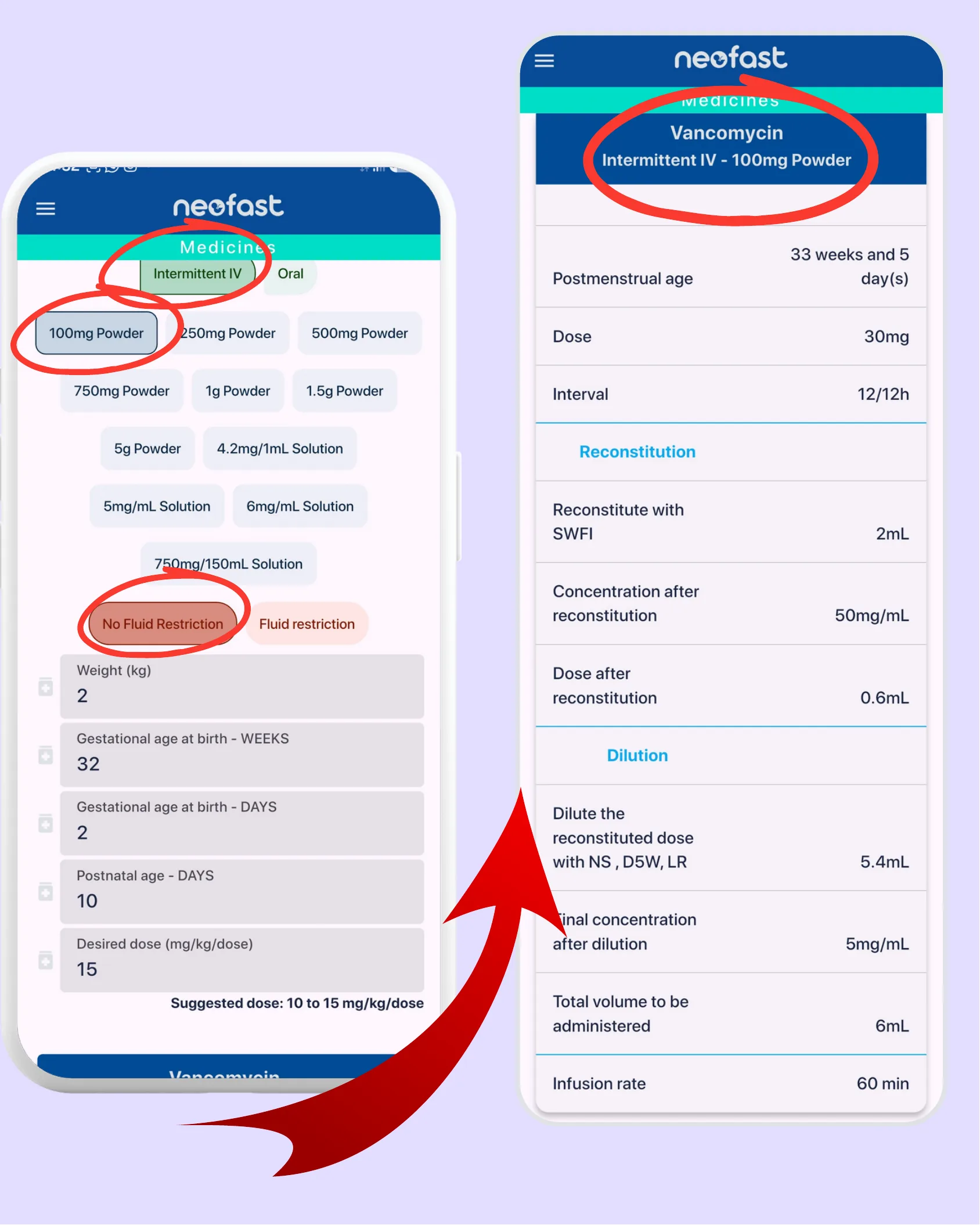
NeoFast Dosing Calculation Example — Vancomycin
Screen 1 — Medicines:
- Route: Intermittent IV (selected), Oral
- Presentation: 100mg Powder (selected), 250mg Powder, 500mg Powder, 750mg Powder, 1g Powder, 1.5g Powder, 5g Powder, 4.2mg/1mL Solution, 5mg/mL Solution, 6mg/mL Solution, 750mg/150mL Solution
- Fluid status: No Fluid Restriction (selected), Fluid restriction
- Weight (kg): 2
- Gestational age at birth – WEEKS: 32
- Gestational age at birth – DAYS: 2
- Postnatal age – DAYS: 10
- Desired dose (mg/kg/dose): 15
- Suggested dose: 10 to 15 mg/kg/dose
Vancomycin — Intermittent IV – 100mg Powder
| Postmenstrual age | 33 weeks and 5 day(s) |
| Dose | 30mg |
| Interval | 12/12h |
Reconstitution
| Reconstitute with SWFI | 2mL |
| Concentration after reconstitution | 50mg/mL |
| Dose after reconstitution | 0.6mL |
Dilution
| Dilute the reconstituted dose with NS, D5W, LR | 5.4mL |
| Final concentration after dilution | 5mg/mL |
| Total volume to be administered | 6mL |
| Infusion rate | 60 min |
The AMR Escalation: Once-Reliable Agents Losing Efficacy
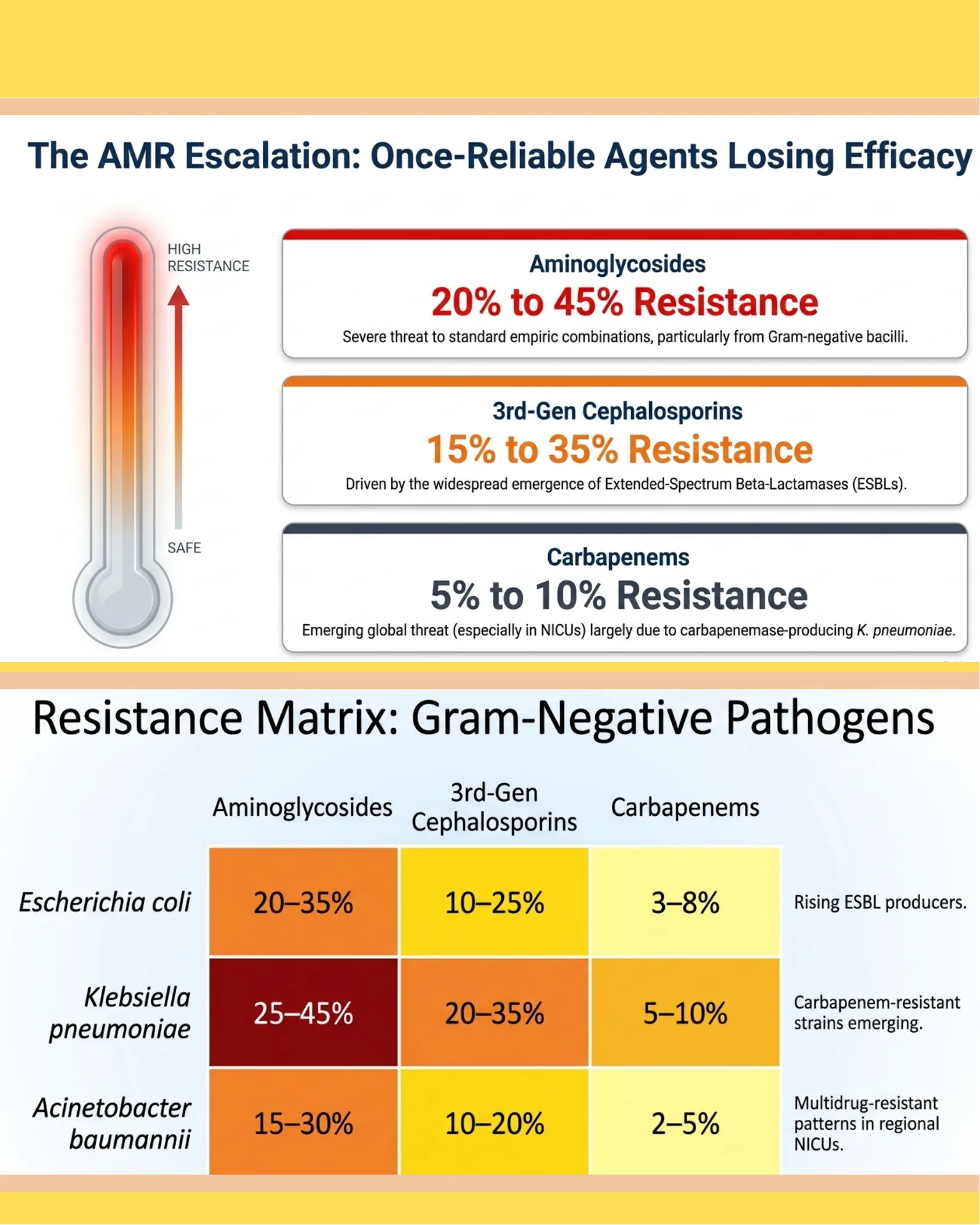
The AMR Escalation: Once-Reliable Agents Losing Efficacy
- Aminoglycosides: 20% to 45% Resistance — Severe threat to standard empiric combinations, particularly from Gram-negative bacilli.
- 3rd-Gen Cephalosporins: 15% to 35% Resistance — Driven by the widespread emergence of Extended-Spectrum Beta-Lactamases (ESBLs).
- Carbapenems: 5% to 10% Resistance — Emerging global threat (especially in NICUs) largely due to carbapenemase-producing K. pneumoniae.
Resistance Matrix: Gram-Negative Pathogens
| Pathogen | Aminoglycosides | 3rd-Gen Cephalosporins | Carbapenems | Notes |
|---|---|---|---|---|
| Escherichia coli | 20–35% | 10–25% | 3–8% | Rising ESBL producers. |
| Klebsiella pneumoniae | 25–45% | 20–35% | 5–10% | Carbapenem-resistant strains emerging. |
| Acinetobacter baumannii | 15–30% | 10–20% | 2–5% | Multidrug-resistant patterns in regional NICUs. |
Resistance Profile: Gram-Positive Pathogens & The Clinical Tightrope
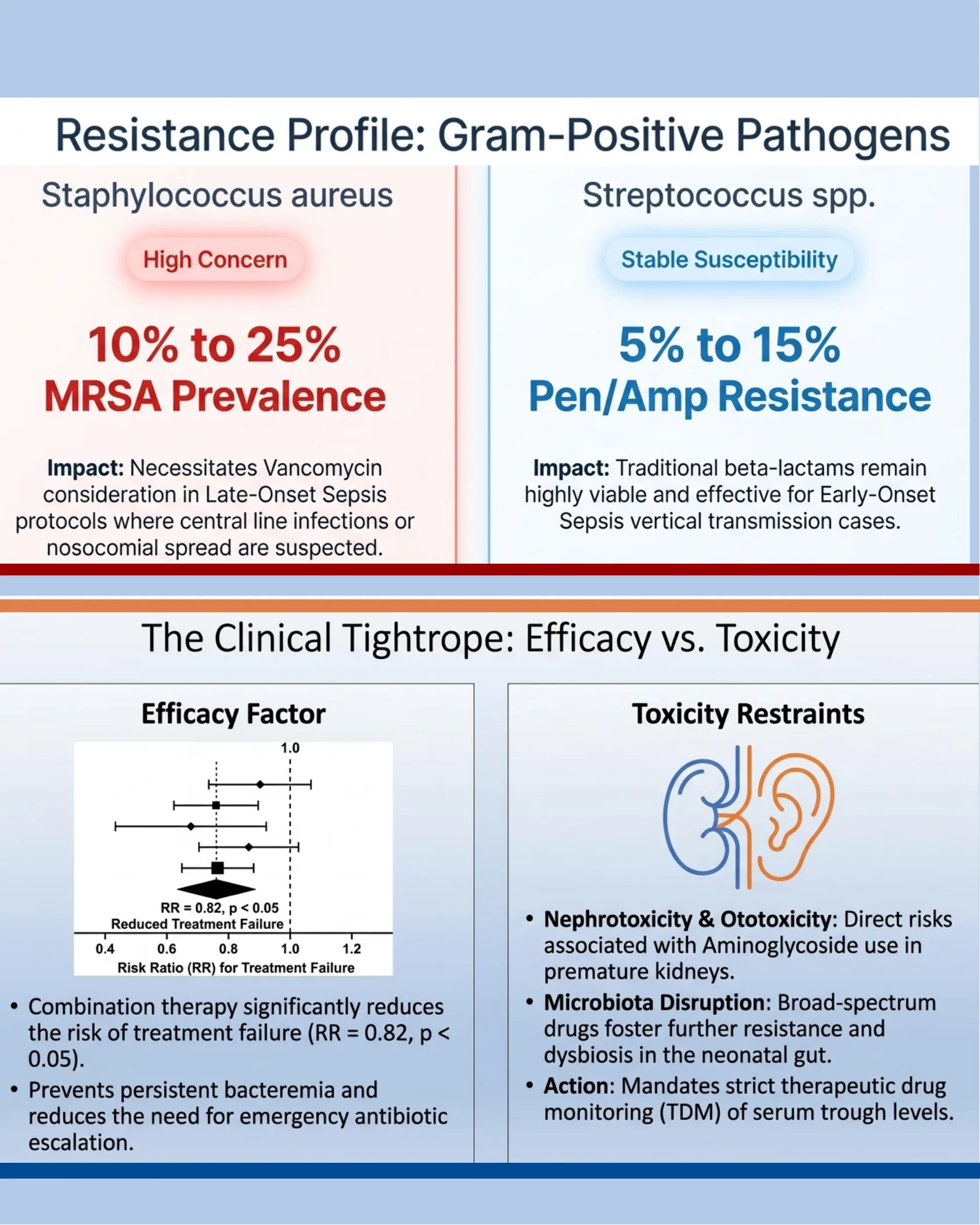
Resistance Profile: Gram-Positive Pathogens
Staphylococcus aureus — High Concern
10% to 25% MRSA Prevalence
Impact: Necessitates Vancomycin consideration in Late-Onset Sepsis protocols where central line infections or nosocomial spread are suspected.
Streptococcus spp. — Stable Susceptibility
5% to 15% Pen/Amp Resistance
Impact: Traditional beta-lactams remain highly viable and effective for Early-Onset Sepsis vertical transmission cases.
The Clinical Tightrope: Efficacy vs. Toxicity
Efficacy Factor
Forest plot: RR = 0.82, p < 0.05 — Reduced Treatment Failure (Risk Ratio scale 0.4 to 1.2)
- Combination therapy significantly reduces the risk of treatment failure (RR = 0.82, p < 0.05).
- Prevents persistent bacteremia and reduces the need for emergency antibiotic escalation.
Toxicity Restraints
- Nephrotoxicity & Ototoxicity: Direct risks associated with Aminoglycoside use in premature kidneys.
- Microbiota Disruption: Broad-spectrum drugs foster further resistance and dysbiosis in the neonatal gut.
- Action: Mandates strict therapeutic drug monitoring (TDM) of serum trough levels.
Evaluating Adjunctive Therapies & The Vital Role of Antibiotic Stewardship (ASP)
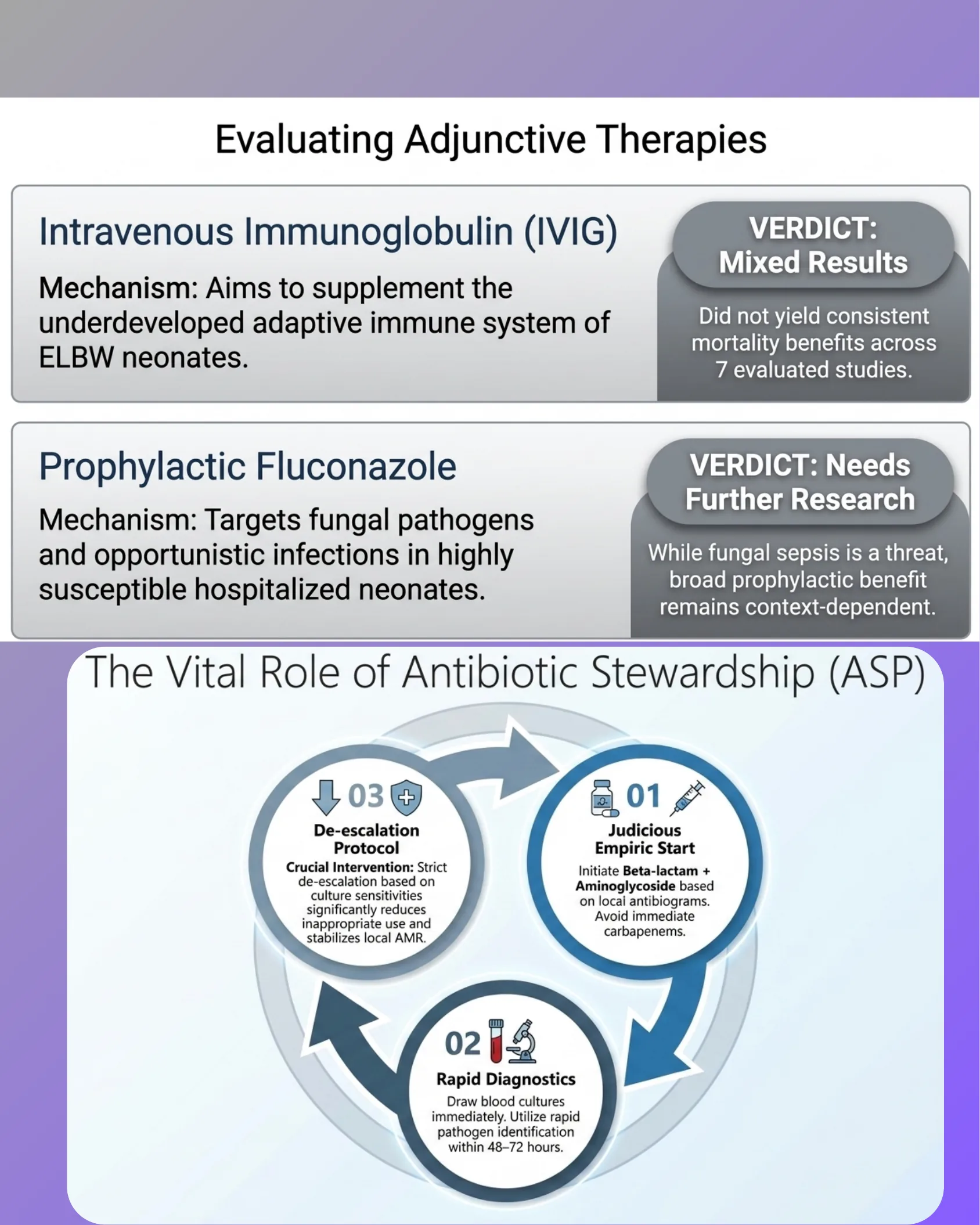
Evaluating Adjunctive Therapies
Intravenous Immunoglobulin (IVIG)
Mechanism: Aims to supplement the underdeveloped adaptive immune system of ELBW neonates.
VERDICT: Mixed Results — Did not yield consistent mortality benefits across 7 evaluated studies.
Prophylactic Fluconazole
Mechanism: Targets fungal pathogens and opportunistic infections in highly susceptible hospitalized neonates.
VERDICT: Needs Further Research — While fungal sepsis is a threat, broad prophylactic benefit remains context-dependent.
The Vital Role of Antibiotic Stewardship (ASP)
- 01 – Judicious Empiric Start: Initiate Beta-lactam + Aminoglycoside based on local antibiograms. Avoid immediate carbapenems.
- 02 – Rapid Diagnostics: Draw blood cultures immediately. Utilize rapid pathogen identification within 48–72 hours.
- 03 – De-escalation Protocol: Crucial Intervention: Strict de-escalation based on culture sensitivities significantly reduces inappropriate use and stabilizes local AMR.
Synthesis: Neonatal Sepsis Clinical Pathway
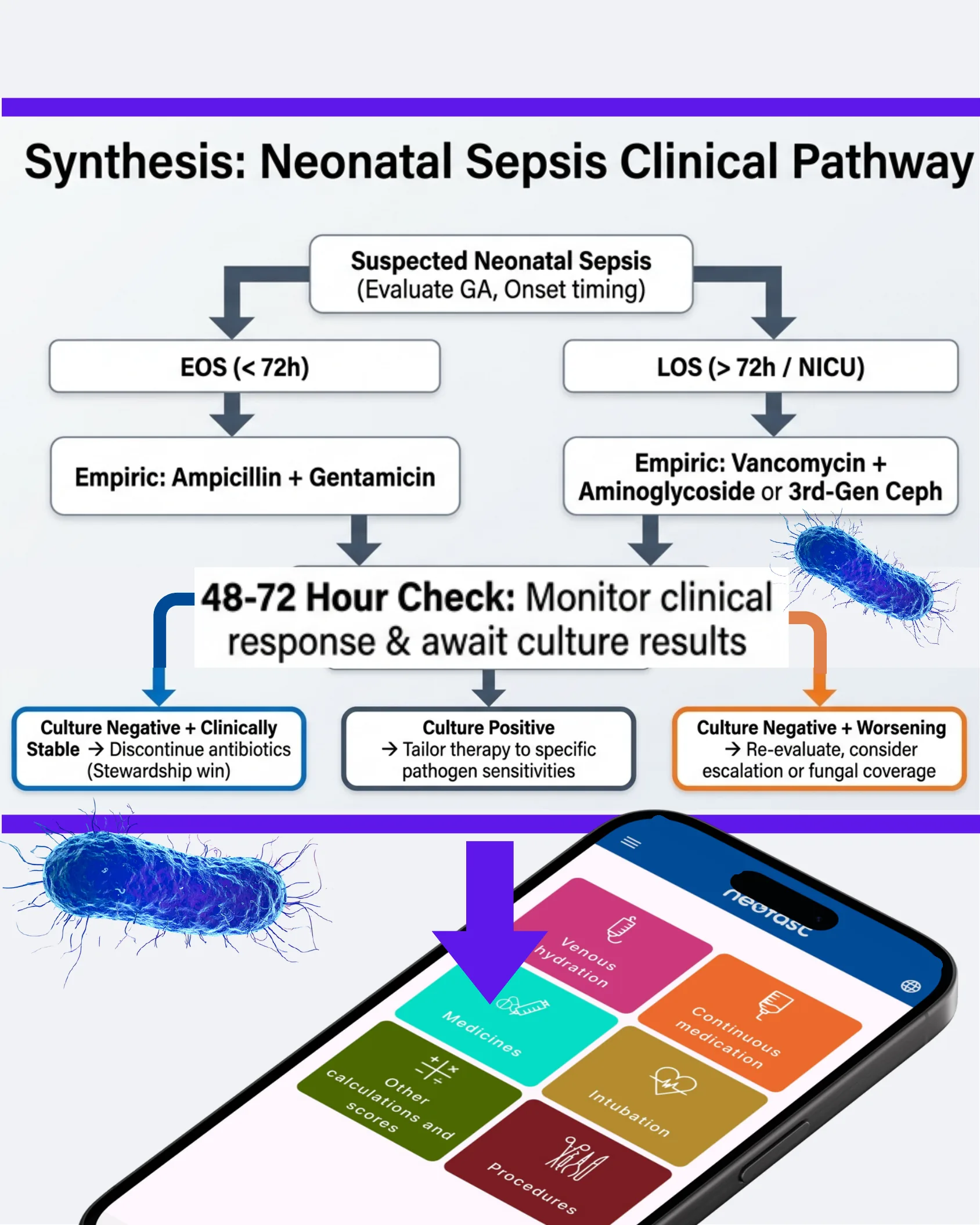
Synthesis: Neonatal Sepsis Clinical Pathway
- Suspected Neonatal Sepsis (Evaluate GA, Onset timing)
- EOS (< 72h) → Empiric: Ampicillin + Gentamicin
- LOS (> 72h / NICU) → Empiric: Vancomycin + Aminoglycoside or 3rd-Gen Ceph
- 48–72 Hour Check: Monitor clinical response & await culture results
- Culture Negative + Clinically Stable → Discontinue antibiotics (Stewardship win)
- Culture Positive → Tailor therapy to specific pathogen sensitivities
- Culture Negative + Worsening → Re-evaluate, consider escalation or fungal coverage
Featured app interface showing menu options: Venous hydration, Medicines, Continuous medication, Other calculations and scores, Intubation, Procedures.
Key Takeaways & Clinical Directives
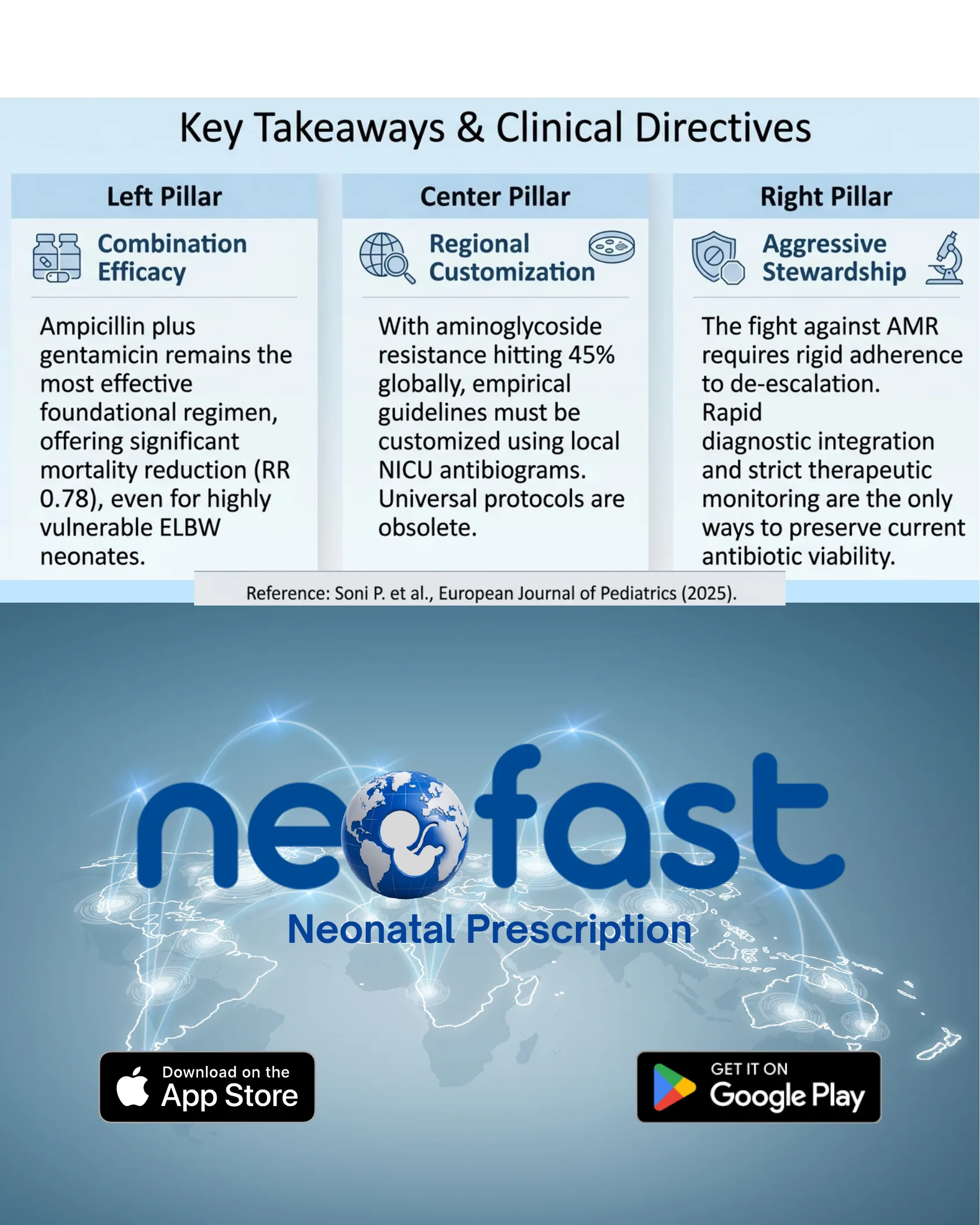
Key Takeaways & Clinical Directives
| Left Pillar | Center Pillar | Right Pillar |
|---|---|---|
| Combination Efficacy Ampicillin plus gentamicin remains the most effective foundational regimen, offering significant mortality reduction (RR 0.78), even for highly vulnerable ELBW neonates. | Regional Customization With aminoglycoside resistance hitting 45% globally, empirical guidelines must be customized using local NICU antibiograms. Universal protocols are obsolete. | Aggressive Stewardship The fight against AMR requires rigid adherence to de-escalation. Rapid diagnostic integration and strict therapeutic monitoring are the only ways to preserve current antibiotic viability. |
Reference: Soni P. et al., European Journal of Pediatrics (2025).
Neofast — Neonatal Prescription
Download on the App Store | Get it on Google Play